
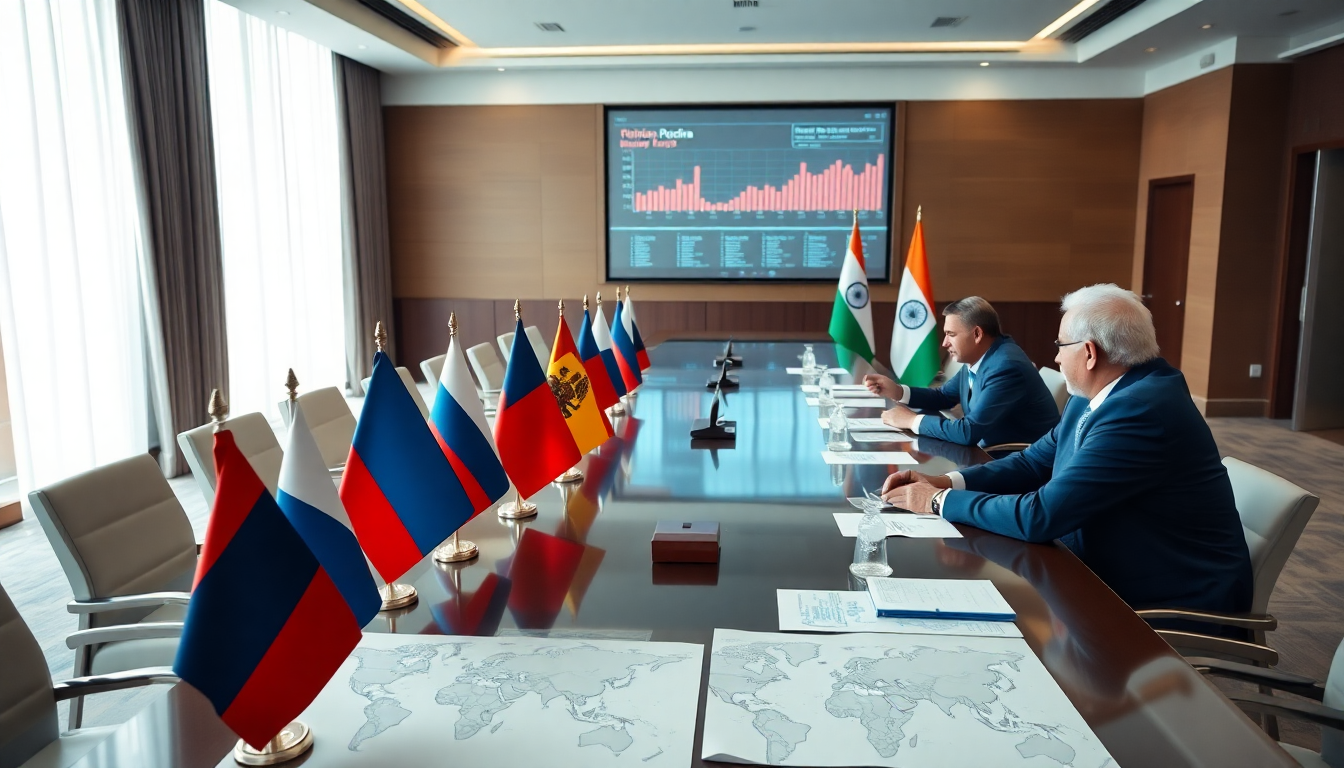
The recent summit featuring leaders Xi Jinping, Vladimir Putin, and Narendra Modi is more than just a meet-up—it’s a pivotal moment in global politics. Their united front hints at a potential shift in the balance of power that could challenge the long-standing US-led global order. As these leaders navigate their national interests, what could this mean for international relations? The implications could reach far and wide, influencing everything from trade policies to military alliances.
Analyzing the Alliance: Goals and Intentions
The gathering of Xi, Putin, and Modi isn’t just a symbolic gesture; it’s a calculated move aimed at countering Western dominance. Each leader comes with their own set of goals. For Xi, the priority is to strengthen China’s influence not only in Asia but globally, leveraging initiatives like the Belt and Road Initiative to expand economic ties. Putin, meanwhile, is focused on solidifying Russia’s standing as a major player on the world stage while finding ways to lessen the impact of Western sanctions. And Modi? He’s looking to elevate India’s status, balancing its relationships with both Russia and the West while promoting stability in the region.
As these nations work to boost their global influence, the impact on global governance is undeniable. Their unified stance may lead to a rethinking of international norms, potentially challenging institutions that many see as Western-centric, like the United Nations or NATO. This alliance could open the door for new coalitions and partnerships, painting a picture of a multipolar world where power isn’t concentrated in one area.
Implications for Global Politics and Trade
This emerging alliance raises some important questions about the future of trade and international relations. As Xi, Putin, and Modi align their strategies, we might start to see shifts in global supply chains and trade routes. Countries that have leaned heavily on Western markets could discover fresh opportunities in the East, prompting a reassessment of existing trade agreements.
And let’s not forget about military alliances. As these leaders deepen their connections, we could be on the brink of new defense partnerships that shake up the current military landscape. Imagine joint military exercises, arms trading, and intelligence sharing—this collaboration could form a powerful coalition that alters how other nations strategize.
Future Outlook: A New World Order?
Looking forward, the unity showcased by Xi, Putin, and Modi might signal the beginning of a new world order marked by heightened competition among major powers. The success of this alliance will hinge on their ability to tackle internal issues and external pressures. Their cooperation will be put to the test as they face challenges like economic disparities, regional conflicts, and domestic dissent.
In summary, the summit of these three influential leaders marks a critical turning point in global geopolitics. As they strive to redefine their roles on the world stage, the consequences of their collaboration will likely shape international relations for years to come. Keeping an eye on their actions and strategies will be crucial for understanding the shifting dynamics of global power.


