
Table of Contents
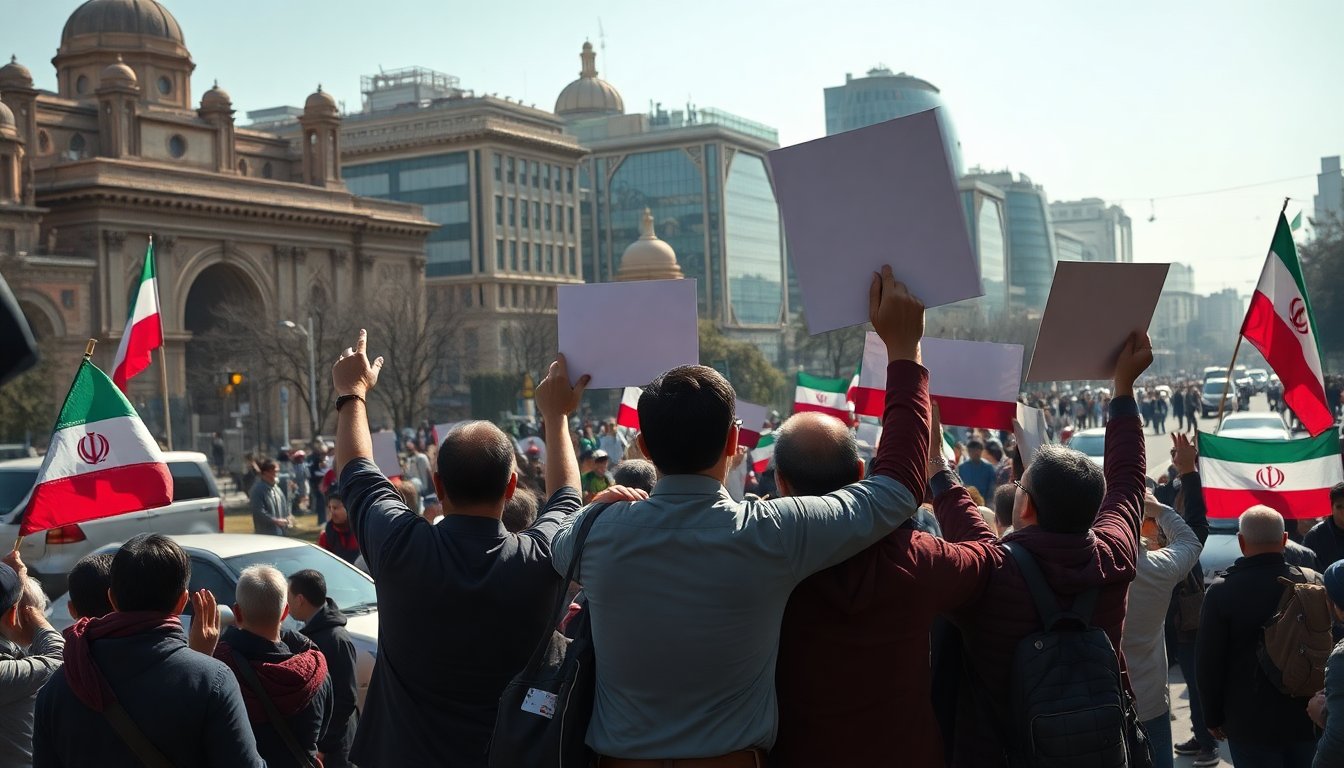
In recent weeks, Iran has witnessed widespread protests that signify one of the most substantial challenges to the clerical government since the 1979 Islamic Revolution. Initiated on December 28, these demonstrations began as a reaction to rampant inflation but quickly evolved into a broader anti-government movement. As the unrest escalates, the Iranian leadership has responded with severe crackdowns, leading to numerous arrests and reports of fatalities.
Experts assert that this surge of public discontent represents a profound shift in the political landscape of Iran. The ongoing protests highlight deep-seated grievances against the ruling clerics, who have maintained power for nearly half a century. Among the voices calling for change, Reza Pahlavi, the exiled son of Iran’s last shah, has emerged as a prominent figure, urging the international community to support the protesters in their quest for freedom.
The economic roots of discontent
The protests were initially ignited by economic turmoil, particularly soaring prices that left many Iranians struggling to afford basic necessities. The crisis was exacerbated by a catastrophic collapse of the national currency, the rial, which has plummeted to over 1.4 million IRR per US dollar due to renewed sanctions and economic mismanagement. Inflation has surged, with staples such as chicken and cooking oil becoming increasingly scarce, prompting shopkeepers to close their businesses.
Historical context of the protests
This recent wave of protests is not isolated; it builds upon a history of public unrest fueled by economic hardship and political repression. Since the Islamic Revolution, many Iranians have grown disillusioned with the ruling clerics, especially as the disparity between the elite and the general populace has widened. The unrest serves as a reminder of the tinderbox environment that exists in Iran, where each new wave of protests can ignite the embers of previous uprisings.
The role of international pressure
As the situation unfolds, international actors have begun to weigh in. Reza Pahlavi has called upon global powers to increase pressure on the Iranian regime, advocating for a coordinated response that includes economic sanctions and political support for the protesters. He claims that he is prepared to lead a transitional government if necessary, asserting that the current regime is on the brink of collapse.
Responses from the Iranian government
In contrast, Iranian authorities have reacted with hostility to both the protests and any external criticism. State media reported increasing arrests, and clerics have called for harsh penalties against demonstrators, including the death penalty for those deemed as threats to the state. This stark response underscores the regime’s determination to maintain control, even as it faces escalating public dissent.
Despite the government’s efforts to suppress the protests, the resolve of the Iranian people remains evident. Activists and ordinary citizens are risking their lives to challenge a system they view as fundamentally unjust. As the world watches, the Iranian protests serve as a potent reminder of the power of collective action and the enduring quest for freedom.
The international community’s stance
The United States has also taken a stance, with President Trump warning of severe consequences should the Iranian government continue its violent crackdown. This threat of intervention adds another layer to the already complex situation in Iran. The possible ramifications of international military involvement could either escalate tensions further or serve as a catalyst for change.
Moreover, the ongoing internet blackout has significantly hampered the flow of information, complicating the ability of international observers to assess the situation accurately. Human rights organizations have reported thousands of casualties, emphasizing the urgency for a unified international response to support the Iranian people’s aspirations.
In summary, the protests in Iran encapsulate a crucial moment in the country’s history. With economic challenges at the forefront and a growing desire for political reform, the potential for transformative change looms on the horizon. Whether the Iranian people can successfully navigate this tumultuous period remains to be seen, but their courage in the face of oppression continues to inspire hope for a better future.