
Table of Contents
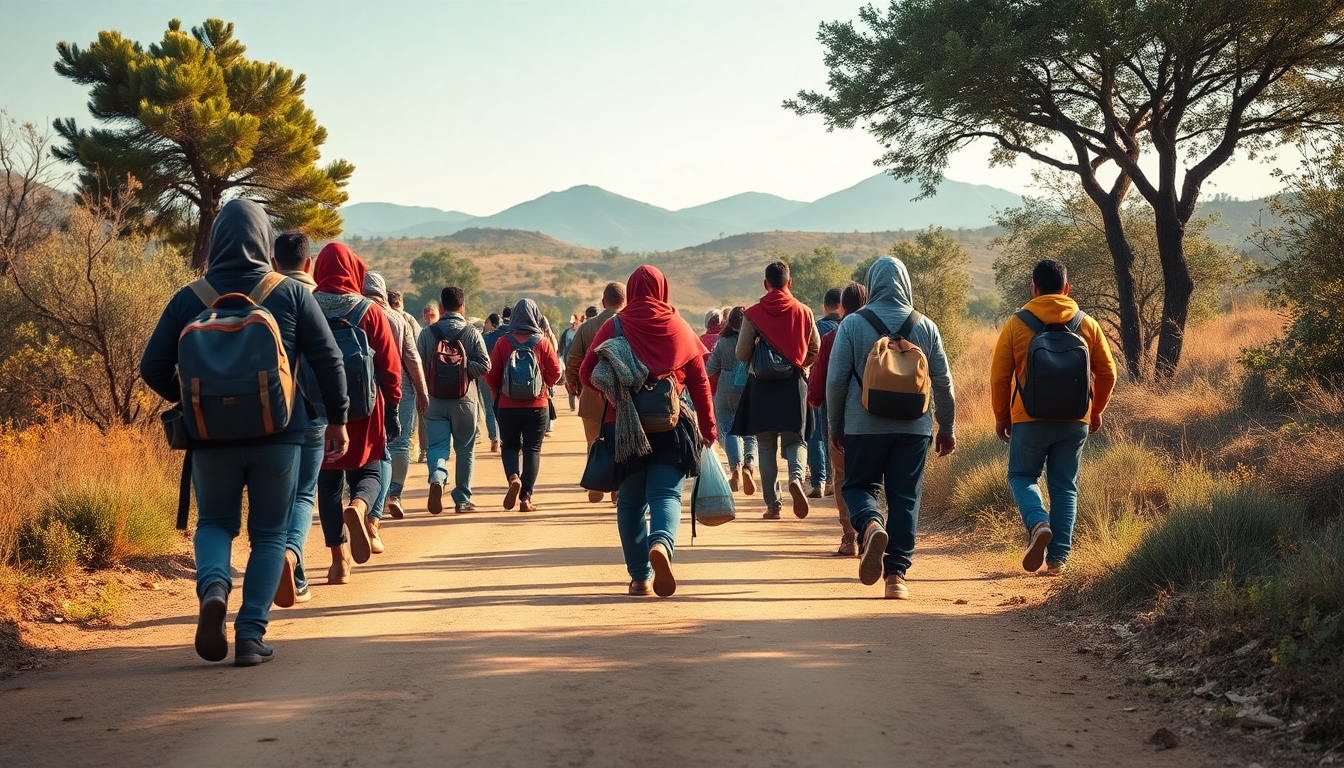
The recent migration march from Chiapas to central Mexico has highlighted the tough realities faced by migrants and asylum seekers. With nearly 300 participants embarking on this journey, the atmosphere was a mix of solidarity and concern, especially after the controversial arrest of prominent immigration activist Luis Garcia Villagran just a day earlier. This incident has ignited conversations about human rights, politics, and immigration policy in Mexico, emphasizing the urgent need for reform. But what does this mean for the future of migrants in the country?
The backdrop of the march
Starting from the border city of Tapachula, the march aimed to shine a light on the hurdles migrants face while trying to achieve legal immigration status. Long wait times for asylum applications and policies that limit the movement of undocumented migrants and asylum seekers are just a few of these challenges. This march wasn’t just a protest; it was a heartfelt call for more support and protection for these vulnerable groups.
However, the arrest of Luis Garcia Villagran loomed large over the event. Mexican President Claudia Sheinbaum described his detention as a necessary measure against human trafficking, claiming an arrest warrant had been pending for years. Still, many human rights organizations are skeptical, viewing his arrest as part of a broader attempt to silence those advocating for migrant rights. How can we expect change when advocates are being targeted?
Political implications and reactions
The fallout from Garcia Villagran’s arrest goes beyond just this protest. Activist Irineo Mujica, who has faced his own legal troubles, believes this situation serves as a political distraction, pulling attention away from deeper issues within the Mexican government. He argues that instead of criminalizing advocates, the focus should be on creating legal pathways for migrants. Isn’t it time to prioritize human rights over politics?
As the march unfolded, a palpable sense of fear gripped the participants. Messages circulated urging caution and discretion, reflecting the growing insecurity among migrants. They face not only the challenges posed by immigration policies but also the anxiety of facing legal repercussions for seeking help or standing up for their rights. How can individuals advocate for change when they fear for their safety?
Future outlook and necessary reforms
As the political landscape shifts, the need for comprehensive immigration reform in Mexico is becoming clearer than ever. The slow processing of asylum applications and restrictive policies create an atmosphere of uncertainty for migrants. Advocates argue that improving access to legal immigration pathways would protect individual rights and ease the pressures on both migrants and the government. Isn’t it time to rethink our approach to immigration?
The recent march has highlighted the urgent need to tackle these systemic issues, calling for a reevaluation of policies that limit the movement and rights of migrants. The ongoing discussions around migration in Mexico raise significant questions about human rights, political accountability, and the future of asylum seekers. As this situation evolves, engaging in constructive dialogue is vital for fostering a more just and equitable immigration system. What role will we play in shaping that future?