
Table of Contents
The ongoing conflict in Gaza has escalated dramatically, drawing widespread international condemnation and urgent calls for humanitarian intervention. As Israeli Prime Minister Benjamin Netanyahu issues stark warnings to residents of Gaza City, the United Nations human rights chief emphasizes the catastrophic impact of military actions on civilians. This article examines the current state of the conflict, its humanitarian implications, and the international responses shaping the discourse around this crisis.
The Current Situation in Gaza
Prime Minister Netanyahu has urged residents of Gaza City to evacuate immediately amid escalating military operations. The United Nations High Commissioner for Human Rights, Volker Turk, has criticized Israel’s actions, labeling them as “war crime upon war crime.” The scale of destruction inflicted upon Gaza has prompted Turk to call for accountability at the International Court of Justice (ICJ), referencing prior rulings that obligate Israel to prevent acts of genocide.
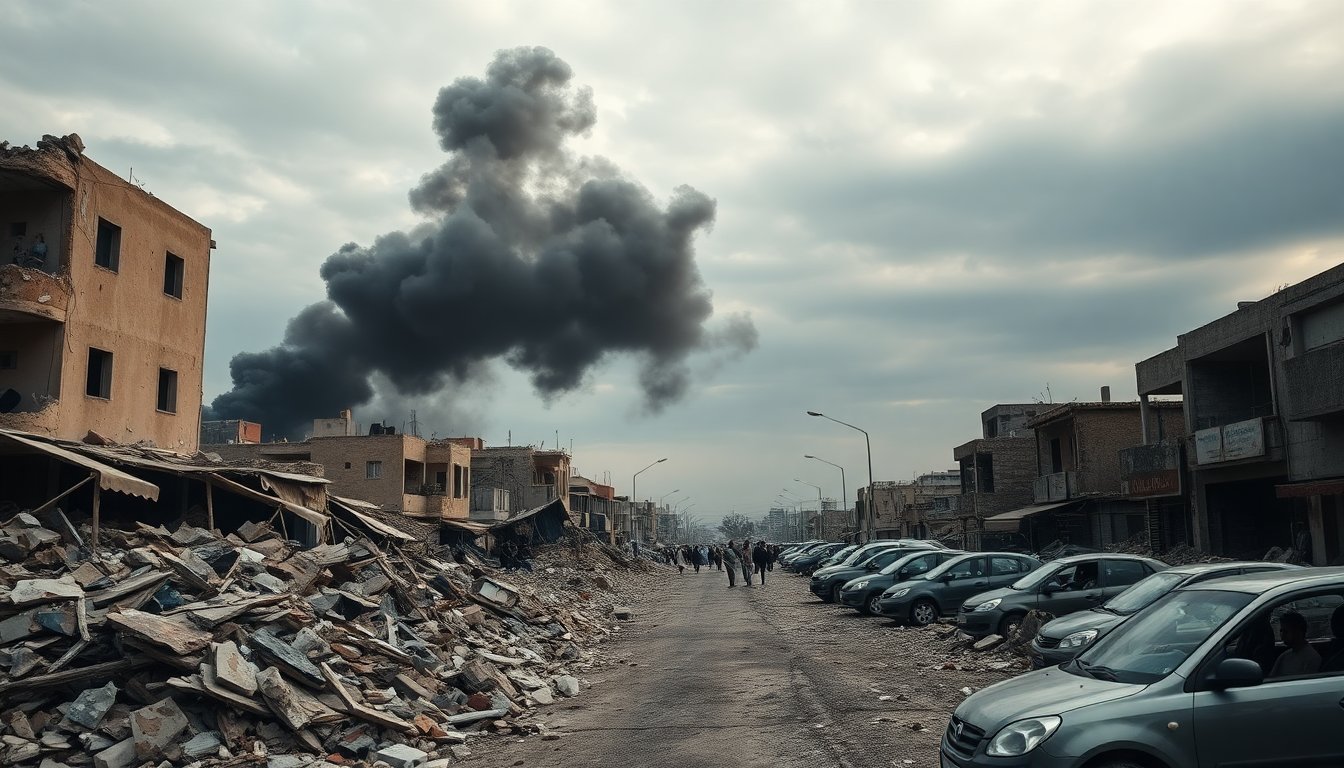
The situation on the ground remains dire. Reports indicate that Israeli airstrikes have leveled over 50 buildings in Gaza in a short period. The Palestinian Civil Defence has raised concerns about the targeting of residential areas and the destruction of vital infrastructure, further exacerbating the humanitarian crisis. As rescue teams search for survivors amid the rubble, the local population faces the loss of homes and essential services.
Humanitarian Impact and International Reactions
The humanitarian toll of the conflict is staggering. Local hospitals are overwhelmed, with reports indicating that at least 52 Palestinians lost their lives in a single day, including children suffering from malnutrition. The blockade and bombardment of aid have made the situation increasingly precarious, leaving many without access to essential resources.
International reactions have varied, with calls for increased humanitarian aid and condemnations of Israel’s military strategy. Spanish Prime Minister Pedro Sánchez has echoed concerns raised by the UN, announcing measures aimed at restricting military support to Israel while enhancing humanitarian assistance to Palestinians. These steps reflect a growing sentiment within the international community to hold Israel accountable for its actions while addressing the needs of those affected by the conflict.
The Broader Geopolitical Context
The ongoing conflict in Gaza is not merely a humanitarian crisis but also a significant geopolitical flashpoint. The involvement of various international actors, including the United States, complicates the landscape. Recent proposals for a ceasefire and negotiations have been met with skepticism by Hamas, which perceives certain conditions as attempts to undermine their position.
Additionally, the conflict has sparked violence in the occupied West Bank, illustrating the widespread ramifications of the situation in Gaza. Israeli military operations in response to attacks have led to heightened tensions and further casualties, raising concerns about a broader escalation of violence.
As the conflict progresses, it becomes increasingly critical to analyze the underlying motivations, humanitarian implications, and the potential for a diplomatic resolution. The international community’s response will play a pivotal role in shaping the future of Gaza and the broader region.