
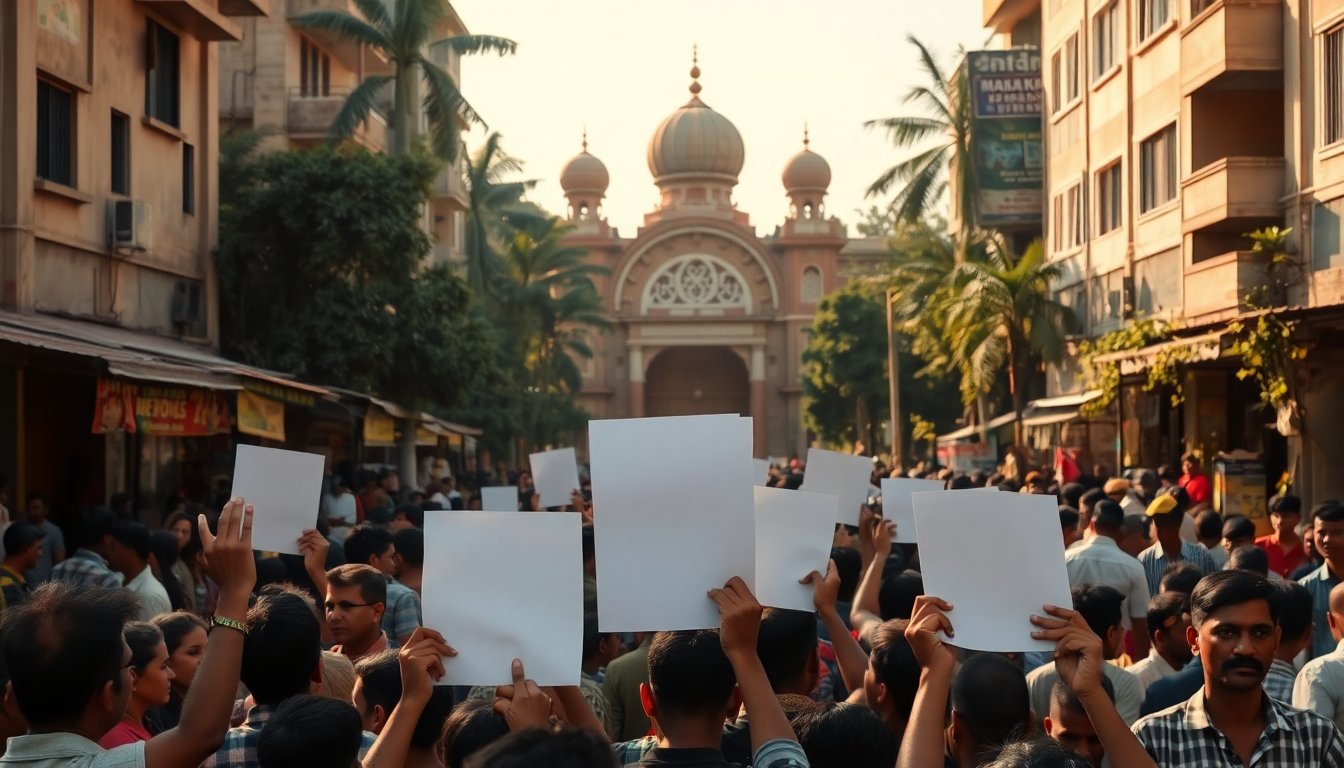
In recent months, Bangladesh has witnessed a troubling escalation of religious extremism, culminating in incidents that challenge the nation’s historical tolerance. One such incident involved the desecration of cleric Nurul Haque Molla, known for his controversial beliefs, prompting widespread outrage and concern among communities. This act highlights the growing strength of hardline Islamist factions and raises questions about the broader implications for Bangladesh’s social fabric.
Understanding the Context of Clerical Violence
On a recent Friday in Rajbari, a group of hardline Islamists stormed the shrine of Nurul Haque Molla, leading to the disinterment and burning of his body. Such desecration occurs amid a series of attacks on shrines since the political upheaval following the ouster of former Prime Minister Sheikh Hasina in August last year. The unrest has seemingly emboldened extremist groups, which increasingly target religious figures and sites deemed contrary to their beliefs.
Local authorities reported that this incident was spurred by Molla’s gravestone, which bore a resemblance to the Kaaba in Mecca, a sacred site for Muslims. These actions not only reflect the violent tendencies of these factions but also indicate a deeper ideological rift within the Muslim community in Bangladesh. Molla, often referred to as “Mad Nura,” claimed to be the Imam Mahdi, a messianic figure in Islam, complicating his legacy and public perception of his burial, which deviated from traditional Sunni practices.
Government Response and Implications for Security
In light of these events, local police have initiated a manhunt to identify those responsible for the attack. Rajbari district police superintendent Md Kamrul Islam stated, “We have started identifying the perpetrators, and none will be spared.” Such a response is crucial in a nation where the boundaries of religious practice are increasingly being tested. The government’s ability to maintain order and protect vulnerable communities is imperative as hardline groups continue to gain traction.
As violence rises, the implications extend beyond immediate security concerns. They underscore a potential shift in societal norms, where the threat of violence could deter individuals from expressing differing beliefs or honoring their traditions. This creates an environment of fear, potentially stifling the cultural richness that has long characterized Bangladesh.
Looking Ahead: The Future of Tolerance in Bangladesh
The recent events serve as a stark reminder of the challenges that lie ahead for Bangladesh. As extremist sentiments grow, fostering an environment of dialogue and understanding becomes increasingly vital. The government, along with community leaders, must work collaboratively to address the root causes of extremism, ensuring the principles of tolerance and coexistence are upheld.
Ultimately, the future of religious tolerance in Bangladesh hinges on the collective efforts of its citizens and leaders to confront these threats. Education, civic engagement, and proactive policies will be essential in countering the rise of extremism and preserving the nation’s integrity as a pluralistic society.


