
Table of Contents
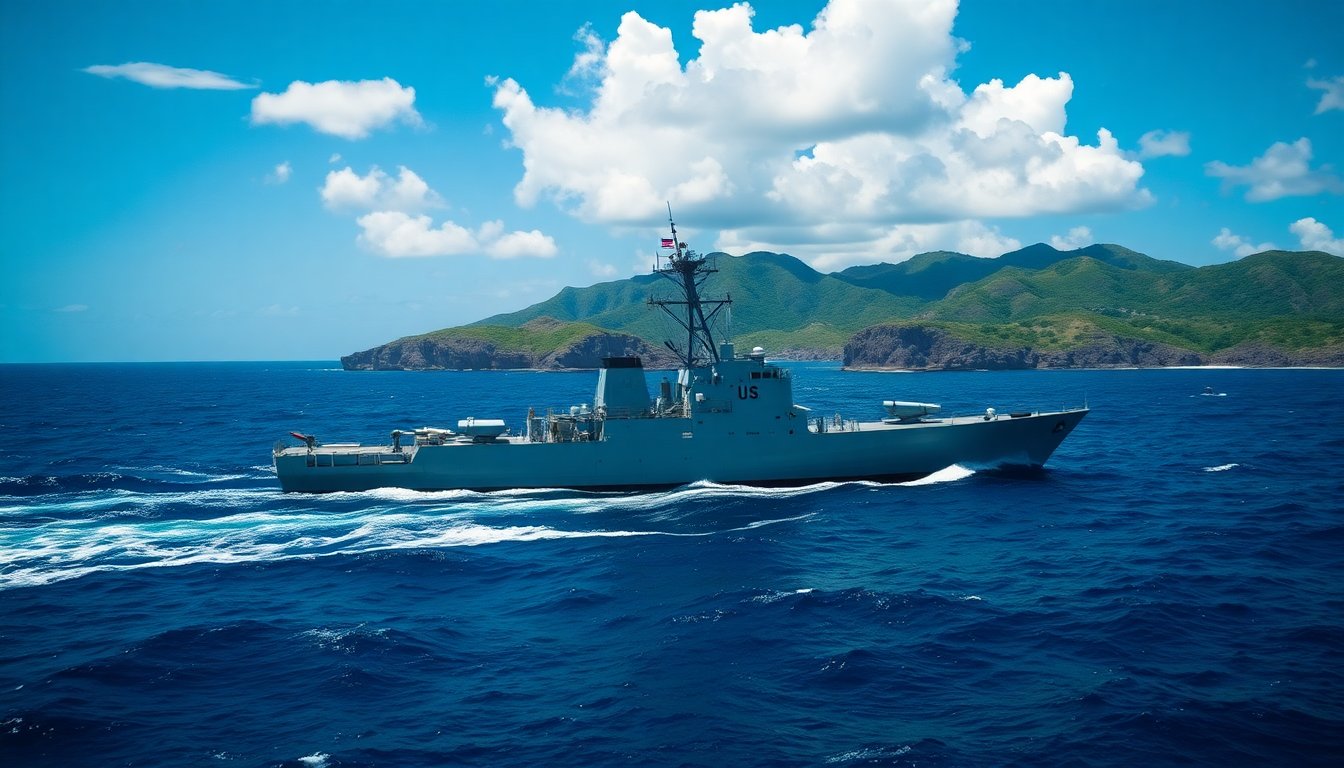
The geopolitical landscape of the Caribbean and eastern Pacific has become increasingly complex, especially with the ongoing tensions surrounding Venezuela. In recent months, the United States has escalated its military presence in these regions, raising concerns about potential conflicts. This article delves into the various military strikes and operations that have marked this period, providing a detailed analysis of their implications.
Overview of U.S. military actions
As part of a broader strategy to address political instability in Venezuela, the United States has initiated a series of military strikes in both the Caribbean and eastern Pacific. These actions are not just isolated incidents but part of a larger narrative demonstrating U.S. commitment to influencing the political climate in the region. The strikes are aimed at undermining the current administration led by President Nicolás Maduro, who has faced significant domestic and international criticism.
Strategic objectives
The primary objective of these military operations is to exert pressure on the Maduro regime, which the U.S. views as a threat to regional stability and democracy. By conducting strikes in the Caribbean, the U.S. aims to disrupt supply chains and communication networks that support the Venezuelan government. This approach is intended to weaken Maduro’s grip on power and encourage a transition towards a more democratic governance structure. The implications of these actions are profound, as they not only affect Venezuela but also have ripple effects throughout the region.
Consequences of the military strikes
The consequences of these military interventions are multifaceted. Firstly, there is a significant humanitarian aspect to consider. The ongoing conflict has led to a large number of Venezuelans fleeing their country, creating a refugee crisis that affects neighboring countries. The U.S. military strikes may exacerbate this situation, as increased violence and instability often lead to more people seeking asylum and refuge elsewhere.
International response and implications
The international community has been closely monitoring the U.S. military’s actions. Countries within the region have expressed concern over the potential for escalation into a wider conflict. Some nations have voiced support for Maduro, framing the U.S. interventions as an infringement on Venezuela’s sovereignty. This dynamic complicates diplomatic relations and may hinder efforts to find a peaceful resolution to the crisis. Additionally, the strikes may provoke a stronger response from other global powers, further complicating the geopolitical landscape.
S. military strikes in the Caribbean and eastern Pacific represent a significant chapter in the ongoing saga surrounding Venezuela. As these operations unfold, it remains to be seen how they will ultimately impact both the Venezuelan people and the broader geopolitical climate. The situation demands careful observation and analysis, given its potential to affect international relations and regional stability for years to come.