
In recent years, wildfires have been making headlines for all the wrong reasons. Have you ever stopped to think about how these fiery events affect wildlife, especially polar bears in Manitoba? With our climate changing rapidly, researchers are diving deep into understanding how these wildfires intersect with polar bear denning habitats, particularly in crucial spots like Wapusk National Park. Let’s explore some eye-opening findings from current research, the implications for the survival of polar bears, and what this means for our ecosystem as a whole.
Wildfires and Climate Change: A Growing Concern
As the planet heats up, there’s a troubling trend emerging: the subarctic regions are drying out, which is ramping up the likelihood of wildfires. Stephen Peterson, the director of conservation and research at Assiniboine Park Conservancy, underscores this urgency with a stark reminder: “We have a warming climate, we have the subarctic drying out, and that’s increasing fire risk.” The link between rising temperatures and increased fire hazards is becoming crystal clear, highlighting the pressing need for proactive measures to protect vulnerable wildlife.
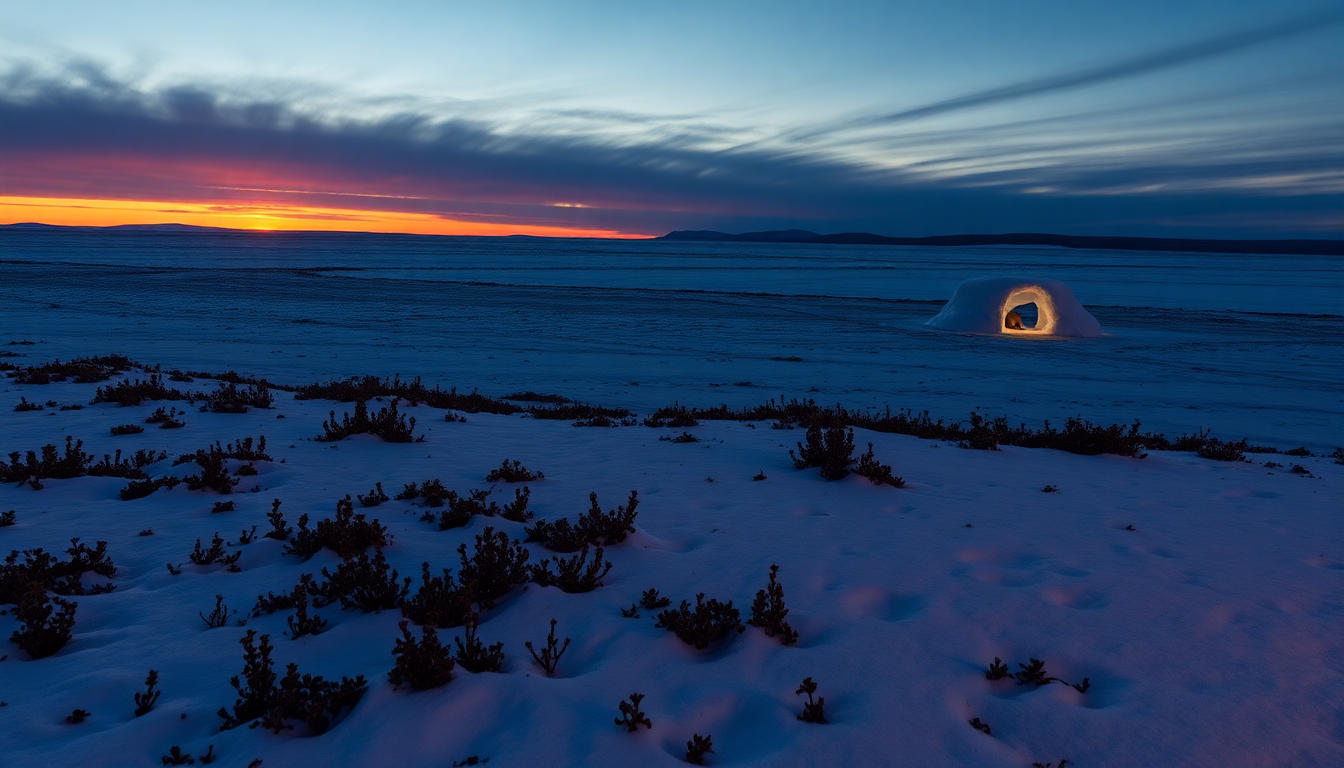
Now, let’s talk about Wapusk National Park. This area is a crucial denning ground for polar bears, and it’s currently at risk from encroaching wildfires. The boreal forest, which plays a vital role in providing the right conditions for polar bear dens, is threatened as these fires consume the trees and peat that create ideal habitats. Peterson’s research is zeroing in on where the fire risks overlap with polar bear denning areas, showing us just how important it is to implement effective management strategies to protect these habitats.
The Current State of Polar Bear Denning Habitats
According to the province’s FireView map, there’s a wildfire currently blazing within Wapusk National Park. This alarming news begs the question: what does the future hold for polar bear populations in this area? Peterson notes that while the western Hudson Bay polar bear population has been relatively stable in the past, recent trends are showing a worrying decline. “As those fewer bears are looking for places to den, we want those denning places to be intact,” he emphasizes.
The impact of wildfires on polar bear denning habitats is still largely unexplored territory. Some bears might adapt by searching for new denning sites, but others could tire themselves out trying to return to familiar spots that have been damaged by fire. This uncertainty complicates conservation efforts, as researchers work to grasp the long-term effects of wildfires on polar bear survival. Isn’t it fascinating—and a bit daunting—how nature’s patterns can shift so dramatically?
Broader Ecological Implications
Wildfires don’t just threaten polar bears; they also pose serious risks to other northern wildlife, such as caribou. Justina Rayes, president and senior scientist with the Wildlife Conservation Society Canada, highlights that caribou, which depend on expansive older forests for calving, are also feeling the heat from these disturbances. The intensity and scale of wildfires can disrupt their calving grounds, making it even tougher for newborn calves to survive. It raises the question: how far-reaching are the consequences of these wildfires?
Moreover, the cumulative effects of wildfires can lead to severe ecological ramifications. Wildlife has coexisted with fire throughout history, but the scale and intensity we’re witnessing today are unprecedented. “When it’s this intense, this much expansive land being affected, then it really becomes too much,” Rayes warns, stressing the urgent need for thorough assessments and mitigation strategies.
As we look ahead, the intersection of climate change, wildfire intensity, and wildlife conservation will become an increasingly critical area of focus. Understanding how these elements intertwine is essential for developing effective strategies to protect not just polar bears, but the entire ecosystem at risk. So, what can we do to help? The answers may lie in how we approach conservation and climate action together.


