
Table of Contents
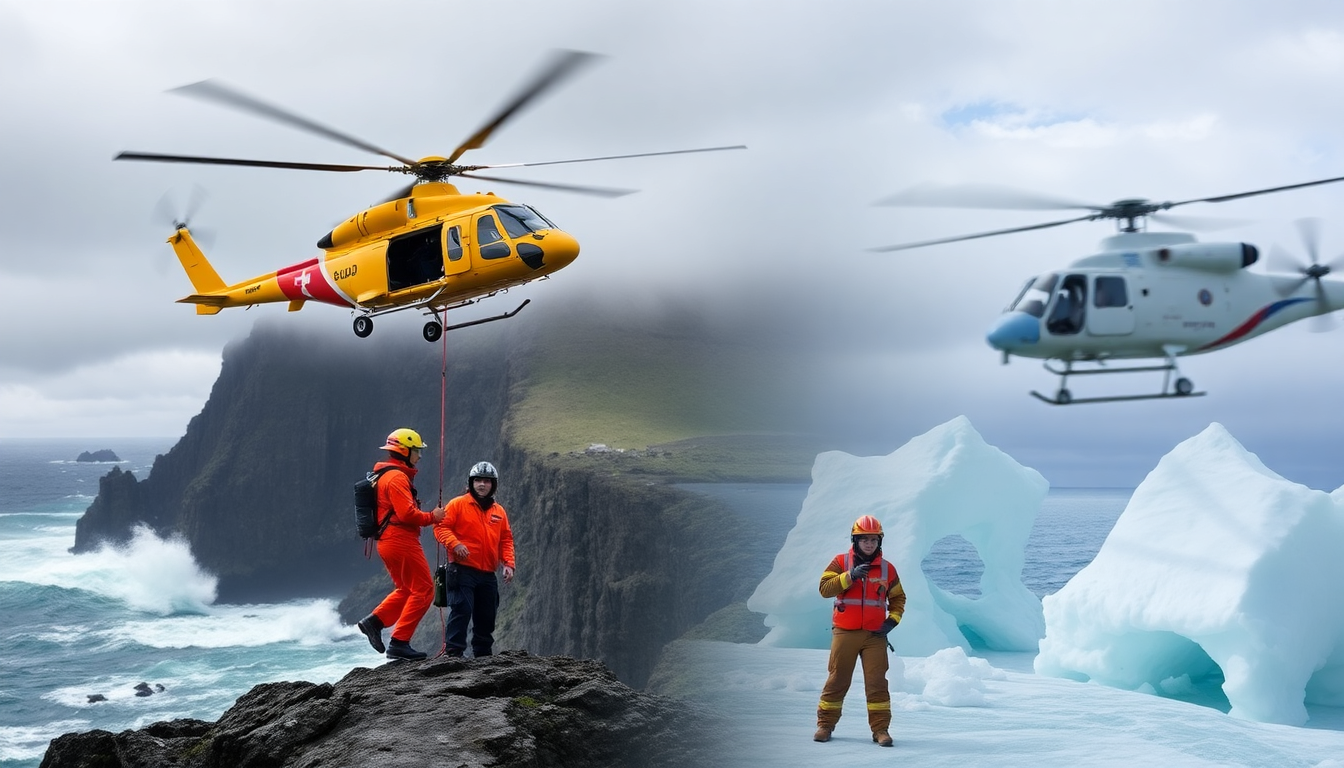
Recently, we’ve witnessed two incredible rescue missions that really highlight the bravery and skill of emergency responders working in tough conditions. First, the U.S. Coast Guard swooped in to rescue two teenagers and a firefighter stranded on a rugged cliff in Oregon. Meanwhile, New Zealand’s air force was busy with a nearly 20-hour medical evacuation of three American researchers stuck in Antarctica. Both of these operations remind us just how complex and dangerous rescue missions can be when faced with unpredictable weather and challenging terrains.
The Oregon Rescue Operation
On July 5, 2025, the U.S. Coast Guard was called into action near Roads End Point in Oregon. Imagine being two teenagers and a firefighter trapped on a rocky cliff, with no safe way down. That’s exactly what happened, and the Coast Guard had to act fast. They deployed a helicopter, sending highly skilled pilots and rescue personnel into the fray, working under immense pressure to bring everyone to safety. This operation is a prime example of how critical quick thinking and precise execution are in emergency situations, especially when dealing with tricky terrains.
This incident is a stark reminder of the risks that come with outdoor adventures, particularly in hazardous areas. It drives home the point that being well-prepared and aware of your surroundings can make all the difference. The Coast Guard’s quick actions didn’t just save lives—they reinforced the importance of training and readiness for both responders and those in perilous situations.
New Zealand’s Antarctic Medical Evacuation
On a different front, New Zealand’s air force undertook a challenging medical evacuation mission involving three U.S. researchers from McMurdo Station in Antarctica. The operation kicked off after the U.S. National Science Foundation recognized that these researchers needed urgent medical treatment that simply couldn’t be provided on-site due to the extreme and isolated conditions. Air force officials described this mission as high-risk, requiring careful planning and execution in freezing temperatures and total darkness.
Air Commodore Andy Scott, who led the operation, discussed the unique challenges that come with conducting flights in Antarctica during the winter months. The team had to closely monitor the weather and make sure the icy runway was safe for landing. What makes this mission even more critical is that there were no alternate airfields available once the aircraft headed south. This meticulous planning showcases the dedication and expertise of the responders tackling such demanding missions.
The Significance of Coordination and Expertise
Both of these rescue operations shine a light on how vital it is for different agencies to work together and have skilled personnel ready to jump into action. In the case of New Zealand’s air force, they brought along a medical team to provide in-flight care for the evacuated researchers, ensuring their health was the top priority throughout the mission. The successful completion of these operations didn’t just save lives; they also highlighted the extraordinary abilities of emergency responders operating in some of the planet’s most harsh environments.
These missions reflect the changing landscape of emergency response, where technology and training play crucial roles in improving safety and efficiency. Given the ongoing impacts of climate change, the ability to adapt and respond effectively is going to be essential for future operations. The recognition received by the New Zealand air force from U.S. officials underscores the importance of international cooperation when tackling such formidable challenges.