
Table of Contents
Joko Anwar’s ghost in the cell: a horror-comedy with a message
Joko Anwar’s latest film,Ghost in the Cell, masterfully blends the supernatural with incisive social commentary. Set within the confines of an Indonesian prison, this film stands out as both a captivatinghorror-comedyand a serious critique of systemic corruption and environmental issues. Anwar’s unique approach redefines the horror genre, transforming traditional elements into instruments of political dialogue.
Unveiling the chilling narrative
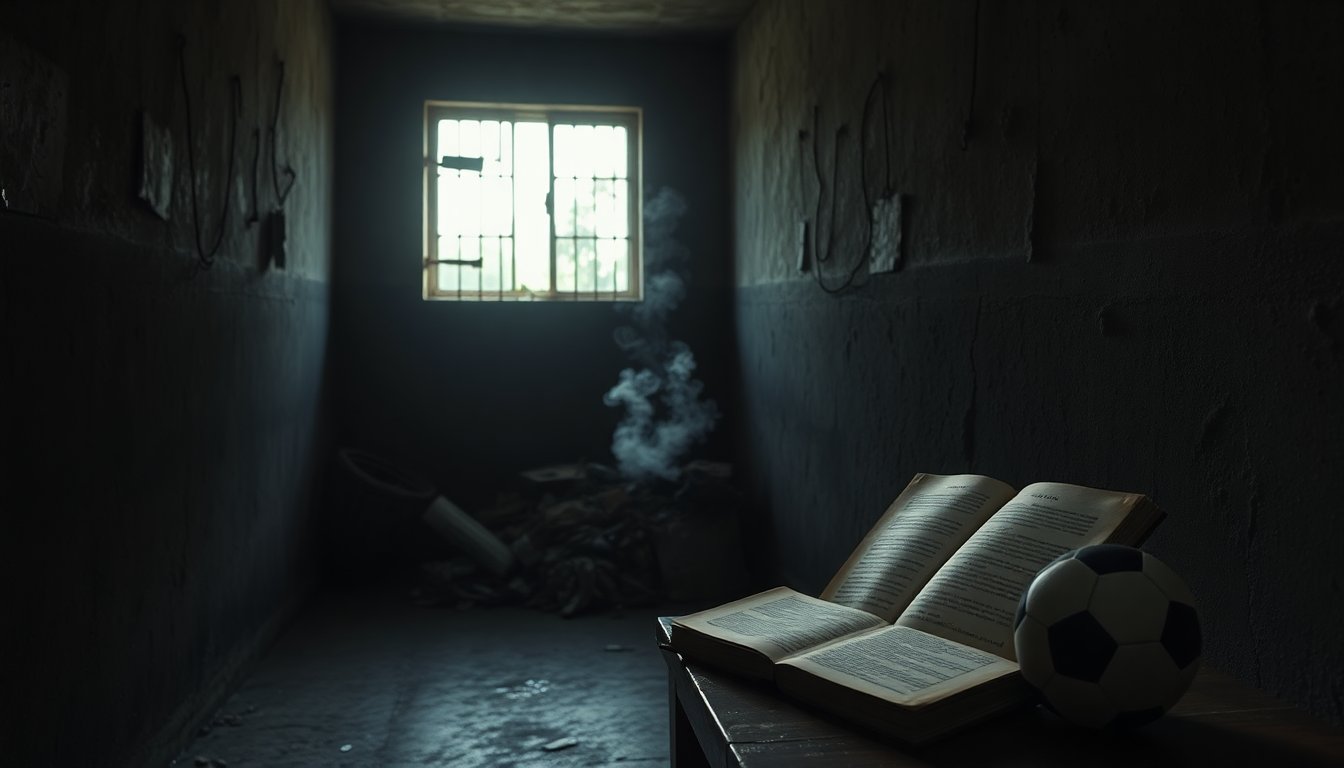
The plot ofGhost in the Cellcenters on a group of inmates whose established order is disrupted by the arrival of a new prisoner. This newcomer is not an ordinary inmate; he comes with avengeful spiritthat specifically targets those with the darkest intentions. As the story progresses, the body count begins to rise, intensifying the atmosphere within the prison walls. The film effectively demonstrates that, in order to survive, the prisoners must unite and confront their fears collectively.
A reflection of society
According to Anwar, the prison setting serves as a microcosm of society’s broader struggles. He notes that “A prison encapsulates the essence of our social structure, reflecting hierarchies, power dynamics, and moral dilemmas all compressed into a confined environment.” This perspective allows audiences to observe how justice can be unevenly distributed, leading to severe consequences for some while others evade responsibility.
Supernatural elements as active agents
One of the most compelling aspects ofGhost in the Cellis its portrayal of the supernatural. The ghost in this narrative serves a clear purpose and operates with intelligence. Anwar asserts, “The ghost is crafted from trauma and injustice, choosing its victims based on their moral failures.” This perspective elevates the ghost from a mere plot device to a character that encapsulates the film’s core themes of accountability and consequence. By doing so, Anwar invites viewers to consider the ethical implications of their actions in a society where justice is often skewed.
Balancing tones of horror and humor
The challenge of balancing horror and humor is pivotal to the film’s Director Anwar emphasizes that the humor serves to heighten, rather than alleviate, tension. “When the audience laughs, it should be accompanied by a sense of discomfort,” he states. This duality encourages viewers to critically reflect on the absurdity of the situations presented, prompting them to examine their own reactions and the societal norms depicted in the narrative.
Aiming for global recognition
Premiering at the prestigious Berlinale Forum,Ghost in the Cellaims to transcend entertainment, presenting art that challenges its audience. Director Anwar hopes international viewers will find the film’s themes unsettlingly familiar, encouraging contemplation of the structures that sustain corruption and environmental degradation. “I want the audience to ponder who the system truly protects,” he states, highlighting that the film’s critical perspective on societal norms is its most significant feature.
The partnership between Anwar and producer Tia Hasibuan, under their production company, Come and See Pictures, represents a crucial milestone in their mission to create narratives that resonate universally. With a talented ensemble cast, including notable Indonesian actors Abimana Aryasatya and Bront Palarae, the film is set to engage both local and international audiences.
Ghost in the Cellexemplifies Joko Anwar’s ability to intertwinegenre storytellingwith significant social issues. By effectively using elements of horror and humor, the film not only entertains but also encourages viewers to confront the uncomfortable truths of their realities. As it arrives in theaters, it is poised to resonate with audiences across the globe.