
Table of Contents
The facts
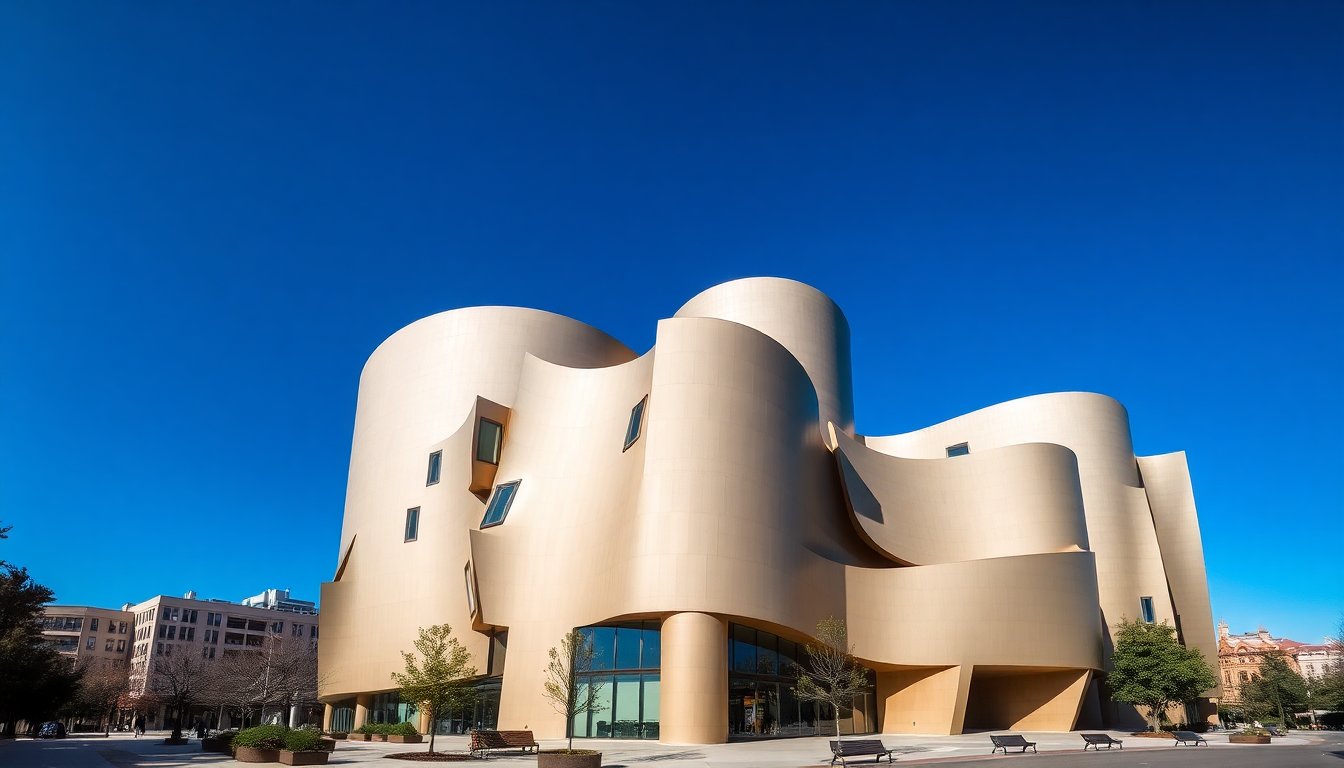
Frank Gehry is an architect known for his innovative and unconventional designs. His work has significantly influenced modern architecture, sparking discussions about both aesthetics and functionality. Gehry’s creations are often polarizing, provoking strong reactions from critics and admirers alike.
Impact on architecture
Gehry has consistently challenged traditional architectural norms. His designs invite a reevaluation of how we interact with our environments. By prioritizing creativity, Gehry’s work encourages a deeper appreciation for architecture as a vital aspect of our lives.
Looking forward
This exploration of Gehry’s influence highlights the ongoing inspiration his designs provide. They serve as a catalyst for future generations to rethink architectural possibilities and foster innovation in the built environment.
Redefining architectural norms
Frank Gehry’s work significantly transforms architectural standards. His buildings, notably the Guggenheim Museum in Bilbao, Spain, blend playfulness with sophistication. By using materials such as titanium and glass, Gehry crafts structures that interact dynamically with light and form. This innovative approach not only enhances the visual experience but also expands the possibilities of architectural design.
Gehry’s philosophy centers on *creativity*. He urges emerging architects to embrace their unique styles and break free from traditional constraints. His designs often incorporate unexpected shapes, resulting in engaging spaces that invite exploration. A prime example is the Walt Disney Concert Hall in Los Angeles, which illustrates how Gehry’s unconventional vision fosters immersive experiences for visitors.
Influencing the next generation
Frank Gehry’s impact is significant among young architects and designers eager to innovate. His unique ability to blend art and architecture encourages a new generation to question traditional norms. Many emerging professionals identify Gehry as a key influence, aiming to create spaces that reflect personal stories and cultural narratives.
Furthermore, Gehry’s dedication to sustainability and community involvement establishes a benchmark for responsible architecture. He stresses the necessity of designing structures that are not only visually impressive but also meet community needs. This philosophy resonates with modern architects focused on creating spaces that promote social interaction and environmental responsibility.
The emotional connection to architecture
Architect Frank Gehry’s legacy significantly lies in his ability to evoke emotions through his architectural designs. His structures often provoke strong reactions, whether they are feelings of admiration or criticism. This highlights the emotional connection individuals develop with their environments. Gehry’s work encourages personal engagement with architecture, fostering a sense of belonging and identity in the spaces we inhabit.
The impact of architecture on our well-being is profound. Gehry’s buildings often serve as cultural landmarks that unite communities, acting as centers for social interaction and artistic expression. His designs prompt reflection on how our built environment shapes our daily lives and emotional well-being.
The role of public spaces
Public spaces play a crucial role in urban environments, particularly through the innovative designs of architect Frank Gehry. His work encourages interaction and engagement, making these areas essential for community building. Gehry incorporates elements that invite exploration and participation, fostering connections among individuals.
Reflecting on Gehry’s contributions highlights the significance of his visionary approach. His legacy challenges architects and designers to create spaces that promote emotional connections, sustainability, and community involvement. Gehry’s influence continues to inspire architects, artists, and the public to pursue excellence in design and to deepen their understanding of the spaces they inhabit.
The legacy of Frank Gehry in architecture
Frank Gehry has significantly influenced architecture through his innovative designs. His work has reshaped how we perceive the built environment. Gehry’s approach encourages a deeper understanding of the emotional connections we have with our surroundings.
Gehry’s philosophy emphasizes creativity and thoughtful design. His contributions invite architects and designers to push boundaries and explore new possibilities. As the architectural field evolves, embracing these principles remains crucial for future developments.