
Table of Contents
In the realm of sports, few nations exhibit the same fervor for girls soccer as North Korea. Known for its strict regime and unique cultural practices, the country has turned soccer into a point of national pride. Through a rigorous training program for young female athletes, North Korea aims not only to excel on the field but also to showcase its prowess on an international scale.
The commitment to dominating girls soccer stems from a belief that other nations are unlikely to subject their young athletes to the same level of demanding training. By focusing on talent development from an early age, North Korea seeks to cultivate a generation of players capable of fierce competition on the world stage.
The systematic approach to training
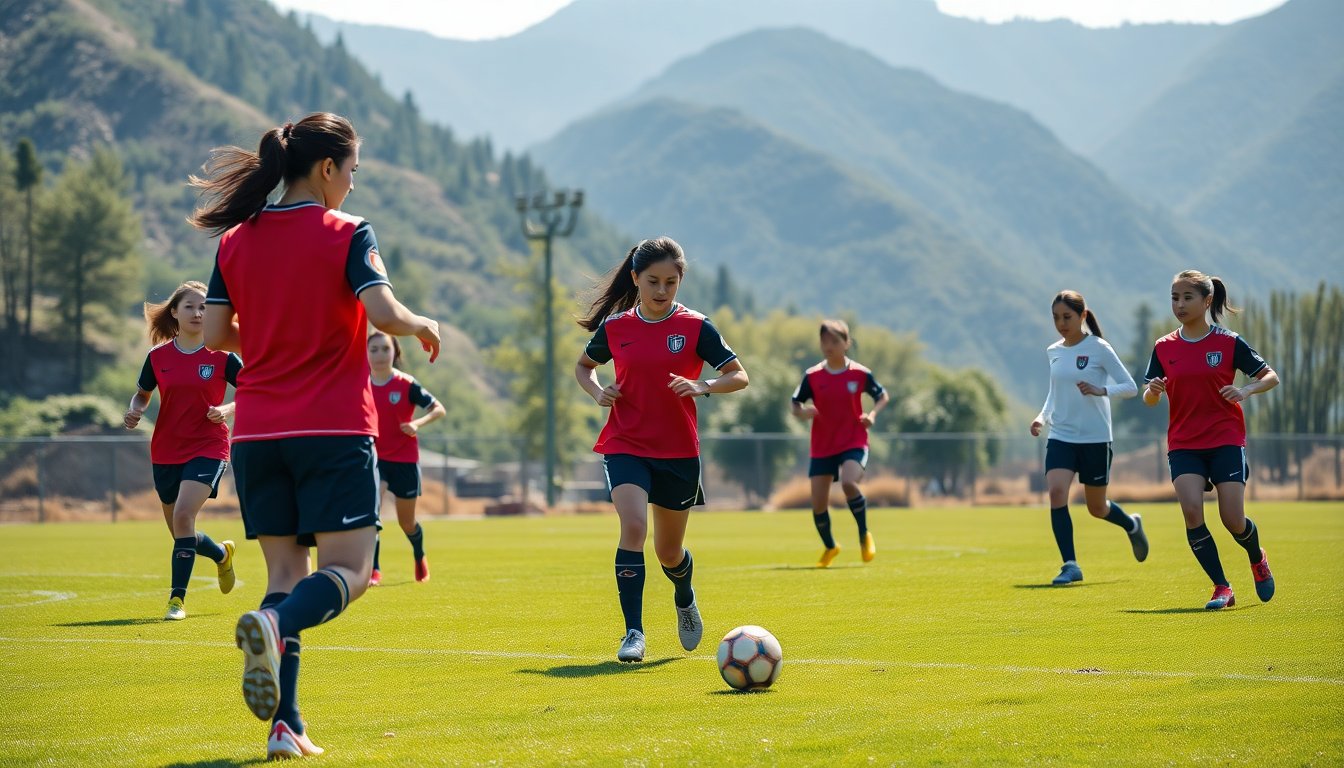
North Korea’s training program for girls soccer is marked by a systematic and disciplined methodology. Young girls are often identified at an early age and placed into specialized training camps, where they undergo intense physical and tactical exercises. This approach not only prepares them for competitions but also reflects a broader strategy to cultivate a sports culture aligned with the nation’s goals.
Rigor and dedication
The training regimen is extensive, with practices lasting several hours each day. Coaches emphasize physical fitness alongside technical skills, including ball control, tactical awareness, and teamwork. The competitive training environment fosters a sense of determination and resilience that is essential for success.
Moreover, the government’s involvement in sports extends beyond encouragement; it actively invests in facilities and resources to ensure that athletes have everything they need to thrive. The focus on creating an elite class of female soccer players is viewed as a means to compete with and outperform international teams.
The impact on international competitions
North Korea’s investment in girls soccer is beginning to yield results on the international scene. The national team has participated in various tournaments, with players gaining recognition for their skills and tactical understanding of the game. These achievements not only boost national pride but also serve as propaganda tools for the regime, highlighting the country’s potential.
Building a legacy
As these young athletes make their mark, they are often compared to their male counterparts, underscoring North Korea’s potential to become a formidable force in women’s soccer. The narrative surrounding their success is carefully crafted by state media, emphasizing the dedication and discipline required to reach such heights.
In addition to competition outcomes, the training program instills values of hard work and perseverance in the athletes, viewed as essential traits for fostering a strong national identity. The hope is that these young women will not only excel in soccer but also serve as role models for future generations.
Challenges ahead
Despite the structured approach to training and the growing success of North Korean girls soccer, challenges remain. The international community’s perception of North Korea can overshadow athletes’ achievements. Additionally, rigorous training and high expectations can place immense pressure on young players, raising concerns about their mental and physical well-being.
Furthermore, the geopolitical climate can impact participation in international competitions, limiting opportunities for these athletes to showcase their talents globally. As the world watches, North Korea must navigate these obstacles while continuing to nurture its young soccer players.
The commitment to dominating girls soccer stems from a belief that other nations are unlikely to subject their young athletes to the same level of demanding training. By focusing on talent development from an early age, North Korea seeks to cultivate a generation of players capable of fierce competition on the world stage.0