
Table of Contents
The exhibition of surrealism at the Whitney Museum of American Art aims to reinterpret art history but falls short of its ambitious goals. While the museum intended to engage visitors with a deep exploration of surrealism, the outcome resembles a collection of disparate pieces rather than a cohesive narrative. This presentation often confuses attendees instead of enlightening them about the complexities of the surrealist movement.
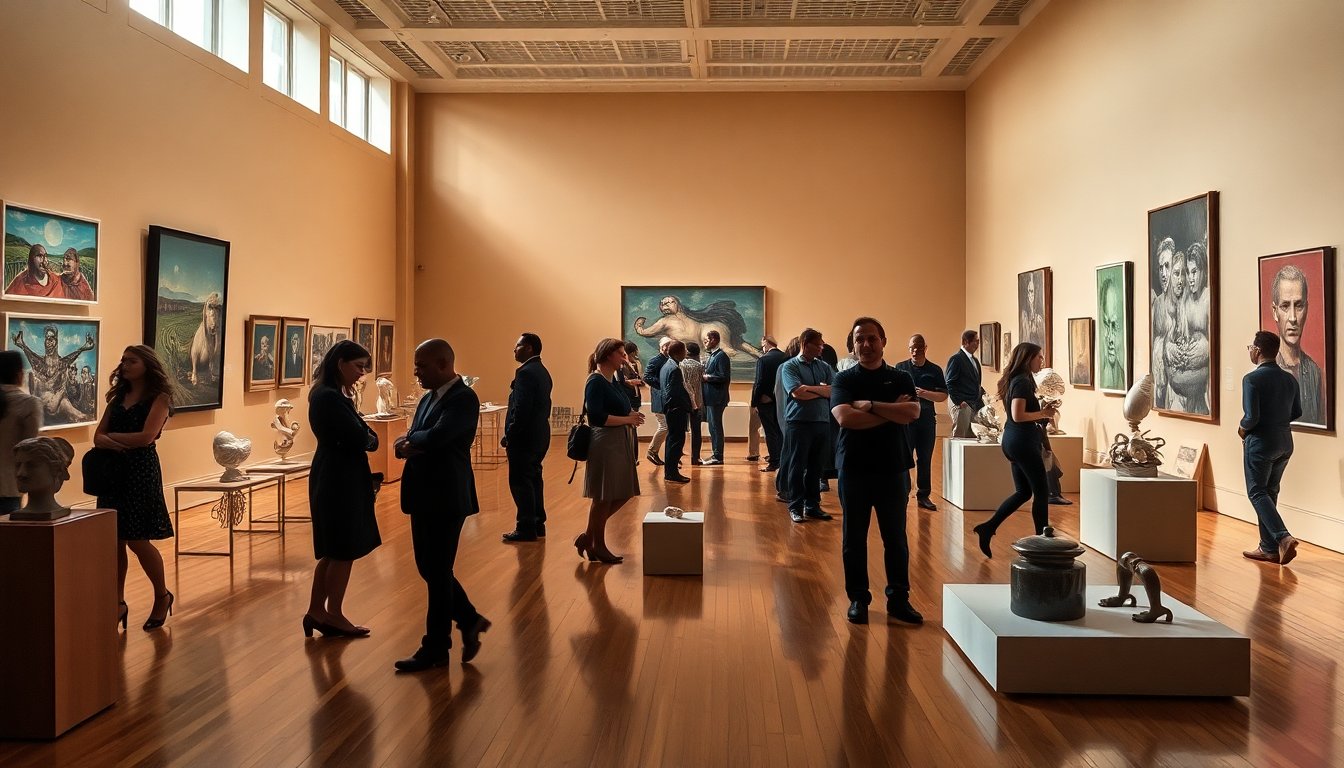
Upon entering the gallery, visitors encounter a dizzying array of artworks that seem to stand alone rather than coming together to tell a story. The curatorial vision lacks a unifying theme, making it difficult for viewers to navigate the intricate landscape of surrealist thought and expression. This disjointedness undermines the potential for a deeper understanding of the genre.
Fragmented themes and disjointed narratives
A significant issue with the exhibition is its fragmented thematic structure. Surrealism is renowned for its layered dream-like imagery and psychological depth. However, the Whitney’s collection often feels like a grab bag of various styles and periods, which dilutes the impact of the displayed works. Instead of providing a fluid journey through surrealism’s rich history, attendees are left to navigate a maze without guidance.
For example, one room may feature the whimsical nature of Salvador Dalí, while another abruptly shifts to the stark, haunting imagery of René Magritte. This transition can be jarring. The distinct voices of these artists, each contributing uniquely to the surrealist narrative, end up competing instead of collaborating, leaving visitors uncertain about how to engage with the pieces.
The challenge of connecting with surrealism
Visitors typically seek emotional and intellectual connections with artwork. However, the disjointed presentation in the Whitney’s surrealism exhibition complicates this process. The purpose of surrealism is to explore the subconscious and challenge rational thought through art, yet the exhibition fails to facilitate such exploration. The lack of contextual information accompanying the pieces further hinders understanding, forcing guests to grapple with their interpretations alone.
Additionally, some artworks that could resonate personally are overshadowed by the chaotic presentation. Instead of inspiring awe or contemplation, the disarray leads to confusion, leaving many attendees without a sense of fulfillment or insight.
A missed opportunity for education and engagement
Art exhibitions have the potential to educate and engage audiences, allowing them to explore artistic movements and their implications. Unfortunately, the Whitney Museum’s surrealism exhibit misses this opportunity. Educational programming and thoughtfully curated materials can enhance the experience, but these elements appear to be an afterthought.
The absence of guided tours or informative panels means visitors navigate the exhibition without sufficient context. Surrealism, with its reliance on historical and psychological references, requires background knowledge for full appreciation. Without this, many attendees may leave feeling more puzzled than enlightened.
Potential for improvement
Despite the current exhibition’s shortcomings, there is potential for the Whitney Museum to enhance future shows. By rethinking the organization and presentation of surrealist works, the museum could create a more compelling narrative that allows viewers to appreciate the depth and complexity of this influential movement.
Incorporating thematic groupings, providing educational resources, and facilitating discussions could transform the exhibition into a truly enriching experience. Surrealism is not merely a collection of bizarre images; it represents a profound exploration of the human psyche and the subconscious. The Whitney Museum has the opportunity to reflect this depth and offer visitors meaningful engagement with art that challenges perception and provokes thought.
Upon entering the gallery, visitors encounter a dizzying array of artworks that seem to stand alone rather than coming together to tell a story. The curatorial vision lacks a unifying theme, making it difficult for viewers to navigate the intricate landscape of surrealist thought and expression. This disjointedness undermines the potential for a deeper understanding of the genre.0