
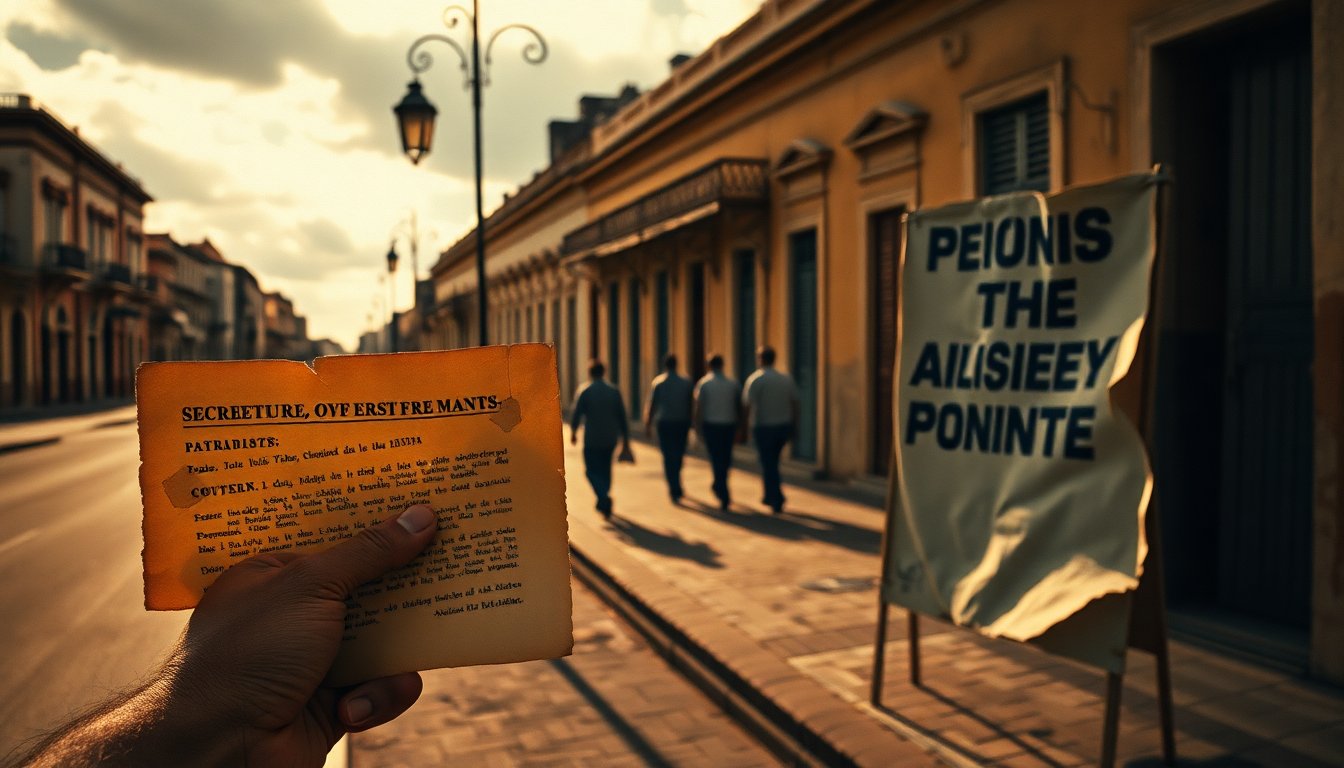
In the realm of cinema, few films manage to combine political intrigue with gripping storytelling as effectively as The Secret Agent. Directed by Brazilian filmmaker Kleber Mendonça Filho, this film transcends the conventional thriller genre; it serves as a poignant reflection on a tumultuous period in Brazil’s history. Set against the backdrop of the late 1970s, during the military dictatorship, the film intricately weaves together the personal struggles of its characters with the broader societal issues of corruption and fear.
At the center of this cinematic exploration is Armando, played by Wagner Moura, recognized for his outstanding performances in prior roles. Moura’s character, a widowed professor, confronts the persistent threat of violence as he navigates an oppressive regime. The film reveals his journey through a series of flashbacks and present-day investigations, effectively capturing the essence of his perilous existence.
Exploring the narrative layers
The narrative of The Secret Agent unfolds across multiple timelines, weaving a complex tapestry of events that keeps the audience engaged. The film begins during the vibrant Carnival season in Recife, where Armando arrives under the alias Marcelo, bringing only a small box of belongings. This setting starkly contrasts with the underlying tension that permeates society, as political refugees interact amid the festivities.
In the film, Armando’s journey unfolds as he navigates his new environment, encountering a variety of characters, each with their own stories. Among them is Claudia, a single mother concealing a troubled past, and Thereza Vitória, a survivor of the Angolan Civil War. The narrative effectively highlights the intricate relationships among these individuals, emphasizing their shared struggles in a society governed by fear and secrecy.
Character dynamics and performances
The film’s strength is evident not only in its engaging storyline but also in its nuanced character portrayals. Moura’s performance stands out, depicting a man torn between hope and despair as he strives to safeguard his family. His internal conflict resonates deeply, adding a personal dimension to the political themes at play. Moura exemplifies the classic hero archetype, portraying a fundamentally good man ensnared in a web of moral complexities that threaten both his values and safety.
Supporting characters significantly enhance the film’s narrative, highlighted by Tânia Maria in the role of Dona Sebastiana, a matriarchal figure within the community, and Robério Diógenes as the corrupt police chief. The ensemble cast captures the essence of a society plagued by distrust and violence, thereby amplifying the film’s emotional impact.
Cinematic techniques and aesthetic choices
Filho’s direction is further enriched by striking cinematography that immerses viewers in the aesthetic of the 1970s. The use of anamorphic Panavision provides the film with visual depth, featuring warm color palettes that evoke nostalgia while juxtaposing the darker themes of the narrative. Each frame is carefully composed, from the lively streets of Recife to the stark interiors that define Armando’s reality.
The film employs a distinctive storytelling technique, incorporating archival photographs and cassette recordings that connect the past with the present. This method enriches the narrative and poignantly highlights the fragility of memory in a nation facing its historical traumas.
Thematic explorations and social commentary
At its core, The Secret Agent explores themes of memory, loss, and the enduring effects of authoritarian rule. Filho skillfully navigates the complexities of a society grappling with the aftermath of a military regime that implemented an amnesty law, allowing offenders of severe crimes to escape accountability. This historical backdrop informs Armando’s quest to reclaim his identity and safeguard his son.
The impact of dictatorship on the human condition
As the film progresses, audiences are drawn into a world where fear is a constant companion, and survival often necessitates difficult choices. The narrative does not shy away from depicting the brutal realities of life under dictatorship, providing a powerful commentary on the human condition during turbulent times.
Resilience in the face of oppression
The Secret Agent exemplifies the resilience of the human spirit amidst oppression. With masterful storytelling, breathtaking visuals, and profound performances, the film encourages viewers to reflect on the lessons of history and honor the memories of those who fought against injustice.


