
Table of Contents
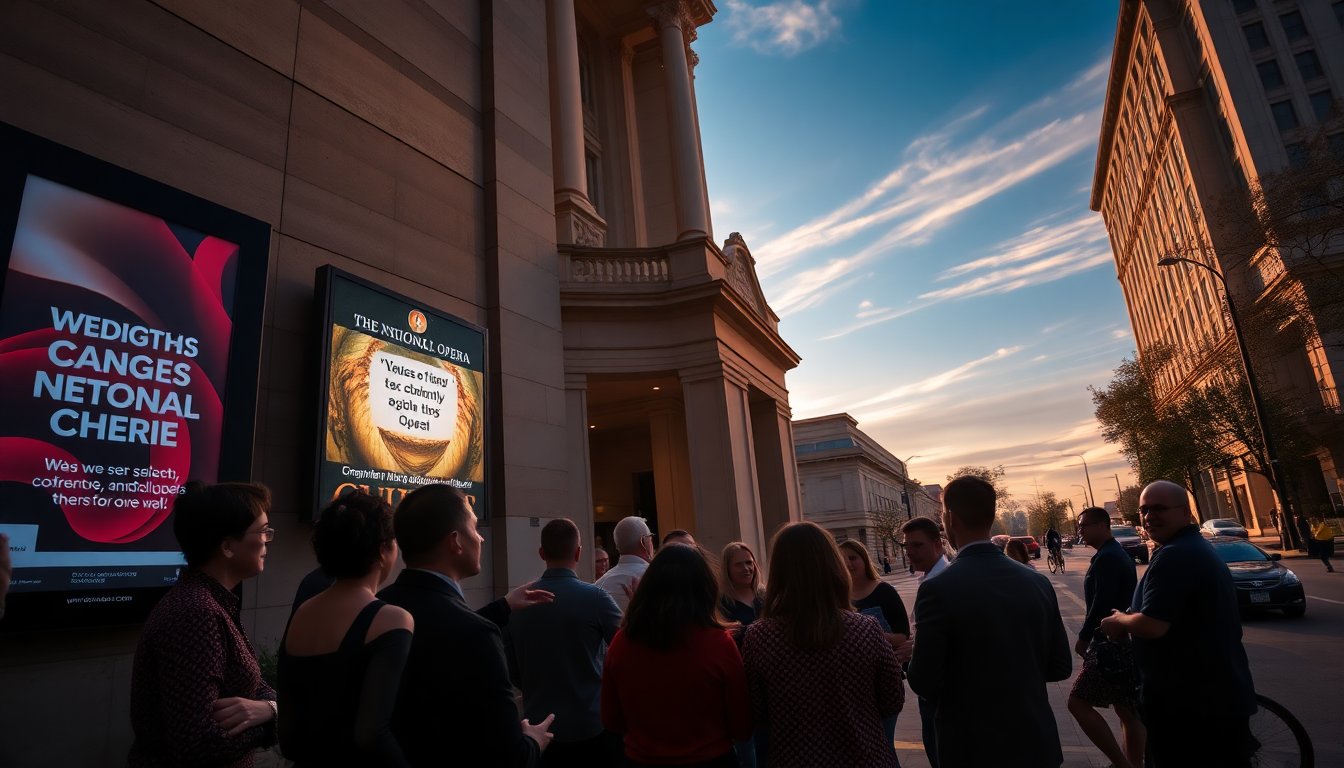
TheWashington National Opera(WNO) is undergoing significant changes, driven by its Artistic DirectorFrancesca Zambello. This transformation comes amid a strained relationship with the famedKennedy Centerand has prompted discussions about the future of opera in a politically charged environment.
As the WNO redefines its identity, political pressures, particularly during the Trump administration, play a critical role in its evolution. These changes hold profound implications for both the opera and the broader arts community.
Confronting political challenges
The WNO has maintained a connection with theKennedy Centersince its inception in 1971. However, recent political events have put this relationship under strain. Zambello highlighted a marked decline in audience attendance and donor confidence, with many supporters reluctant to engage with an institution perceived as influenced by the current administration.
In interviews, Zambello shared that numerous patrons expressed their discontent, with some stating they would not return to the Kennedy Center while the current administration is in power. This sentiment reflects a broader cultural divide emerging in these politically charged times, where art and politics intersect in complex ways.
Audience reactions and operational shifts
Reports indicate that ticket sales dropped to around 60 percent of capacity, a stark contrast to previous years. This decline in support is exacerbated by concerns that donations would indirectly support a political agenda many find objectionable. In response to these challenges, Zambello initiated discussions about the future of the opera, leading to the decision to part ways with the Kennedy Center.
This decision was not made lightly. It represents a strategic move by the WNO to regain creative control and appeal to a broader audience. By distancing itself from the Kennedy Center, the opera aims to explore new opportunities and foster a more inclusive environment for diverse operatic expressions.
The creative renaissance of Turandot
Amid these changes, the WNO has embraced artistic innovation. A prominent example is the recent completion ofGiacomo Puccini‘s final opera,Turandot, by composerChristopher Tin. This venture showcases the WNO’s commitment to contemporary interpretations of classic works and highlights Tin’s unique approach to finishing Puccini’s unfinished masterpiece.
First performed at theKennedy Centerin, Tin’s completion ofTurandothas garnered attention for its fresh perspective on the narrative, particularly in enhancing the role of the titular princess. His interpretation aims to provide a more comprehensive understanding of her character and motivations, enriching the
From opera to the ice rink
The significance of Tin’s work extends beyond the opera house. His adaptation ofTurandotis set to be showcased at the2026 Olympic Winter Gamesin Milan, where Olympic figure skaterYuma Kagiyamawill perform to the new score. This performance coincides with the 100th anniversary of the opera’s premiere, creating a remarkable synergy between classical music and contemporary athleticism.
Such collaborations exemplify the evolving landscape of the arts, where music transcends traditional boundaries. As Tin reflects on his journey, he acknowledges the influence of gaming music on his compositions and how this has resonated with audiences in unexpected ways. His ability to bridge the gap between classical music and modern entertainment demonstrates the adaptability of the art form.
Looking ahead
As the WNO redefines its identity, political pressures, particularly during the Trump administration, play a critical role in its evolution. These changes hold profound implications for both the opera and the broader arts community.0
As the WNO redefines its identity, political pressures, particularly during the Trump administration, play a critical role in its evolution. These changes hold profound implications for both the opera and the broader arts community.1