
Table of Contents
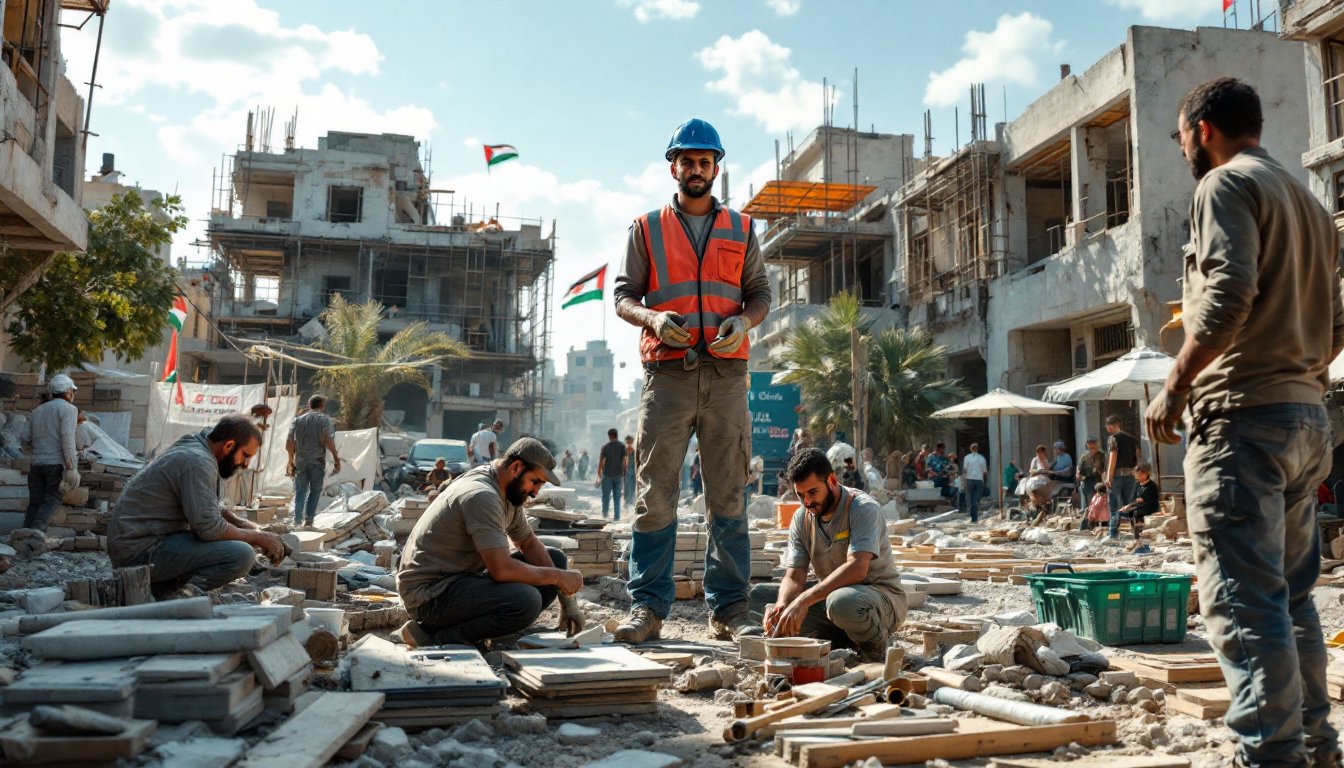
In a significant development, former President Donald Trump has announced plans for a Board of Peace aimed at overseeing reconstruction efforts in Gaza. This initiative, projected to cost approximately $1 billion for a permanent seat, has sparked intense debate about its potential role in global governance and its implications for traditional structures such as the United Nations.
As information unfolds, both critics and supporters are analyzing the possible consequences for international diplomacy and future conflict resolution. Trump’s proposal appears to challenge established norms and raises important questions regarding the legitimacy and effectiveness of such a board.
Understanding the structure and purpose of the Board of Peace
Trump’s vision for the Board of Peace seems to be based on the idea that a more direct, business-oriented approach could accelerate the rebuilding process in Gaza. By bypassing the bureaucratic delays typically associated with international organizations, Trump argues that the board could enable faster responses to crises. However, this raises concerns about governance and accountability within the board.
Financial implications of participation
Joining this board entails a substantial financial commitment, with reports suggesting that nations may need to invest $1 billion to secure a seat. This has prompted skepticism regarding which countries would be willing or able to afford such a significant fee, as well as the criteria for membership. Critics contend that this could create a hierarchy where wealthier nations exert disproportionate influence over key decisions, potentially marginalizing smaller or developing countries.
International community responses
The notion of a peace board has garnered attention globally. Various world leaders and organizations have reacted with a blend of curiosity and skepticism. For instance, Edi Rama, the Prime Minister of Albania, has publicly refuted claims that Albania was invited to join, calling the information false. He stressed that the idea of a $1 billion entry fee for countries is unfounded, reflecting broader doubts about the viability and legitimacy of Trump’s initiative.
Furthermore, the possibility of this board replacing traditional diplomatic frameworks has raised concerns about undermining the established roles of organizations like the United Nations. Critics fear that deviating from multilateral dialogue could exacerbate tensions and conflict.
Potential benefits and challenges
Despite the skepticism surrounding the Board of Peace, proponents believe it could pave the way for new opportunities for peace in the region. By uniting various stakeholders, the board could facilitate direct negotiation and engagement that have been historically challenging.
However, significant challenges remain. Issues regarding transparency, governance, and inclusivity must be addressed to ensure that the board does not prioritize the interests of a few powerful nations. Additionally, the long-term success of such an initiative will depend on the commitment of its members to equitable cooperation.
Future outlook
As Trump’s plans for the Board of Peace continue to develop, the international community observes closely. The implications of this board could potentially transform international relations, but its effectiveness will largely depend on navigating the intricate landscape of global politics. The coming months will be crucial in determining whether this initiative can genuinely foster peace and stability in Gaza or if it will merely add another chapter to the ongoing narrative of geopolitical maneuvering.