
Table of Contents
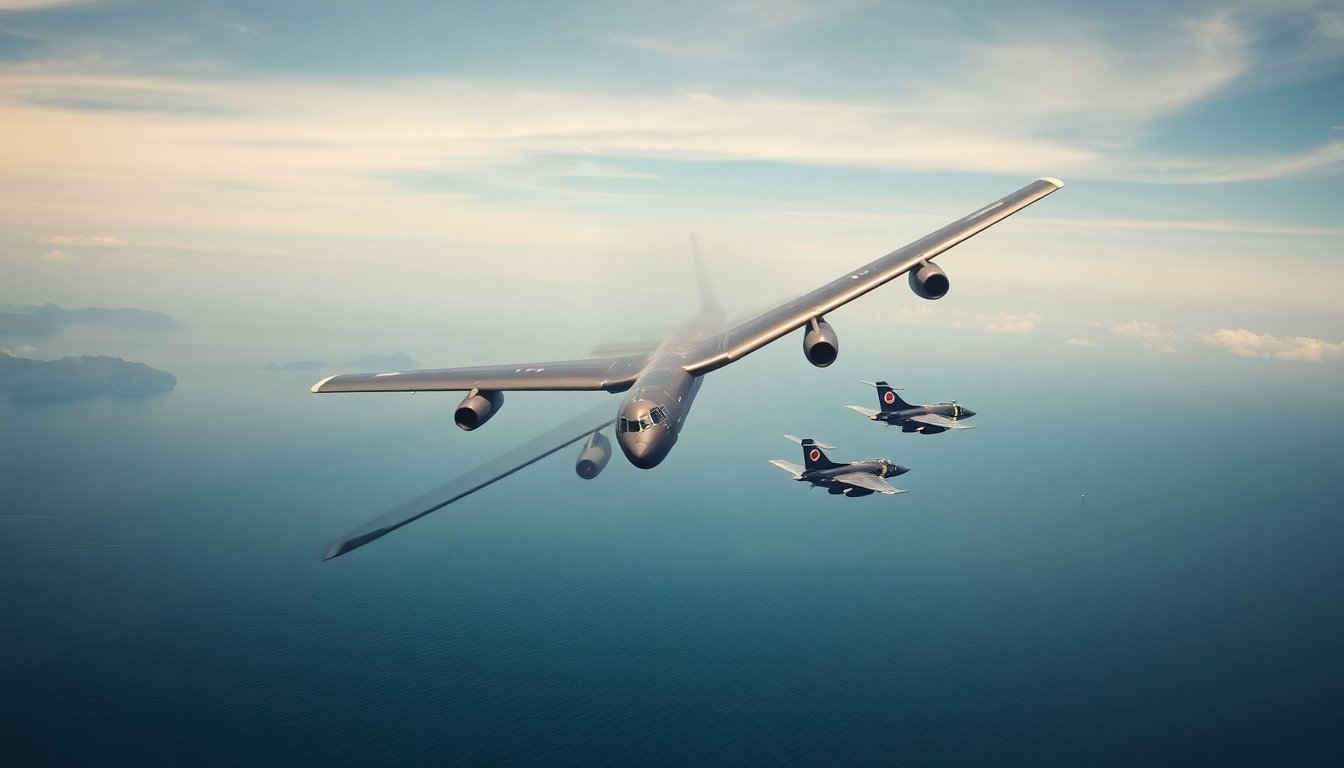
In a significant display of military cooperation, the United States conducted a series of bomber flights alongside Japanese jets over the Sea of Japan. This operation underscores the strength of the U.S.-Japan alliance and serves as a direct signal amid escalating tensions between Japan and China, particularly concerning Taiwan.
The flights involved B-52 bombers from the United States and were part of a broader strategy to enhance defense capabilities in the region. As Japan continues to express support for Taiwan, these military exercises highlight the commitment of both nations to counter potential threats posed by China.
Joint military activities amidst rising regional tensions
On December 9, the situation escalated further when Japan and South Korea scrambled their fighter jets in response to a coordinated flight by Chinese and Russian bombers. This joint patrol, which included Tu-95 Bear and H-6 series bombers, transited through international waters near Japan and South Korea, raising alarms about the growing military assertiveness of Beijing and Moscow.
The Japanese Defense Ministry reported that Russian bombers flew southward from the Sea of Japan, performing maneuvers alongside Chinese military aircraft. This operation coincided with Japan’s heightened military readiness, prompted by comments from Prime Minister Sanae Takaichi regarding the threat posed by any Chinese actions toward Taiwan.
Responses from Japan and South Korea
In reaction to the joint flight by Chinese and Russian forces, Japan’s Air Self-Defense Force mobilized its jets to secure its airspace. The sudden appearance of foreign military aircraft within their Air Defense Identification Zone (KADIZ) prompted South Korea to respond similarly, reflecting shared concerns about the assertive military postures of China and Russia.
Details from the Joint Chiefs of Staff in South Korea indicated that two Chinese military planes and seven Russian aircraft entered KADIZ, necessitating swift responses from the South Korean military to mitigate potential confrontations.
Historical context of military cooperation
The joint flights between China and Russia are not unprecedented; these nations have engaged in similar operations annually since 2019. Past encounters have resulted in tense situations, such as when South Korean jets fired warning shots at Russian aircraft that entered its claimed airspace. Such incidents highlight the delicate nature of regional security dynamics and the potential for misunderstandings that could escalate into conflict.
Moreover, Japan’s military actions are increasingly viewed within the context of its defense strategy. The country is enhancing its military capabilities, including plans to deploy advanced electronic warfare units on Yonaguni Island, strategically located near Taiwan. These developments are perceived as a response to both military exercises by China and Japan’s need to assert its defense posture in the region.
Implications for U.S.-Japan relations
The recent military exercises not only reflect a commitment to mutual defense between the U.S. and Japan but also highlight the broader geopolitical implications of their alliance. As Japan adopts a more proactive stance in military affairs, the partnership with the U.S. is likely to deepen, with both nations aiming to deter Chinese aggression.
In light of these developments, the ongoing tensions between Japan and China present a complex challenge. As both countries prepare for potential conflicts, the need for clear communication and diplomatic engagement becomes increasingly critical to avoid misunderstandings that could lead to military escalation.
The flights involved B-52 bombers from the United States and were part of a broader strategy to enhance defense capabilities in the region. As Japan continues to express support for Taiwan, these military exercises highlight the commitment of both nations to counter potential threats posed by China.0