
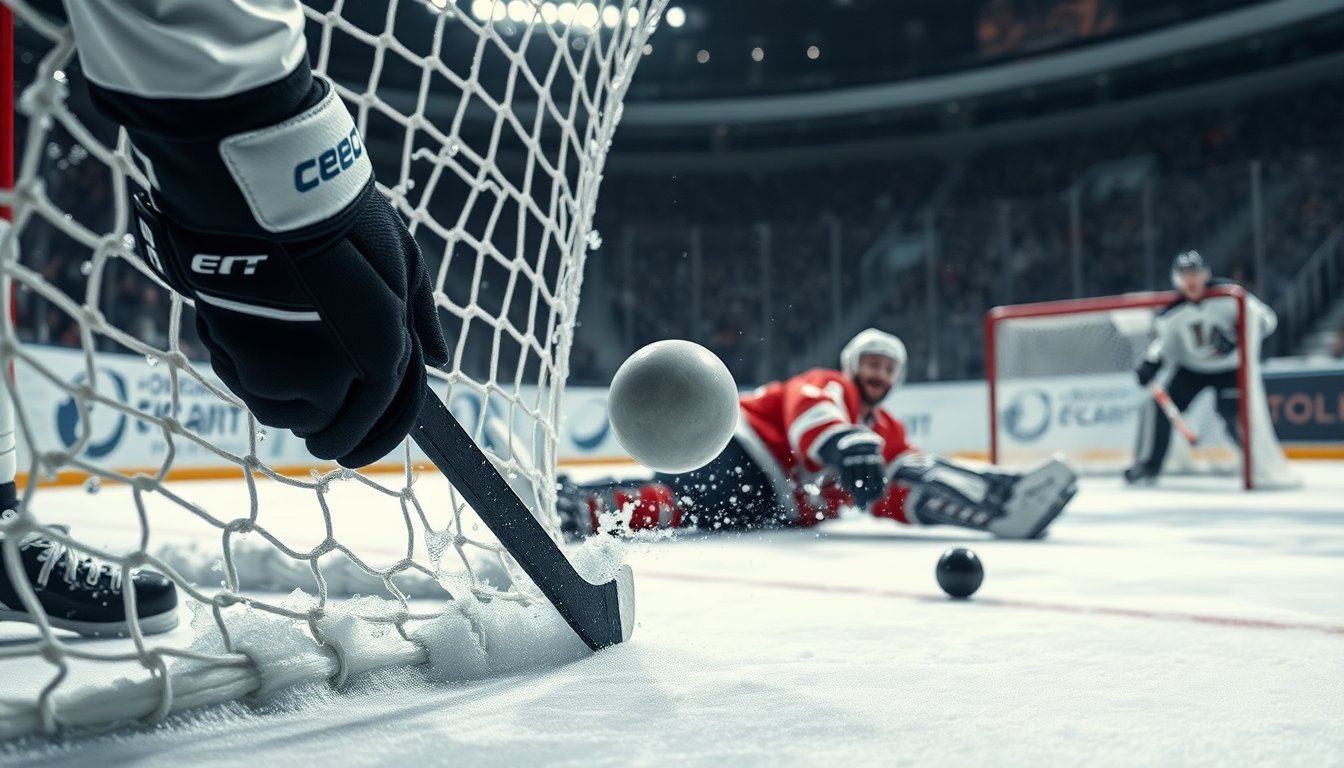
February 22, 2026 — the night Jack Hughes settled a 46-year wait. In sudden-death 3-on-3 overtime, Zach Werenski slipped a pass to Hughes, who finished to give the United States a 2–1 victory over Canada in the men’s Olympic hockey final at Milan–Cortina. The goal snapped the U.S. men’s gold drought that stretched back to 1980 and instantly became one of the Games’ defining images: gritty, dramatic and unmistakably team-first, as Hughes himself stressed after the win.
Hockey: how the game played out
– The contest was a defensive chess match for 60 minutes. Chances were scarce, goaltending kept both teams in it, and each side defended the slot ferociously. The overtime unfolded quickly; the extra-skater format rewarded space and speed, and Werenski’s pass freed Hughes for a clean finish.
– The game wasn’t without grit: Hughes endured a facial injury during play and kept going — a small, visceral reminder of how much this gold meant to the players and fans alike.
The immediate numbers
– Final score: United States 2, Canada 1.
– Television and streaming audiences peaked in overtime; broadcasters reported double-digit gains over tournament averages. Merchandise and jersey sales spiked, and in-venue attendance was near capacity.
Commercial and development ripple effects
A victory like this does more than change a medal table. It shifts attention and dollars. Networks and sponsors saw value in the live drama — advertising slots around the final sold at a premium and cross-platform engagement climbed noticeably. Federations and clubs can reasonably expect increased interest in youth enrollment and talent programs, while brands may reallocate sponsorship dollars toward hockey activations and athlete-led content. That said, long-term commercial gains will hinge on sustained visibility, not just a single unforgettable night.
Other headline moments from the final day
– Freeski halfpipe: Eileen Gu defended her title with a technically clean second run and an even stronger final attempt, taking gold with a 94.75. Li Fanghui earned silver and Britain’s Zoe Atkin took bronze.
– Cross-country: Ebba Andersson won the 50 km mass start, finally claiming the individual gold she had chased for years. Jessie Diggins closed her Olympic career with a stirring fifth-place performance, a fitting capstone to a trailblazing run.
– Bobsleigh: Johannes Lochner collected the four-man crown to add to his two-man gold, narrowly edging Francesco Friedrich in a tense finish.
Medal table and national takeaways
– Norway topped the medals with 18 golds and 41 total medals.
– The United States finished with 12 golds and 33 medals
These results matter beyond pride. Concentrated medal success tends to drive media attention, which in turn shapes sponsorship appetites and short-term bargaining power for rights holders.
What will likely change next
– Rights and sponsorship markets: Expect renewed interest in packages tied to live, peak moments. Broadcasters that can capture and monetize those peaks will have the upper hand.
– Federations and clubs: Many will reassess resource allocation — balancing elite programs that produce headline moments with grassroots investment that supplies the talent pipeline.
– Youth and retail: Short-term bumps in participation and merchandise are almost certain; the challenge will be turning that interest into sustained growth.
Legacy and the human story
The final day underlined a simple truth: people remember moments over medal tallies. A comeback run, a tribute, a veteran’s farewell — those scenes stick. For sponsors and broadcasters, narrative-rich episodes command attention and premium ad rates. For athletes and fans, they create the memories that endure.
Milan–Cortina closed with performances that rewrote parts of sporting history and gave rights holders, sponsors and federations plenty to chew on. Whether the commercial momentum holds will depend on follow-through: investment in development, smart storytelling, and the ability to turn fleeting attention into long-term engagement. For now, though, the Games offered plenty of drama — and a night in February that American hockey fans will be talking about for decades.


