
Table of Contents
US and the Philippines expand missile and unmanned deployments
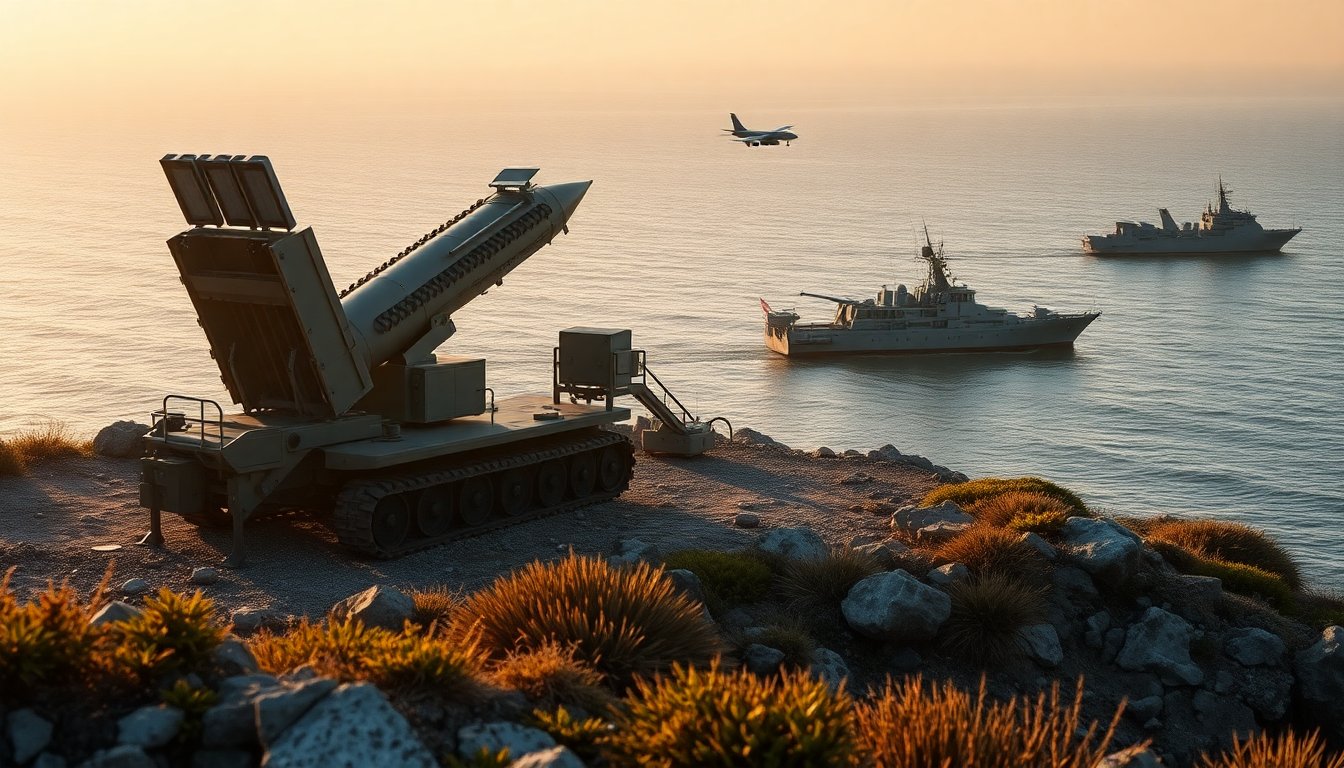
The United States and the Philippines have agreed to broaden deployments of advanced missile systems and unmanned platforms on Philippine territory, following the 12th Philippines–US Bilateral Strategic Dialogue on Feb. 16. Officials characterize the move as a geographically targeted effort to strengthen deterrence, protect key sea lanes and sharpen alliance interoperability — a deliberate, temporary posture rather than a permanent accumulation of hardware.
Why they’re doing it
Leaders say the goal is to deter coercion along the First Island Chain and to keep trade and navigation flowing in accordance with international law. Placing integrated missile and unmanned capabilities closer to potential flashpoints is meant to shrink response times, complicate adversary planning and improve maritime domain awareness. Policymakers framed the initiative around shared rules and joint operations, emphasizing rotational deployments instead of fixed bases.
What’s included
- – Finance and training: U.S. Foreign Military Financing will be prioritized for capabilities that bolster joint deterrence. Both countries will expand training programs to raise interoperability and ensure forces can operate together effectively.
- – Infrastructure upgrades: Additional U.S. funding through the Enhanced Defense Cooperation Agreement (EDCA) will be used to improve ports, airfields and communications links to support rotational forces while avoiding the establishment of permanent bases.
- – Capability demonstrations: The plan calls for increased rotational presence of advanced U.S. systems and more realistic combined exercises. In, temporary deployments included a mid-range system called Typhon and an anti-ship missile launcher placed at sites in the northern Philippines as part of these demonstrations.
Strategic rationale and regional effects
This approach marks a shift from concentrating forces at single locations toward a more distributed, interoperable posture. Supporters argue it strengthens collective defense, fills logistical and command-and-control gaps, and reassures regional partners. Skeptics warn the moves could be perceived as escalatory and might spur countermeasures or an arms race.
Operational success depends on the mundane but crucial tasks of logistics and sustainment: mapped supply routes, fuel and munitions storage, predictable personnel rotations and dependable maintenance chains. The EDCA upgrades are structured to back rotational deployments and joint drills, not permanent basing.
Balancing deterrence with diplomacy
Both capitals have stressed the defensive nature of the deployments and underscored their purpose in preserving freedom of navigation and overflight. Manila describes the effort as gradual capacity-building: Filipino officials say observing U.S. systems in action will help shape future procurement and long-term force modernization. Washington reiterated that the 1951 Mutual Defense Treaty covers attacks on armed forces, public vessels and aircraft in the Pacific, including the South China Sea.
Still, military posture and diplomatic outreach must move in tandem. Visible deterrence works best when paired with clear crisis communications, transparent signaling and functioning diplomatic channels that lower the chance of miscalculation. How leaders manage that balance — firm deterrence alongside steady diplomacy — will heavily influence regional responses.
Operational and logistical realities
The plan follows a two-track logic: in the near term, U.S. assets boost collective readiness and provide a security umbrella; over time, the Philippines is expected to acquire complementary systems and know-how to reduce reliance on external platforms. Practical steps under discussion include phased equipment handovers, sustainment-focused joint exercises and clearly mapped logistics corridors to support sustained operations.
Who stands to gain
The arrangement aims to be mutually reinforcing. The United States preserves operational access and reassures allies; the Philippines builds an indigenous, interoperable deterrent. Long-term success will hinge on predictable logistics, clear command relationships and measurable capability transfers that enable Manila to operate complementary systems autonomously.
Funding and capability development
Both governments committed extra resources this fiscal year to modernize EDCA sites and related infrastructure. Priorities focus on interoperability: funding will target agreed capabilities and be paired with training and doctrinal reforms so procurement translates into sustainable operational capacity.
Regional reactions and what to watch
Responses in Asia are mixed. Some governments view the measures as practical steps to strengthen deterrence and logistics; others worry they could alter the strategic balance and increase tensions. Expect more combined drills, continued rotations of advanced systems, and ongoing bilateral discussions about Philippine procurement plans. Key items to monitor: the scale and frequency of rotations, the pace of EDCA infrastructure upgrades, and Manila’s own acquisition and training timelines.
Practical advice for governments and industry
Leaders say the goal is to deter coercion along the First Island Chain and to keep trade and navigation flowing in accordance with international law. Placing integrated missile and unmanned capabilities closer to potential flashpoints is meant to shrink response times, complicate adversary planning and improve maritime domain awareness. Policymakers framed the initiative around shared rules and joint operations, emphasizing rotational deployments instead of fixed bases.0
Looking ahead
Leaders say the goal is to deter coercion along the First Island Chain and to keep trade and navigation flowing in accordance with international law. Placing integrated missile and unmanned capabilities closer to potential flashpoints is meant to shrink response times, complicate adversary planning and improve maritime domain awareness. Policymakers framed the initiative around shared rules and joint operations, emphasizing rotational deployments instead of fixed bases.1