
Table of Contents
Shift in U.S. military strategy following Maduro’s arrest
The geopolitical landscape in Latin America has changed significantly due to recent developments involving Venezuelan President Nicolas Maduro. Following his arrest, the U.S. military has adjusted its naval presence in the Caribbean, particularly near Venezuela. This relocation of key warships and military assets indicates a notable shift in the United States’ strategy regarding the ongoing crisis in Venezuela.
Military adjustments after Maduro’s capture
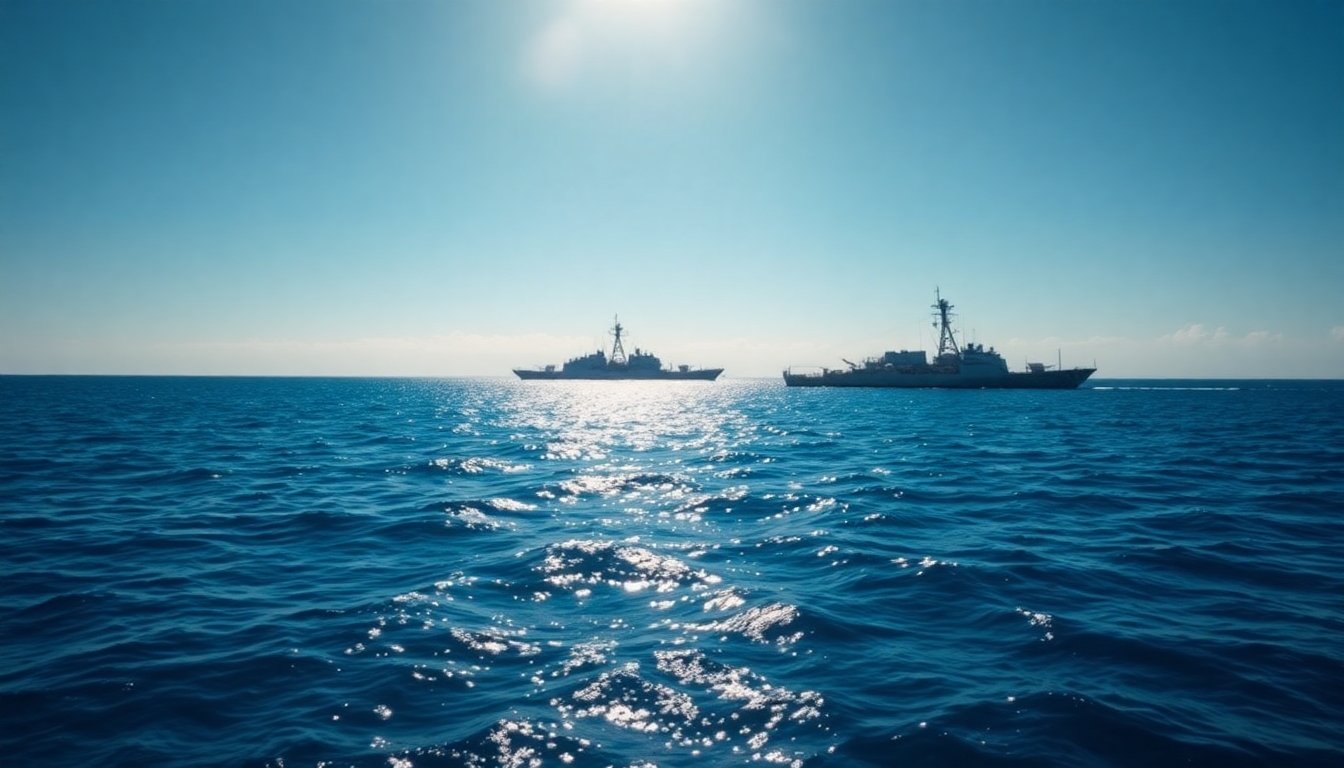
Following the capture of Venezuelan leader Nicolás Maduro, U.S. forces have begun to scale back their naval presence near Venezuela. Reports indicate that the USS Iwo Jima and USS San Antonio have been moved to locations north of Cuba. This shift suggests a strategic recalibration in response to the changing political landscape. The adjustment comes after a comprehensive operation in which U.S. forces conducted a coordinated sweep through Caracas, targeting military installations and disarming key members of Maduro’s administration.
Details of the operation
U.S. forces successfully secured critical military sites and dismantled arms depots, significantly weakening Nicolás Maduro’s defense capabilities. This operation unfolded through a series of strategic maneuvers designed to minimize resistance, demonstrating the operational readiness of U.S. military personnel. Following his capture, Maduro was initially detained aboard the USS Iwo Jima before being transferred to a facility at Stewart Air Force Base in New York. He now faces serious charges, including narco-terrorism conspiracy and cocaine trafficking.
Government response and implications
U.S. officials, including Secretary of the Department of Homeland Security Kristi Noem, have welcomed the capture of Nicolás Maduro. They emphasized the necessity of accountability for his actions. Noem pointed out the extensive investigations conducted by agencies such as the FBI and CIA, which have monitored Maduro’s criminal activities over several years. Her statements reflect a commitment to justice for the victims of Maduro’s regime and reinforce the narrative that the U.S. intends to take decisive action against perceived threats.
Future prospects for Venezuela
Secretary of State Marco Rubio outlined the U.S. position on Venezuelan leadership, stating that the U.S. will not engage with President Maduro’s appointed vice president, Delcy Rodriguez. Rubio highlighted the importance of allowing the Venezuelan people to select their leaders without external interference. As the U.S. seeks to advance its interests, it aims to support a transition that prevents foreign entities from exploiting Venezuela’s abundant oil resources.
Rubio noted that Venezuela will continue to experience economic pressure and sanctions until it confronts the fundamental issues contributing to its current predicament. The U.S. intends to remain vigilant in targeting drug trafficking operations that pose a threat to its borders, ensuring the protection of its national interests.
Significance of Maduro’s capture
The recent capture of Nicolás Maduro marks a pivotal moment in U.S.-Venezuelan relations. This event highlights a shift in military strategy and a resolute stance from U.S. officials, emphasizing a commitment to restoring stability in the region. As developments continue, it is expected that the U.S. will refine its policies to facilitate a transition towards a more democratic governance in Venezuela, while also prioritizing its national security interests.