
Quick snapshot
– Tensions in and around the Gulf have pushed market pricing higher: investors are treating the region as riskier, insurance for shipping routes is pricier, and some sovereign bond spreads are wider.
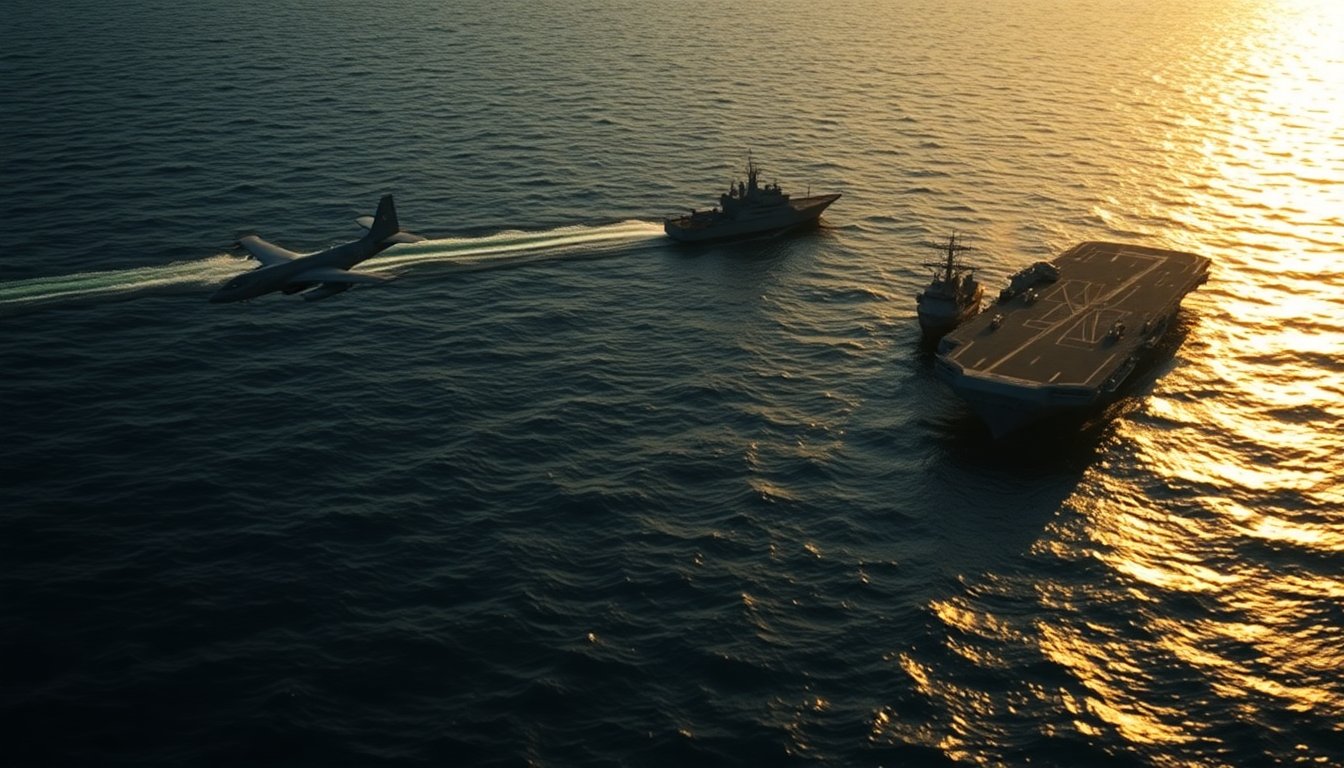
– This reaction follows multiple moves: a U.S. carrier strike group routed toward the Middle East (including the USS Gerald R. Ford, which recently entered service), public deadlines from U.S. officials, Iran’s refusal to negotiate limits on its missile program, and intermittent domestic unrest inside Iran that’s been compounded by communications blackouts.
What actually happened
– The U.S. rerouted significant naval assets into the region. Media and defense sources say the Gerald R. Ford — a carrier that only recently became operational — is among the ships involved, even though analysts previously flagged maintenance concerns.
– Tehran’s leadership has repeatedly called ballistic missiles a “red line,” saying they won’t be folded into nuclear talks. That hardened position narrows diplomatic options.
– Separately, Iran imposed wide internet and satellite restrictions during unrest, and U.S. officials have said thousands of Starlink terminals were smuggled in at some point to restore connectivity for protesters (these are official claims and remain politically sensitive).
Numbers worth noting (attributed where possible)
– Market indicators: shipping insurance premiums for Gulf routes are up versus recent averages; selected Gulf sovereign credit spreads have widened; oil-forward volatility has ticked higher. (Public market screens and industry reports show these patterns, though exact magnitudes vary by source.)
– Reported figures: U.S. officials have cited roughly 6,000 Starlink terminals moved into Iran during the unrest; separately, several thousand IS detainees were reportedly transferred from northeastern Syria to Iraq in recent operations. These are government figures and should be treated as reported, not independently verified here.
Why markets reacted
– Less information, more uncertainty: internet blackouts and seizures of satellite gear make it harder for markets to verify what’s happening on the ground. That drives up the cost of hedging and increases bid–ask spreads.
– Military signaling: moving a carrier strike group is both a practical hedge and a visible warning. Markets price the possibility that a misstep could disrupt shipping or energy flows.
– Policy constraints: Iran’s public insistence on keeping its missile program separate from nuclear negotiations reduces the chance of an “all-in” diplomatic deal, which in turn raises tail-risk pricing for sanctions or military escalation.
Key variables to watch
– Operational updates on deployed naval assets (where carriers and escorts actually go matters).
– Any changes in Iran’s public posture on missiles or in its domestic security approach.
– Duration and scale of connectivity restrictions inside Iran — longer blackouts have historically produced sharper market reactions.
– Regional spillovers: detainee transfers, base withdrawals or reassignments (e.g., al Tanf), and allied partners’ moves.
Who feels it first
– Shipping and maritime insurers: higher premiums or rerouting is the immediate, visible effect.
– Energy traders: precautionary premia and more volatile forward curves while uncertainty persists.
– Banks and bondholders with regional exposure: wider funding spreads and higher CDS costs.
– Defense and logistics firms: increased investor interest in the short term, although the long-term effects depend on how events play out.
– Humanitarian and media organizations: operational difficulty and verification challenges when communications are constrained.
On information warfare and verification
– When independent channels—satellite links, on-the-ground reporting—are limited, casualty counts, protest scales and supply disruptions become harder to confirm. That uncertainty feeds volatility.
– Governments’ seizures of satellite gear and new legal penalties for ownership reduce the pool of verifiable sources, making markets more cautious.
What this means going forward
– Expect elevated risk premia and choppy trading until either: (a) credible diplomatic de-escalation, (b) reliable, verifiable reporting resumes at scale, or (c) a clear operational change (troop movements, sanctions, or coordinated regional agreements) alters perceived risk.
– Short-term market signals to watch: shipping insurance quotes for key Gulf lanes, sovereign spread moves for proximate issuers, and intra-day volatility in energy forwards.
– For investors and firms operating in or near the region, the practical playbook is defensive: shorten duration, reassess exposures that depend on open information channels, and price in higher monitoring and compliance costs. How long this lasts depends on whether verification returns and whether diplomacy can change the current standoff.