
Quick summary
– What happened: Ecuador and the United States carried out a coordinated strike on a suspected drug-trafficking camp near Ecuador’s northeastern border with Colombia on 6 March 2026.
– Who was involved: Ecuadorian security forces and U.S. Southern Command.
– Why: Authorities say the aim was to disrupt a transnational narcotics hub tied to armed groups known as the Comandos de la Frontera (CDF), reportedly made up of FARC dissidents and criminal actors.
– How: Officials describe a mixed operation — riverine and aerial access, helicopters, fixed-wing aircraft, boats and drones — using standoff strikes to limit ground exposure.
– What’s unclear: Neither country has released casualty or arrest figures, and on‑the‑ground verification remains pending.
Opening
Ecuador and the U.S. announced a joint military action this week against a suspected training and logistics site near the Colombia border. The Ecuadorian government called the campaign “Total Extermination,” and both capitals released footage showing explosions and smoke over the targeted area. Beyond the images, concrete details are thin: officials confirm the strike but have not provided casualty counts, arrests or a full damage assessment.
The target
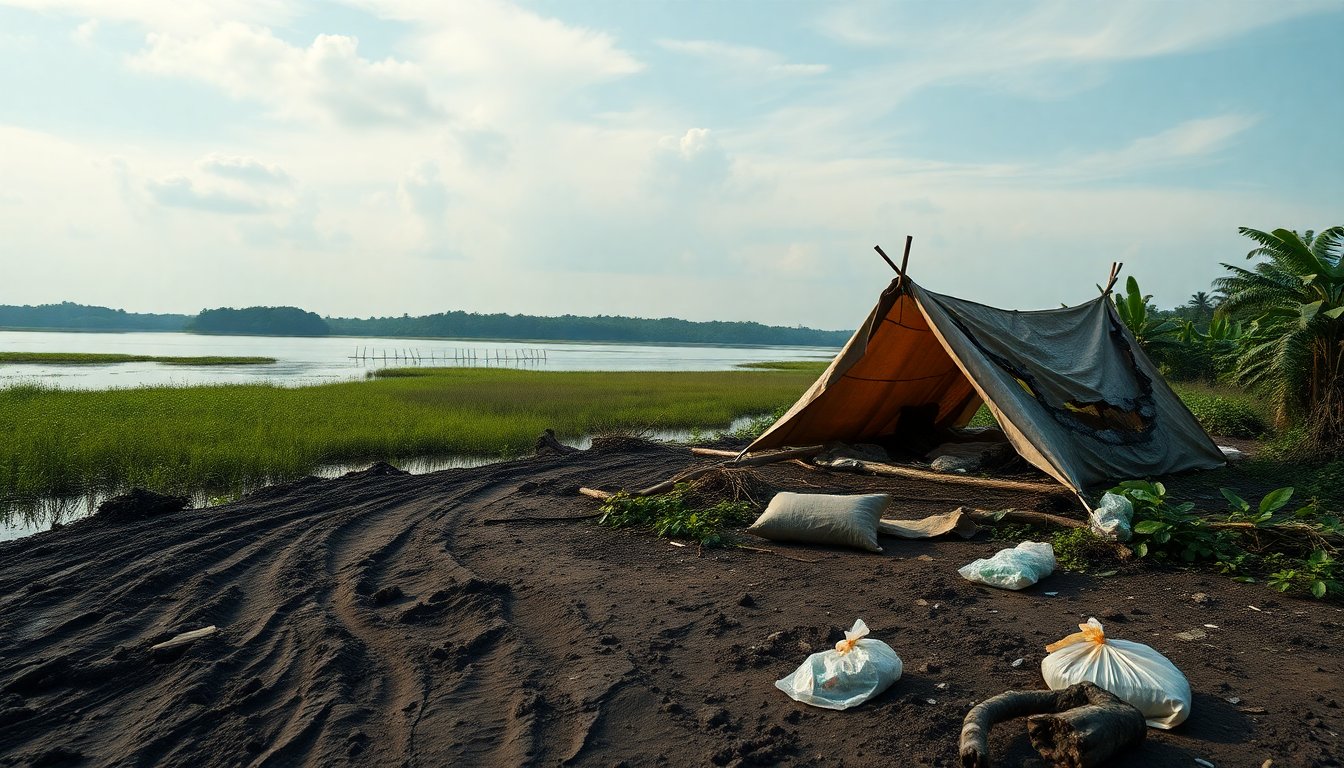
Ecuador’s defence ministry identified the site as a training camp for the Comandos de la Frontera, a group officials associate with FARC dissidents. The camp was described as a logistics node and possible training hub, with an estimated capacity of roughly 50 people. Authorities say the terrain is accessible by river and air, which informed the operational plan.
How the operation unfolded
Officials say the teams used layered surveillance — drones, manned aircraft and riverine patrols — to find and monitor the site. Strike assets included helicopters and fixed‑wing aircraft; riverine boats provided mobility along waterways. Public statements emphasize standoff tactics (aerial ordnance and unmanned platforms) designed to reduce the need for large ground incursions. Both militaries say command and control were coordinated across national forces, with intelligence-sharing guiding target selection and timing.
What authorities have said — and withheld
– Confirmed: the strike occurred; U.S. Southern Command acknowledged its role, saying it acted at Quito’s request as part of ongoing cooperation.
– Released: video imagery showing explosions and smoke.
– Not released: casualty figures, arrest counts, damage reports or detailed after‑action assessments. Officials repeatedly stress that verification and investigations are ongoing.
Political and regional context
Ecuador’s president, Daniel Noboa, has prioritized a tougher, military-forward approach against organized crime and has pressured Colombia for stricter counter‑narcotics enforcement — even using tariffs as leverage. The timing of the operation, just days before President Noboa’s trip to the Shield of the Americas summit in Miami, highlights a desire to show operational cooperation with the United States.
Potential consequences and questions ahead
– Short-term: Removing a camp can disrupt trafficking flows temporarily and degrade local operational capacity.
– Longer-term: Analysts warn the impact may be limited — mobile groups often relocate, reconstitute, or rely on wider networks. Verification problems (limited access, mobile targets) make it hard to judge whether the strike achieved strategic effects.
– Diplomatic fallout: The action risks raising tensions with Colombia and neighboring states and invites scrutiny over legal authorities for cross-border assistance, civilian protection measures, and accountability.
– Next steps authorities say they will take: follow-up ground operations, continued intelligence-sharing, and diplomatic engagement with Colombia to prevent displacement of violence across the border.
What to watch for
– Official casualty and capture figures or detailed post‑strike assessments.
– Signs of follow-up ground operations to consolidate gains.
– Reactions from Colombia and other regional capitals about coordination and legal oversight.
– Local reports from border communities about displacement, damage or civilian harm.
S. have publicly framed the action as a targeted strike against a narcotics-linked camp. The operation underscores deeper security ties between Quito and Washington, but crucial facts — who was killed or arrested, what was actually destroyed, and whether the strike will have lasting effect — remain unverified. Authorities say investigations are ongoing; independent confirmation will be key to understanding the true outcome.