
Table of Contents
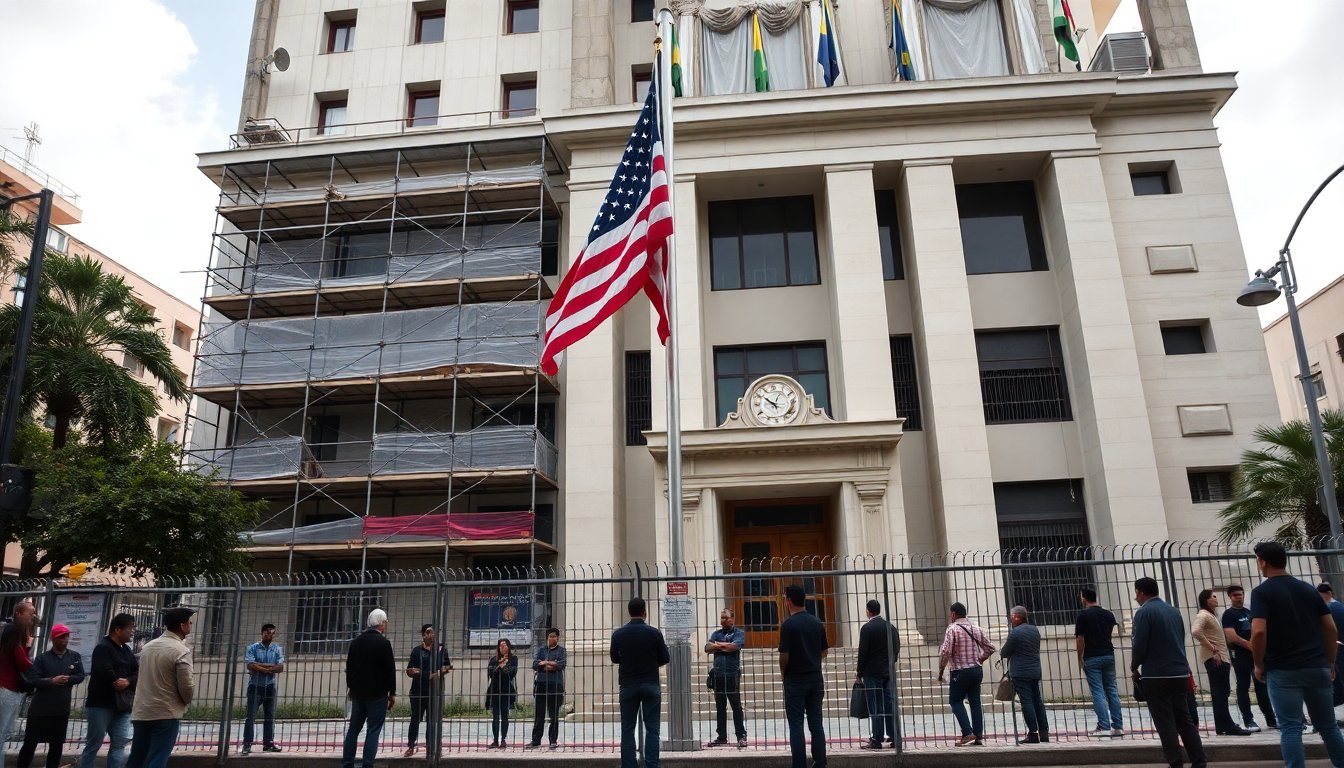
The American flag was hoisted again at the US embassy in Caracas, a visible sign of resumed interaction between Washington and Caracas. The embassy team described the action as occurring exactly seven years after the flag was taken down on March 14, 2019, and the ceremony on March 14, 2026 was framed as a turning point. Observers saw the move as both symbolic and practical: a step toward restoring formal diplomatic ties while the building itself remains under repair. Local residents reacted with curiosity and relief, underlining how a single emblem can convey broader political shifts.
Even as the flag fluttered, the embassy compound is not yet fully operational and officials have not set a firm date for reopening core services. The US charge d’affaires described the hoisting as a ceremonial step that signals commitment to longer-term engagement. At the same time, the political context is charged: the change in Caracas followed a high-profile US operation on Venezuelan soil in which former president Nicolas Maduro was seized on January 3, and the interim leadership of Delcy Rodriguez has since been recognised by the US administration. These developments have created momentum for formal contact while also raising complex diplomatic questions.
Diplomatic reset and the political landscape
The flag-raising has been presented by the US as a restoration of formal representation after years of severed relations, and officials have said they intend to maintain an embassy presence in Caracas. This adjustment is part of a broader political shift following the removal of the previous leader and the emergence of an interim president. Washington has framed the reopening as the start of a new bilateral chapter, and the embassy post has emphasised its intent to “stay with Venezuela”. Critics counter that the context of the transition, including military action and pressure on the interim government, complicates claims of voluntary rapprochement and raises concerns about the balance of influence.
Access to resources and the role of concessions
One of the most contentious elements of the renewed relationship concerns Venezuela’s natural wealth. The Trump administration has requested concessions from the interim government, with particular emphasis on petroleum and mining sectors. Officials have discussed access to Venezuela’s oil reserves as a core bargaining point, and the interim leadership has moved to liberalise previously nationalised sectors to attract foreign investment. At the same time, critics argue that discussions framed as commercial or security cooperation may amount to sustained control over key resources rather than ordinary diplomatic engagement, elevating the stakes of every bilateral arrangement.
Oil sales and financial oversight
Since the change in Caracas, a substantial volume of crude has been transferred under arrangements that place sales under US management, with proceeds routed through controlled accounts. These mechanisms have enabled the US to influence how Venezuela’s shipments are marketed and where revenues are held. Supporters claim these measures help stabilise the economy and ensure transparent use of funds; opponents and legal scholars warn they risk undermining national sovereignty and clash with recognised norms. International law enshrines permanent sovereignty over natural resources for each state, which is central to debates about the legality and ethics of ongoing arrangements.
Regional and domestic consequences
The embassy’s reopening reverberates across Latin America. Some governments see the move as a signal of shifting US strategy and potential normalization, while others worry about precedent and the implications of external influence over a country’s economic lifelines. Inside Venezuela, political actors have reacted unevenly: supporters of the interim government welcome the recognition and potential inflows of investment, while opponents decry what they describe as coercive diplomacy. The combination of a symbolic flag-raising and substantive negotiations over resources has left citizens wondering which will matter more in daily life—restored consular services or control over the economy.
What to watch next
Key indicators to monitor include the timeline for reopening embassy services, the final terms of any resource-related agreements, and whether international legal institutions or foreign states challenge arrangements seen as infringing sovereignty. The interim government has urged removal of remaining sanctions to ease economic recovery, and Washington has signalled conditionality tied to commercial access. How those conditions translate into policy will determine whether the renewed presence becomes a foundation for cooperative rebuilding or a flashpoint in wider debates about influence and rights.
Conclusion
The return of the American flag to the US embassy compound in Caracas is undeniably symbolic, but it has practical and legal reverberations that extend far beyond the hoisting ceremony. With the embassy still under renovation, a newly installed interim administration, and active discussions over oil and mineral concessions, the diplomatic reset is unfolding in real time. Observers should expect a mix of ceremonial diplomacy and substantive bargaining, where the next moves by both governments will shape not only bilateral relations but also regional norms about resource sovereignty and external intervention.