
Table of Contents
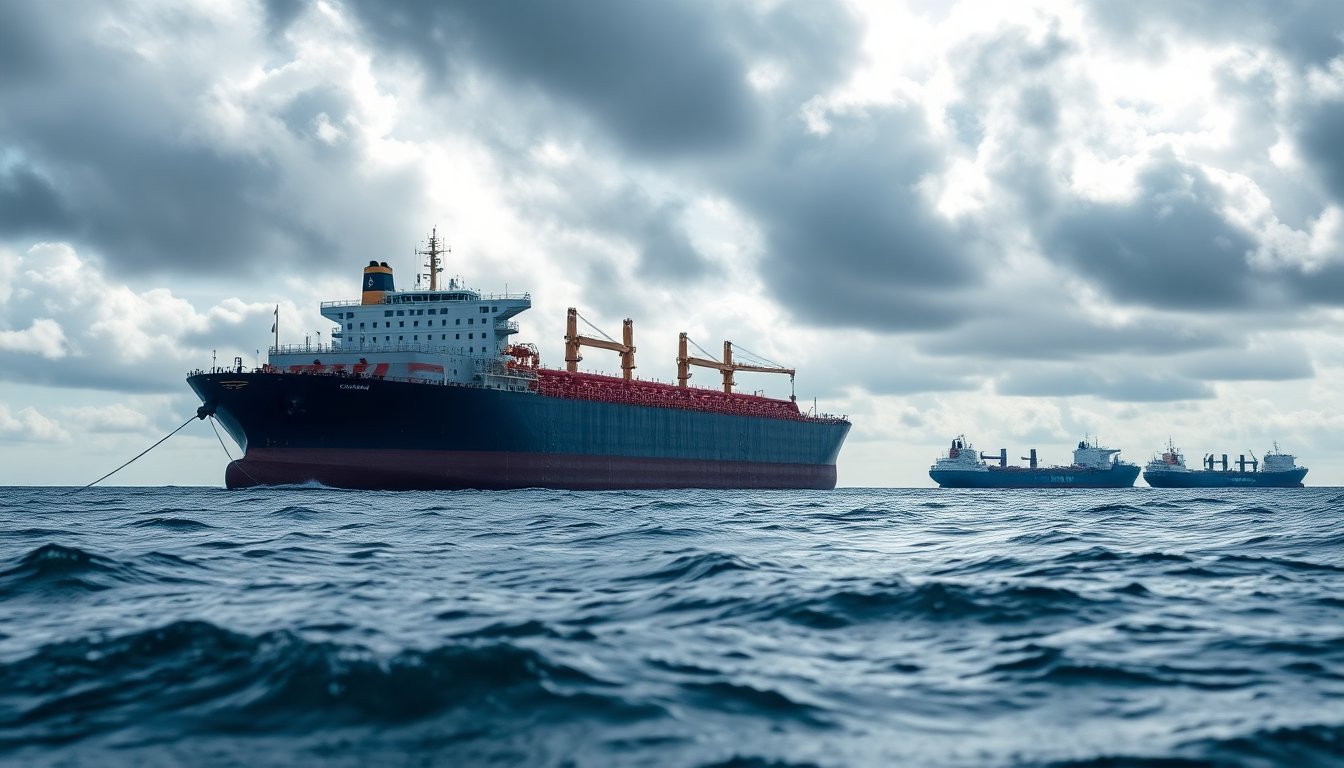
In a significant development highlighting the rising tensions between the United States and Venezuela, the U.S. government has seized a large oil tanker off the coast of Venezuela. This action forms part of a broader strategy aimed at increasing pressure on President Nicolás Maduro, who has faced ongoing criticism for his management of the country’s economy, which is heavily dependent on oil exports.
The impact of this seizure is substantial. It marks a decisive shift in U.S. foreign policy regarding Venezuela, particularly as the Biden administration aims to address the humanitarian crisis and advocate for democratic governance in the region.
Implications of the tanker seizure
The seizure of the tanker is viewed as a critical escalation in the U.S. campaign against Maduro’s government. Venezuela’s economy has been struggling due to a long-standing reliance on oil revenues, which have diminished as international sanctions have taken effect. The U.S. hopes that such actions will further weaken the financial capabilities of the Maduro regime.
International response and consequences
International reactions to the seizure have been mixed. Proponents argue that it is essential to hold Maduro accountable for human rights abuses and the mismanagement of Venezuela’s resources. Conversely, critics caution that aggressive tactics may heighten tensions and lead to further destabilization in the region.
This incident also underscores the ongoing contest for control over Venezuela’s oil resources, as the country is one of the most oil-rich nations globally. The U.S. has reiterated its commitment to supporting the Venezuelan people in their pursuit of democracy and economic stability.
Economic ramifications for Venezuela
The economic consequences of the tanker seizure are profound. With the oil industry serving as the backbone of Venezuela’s economy, any disruptions can have severe effects on the nation’s citizens. As oil exports decline, Venezuela faces an increasingly dire humanitarian crisis, with many residents struggling to meet basic needs.
In recent years, inflation has soared, significantly diminishing the purchasing power of ordinary citizens. The U.S. aims to leverage such actions to promote a change in leadership in Venezuela, hoping that a new government could restore stability and improve living conditions.
Future of U.S.-Venezuela relations
Looking ahead, the relationship between the U.S. and Venezuela remains fraught with challenges. The U.S. continues to impose sanctions and seeks to isolate Maduro on the international stage. However, the effectiveness of these strategies is still a topic of debate among diplomats and policymakers.
Ultimately, the situation in Venezuela necessitates a comprehensive approach that balances pressure with diplomatic efforts. The U.S. must navigate this complex landscape carefully to avoid unintended consequences that could negatively impact the Venezuelan populace rather than the regime.
As the U.S. remains committed to supporting democracy in Venezuela, the seizure of the oil tanker serves as a significant indicator of its future approach. The international community will closely monitor how this action affects both the Maduro regime and the broader geopolitical dynamics in the region.