
Table of Contents
The facts
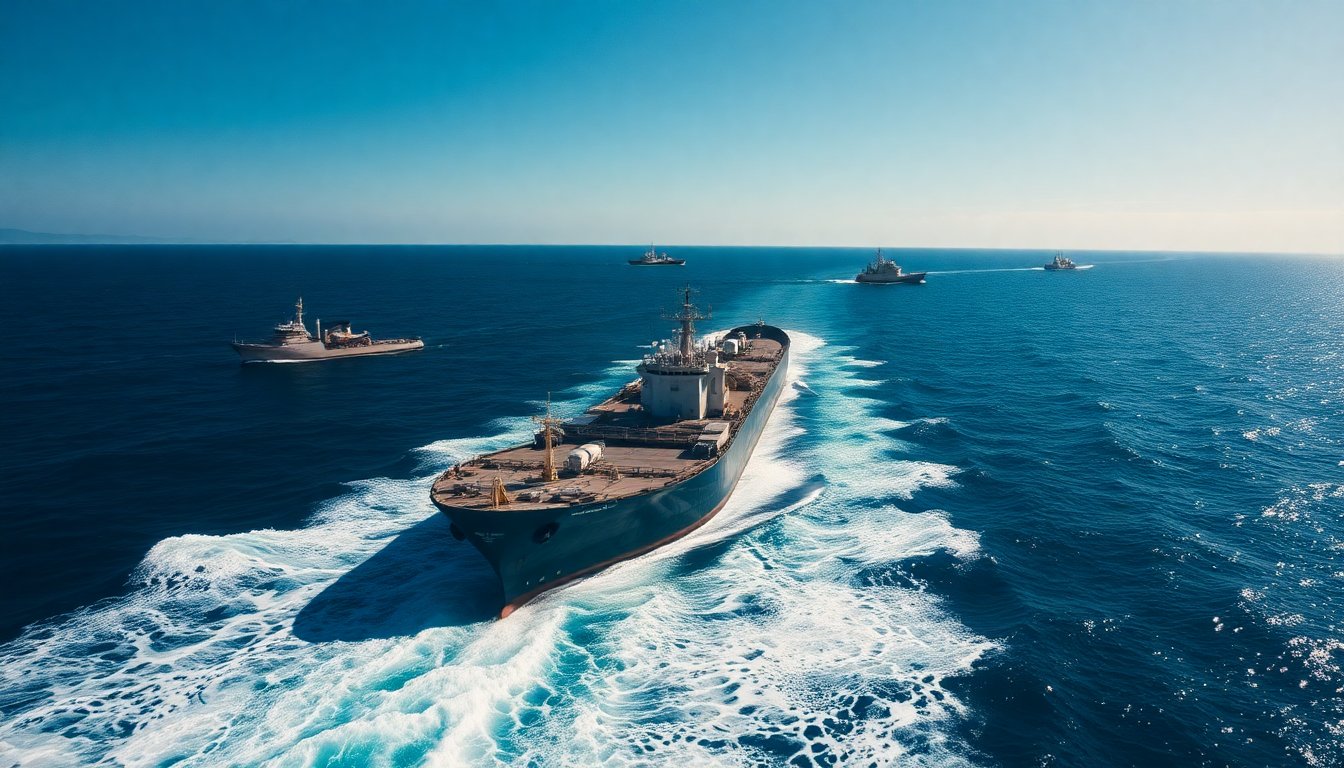
In a significant escalation of maritime enforcement, the United States Coast Guard seized an oil tanker in international waters off the coast of Venezuela. U.S. Homeland Security Secretary Kristi Noem confirmed the operation on Saturday, just days after President Donald Trump announced a blockade on sanctioned oil tankers linked to Venezuela. The vessel, identified as the Panama-flagged Centuries, represents a strategic initiative in the ongoing campaign against illicit oil movement in the region.
Details of the seizure operation
The operation took place during the early hours, showcasing a coordinated effort between the Coast Guard and the Department of Defense. Secretary Noem emphasized the seriousness of the situation, stating, “The United States will continue to pursue the illicit movement of sanctioned oil that funds narco-terrorism in the region. We will find you, and we will stop you.” This declaration highlights the U.S. commitment to addressing activities that undermine regional stability.
Background on the tanker and its implications
Maritime risk analysts report that the Centuries was intercepted east of Barbados in the Caribbean Sea. Legal experts, including Jeremy Paner from Hughes Hubbard & Reed LLP, emphasize that although the tanker is linked to Venezuelan waters, it has not been sanctioned by the United States. This situation raises questions about the legality of the seizure and its broader implications for U.S. foreign policy regarding Venezuela. The recent actions seem to contradict previous statements made by former President Trump about a blockade targeting only sanctioned vessels.
Impact on Venezuelan oil exports
The United States has intensified sanctions on Venezuelan oil exports since 2019. The recent seizure of the Centuries tanker follows a previous operation involving another sanctioned vessel. Consequently, Venezuelan oil shipments have declined noticeably, with many ships choosing to stay in local waters to evade capture. Analysts indicate that if the current embargo persists, the potential loss of nearly one million barrels per day could have a significant effect on global oil prices.
Venezuela’s response and the role of the shadow fleet
Venezuelan officials have condemned U.S. actions, describing them as acts of piracy. Diosdado Cabello, Venezuela’s Minister of the Interior, criticized the U.S. for allegedly stealing a private vessel and forcing the disappearance of its crew. This incident has given rise to a shadow fleet—a network of tankers that disguise their identities to evade sanctions. More than 70 oil tankers are currently operating in these waters, many involved in covert operations to transport crude oil from Venezuela without attracting U.S. scrutiny.
Geopolitical ramifications and future outlook
The increase in U.S. military presence aims to apply pressure on Nicolás Maduro‘s regime. This strategy involves a series of military interventions, leading to casualties and rising tensions in the region. The Trump administration has indicated the potential for land strikes against Venezuela, further complicating an already unstable situation. The risk of conflict over the world’s largest proven oil reserves remains a significant concern.
As the U.S. continues its sanctions and military actions, the global oil market is closely monitoring the situation. China, a major importer of Venezuelan oil, is particularly affected as international relations evolve rapidly. The implications extend beyond the directly involved nations, impacting global energy markets significantly.