
Table of Contents
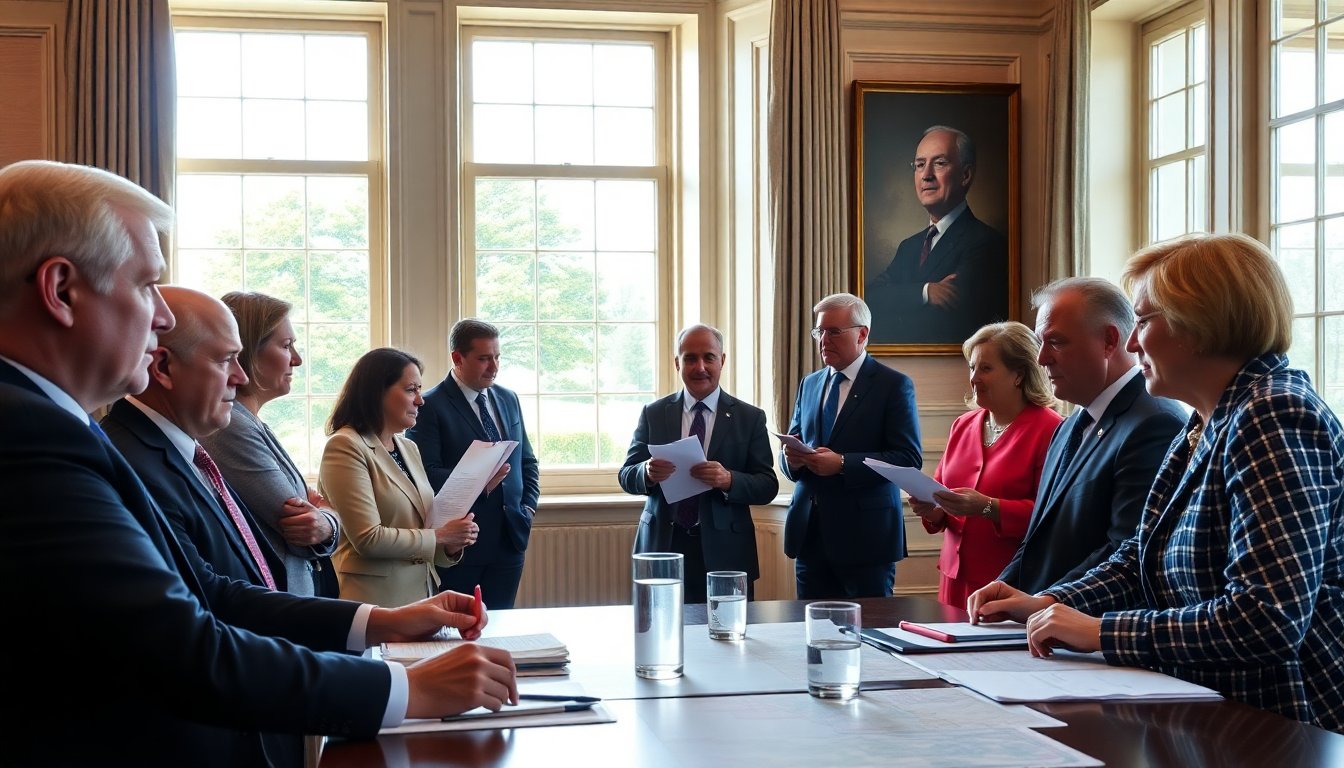
A bipartisan delegation from the U.S. Congress recently traveled to Denmark in a significant diplomatic mission. This visit followed President Donald Trump‘s contentious proposal to purchase or annex Greenland, an autonomous territory under Danish control. The lawmakers aimed to ease rising tensions and enhance understanding of Greenland’s political situation.
The delegation engaged in discussions with Danish officials, focusing on the implications of Trump’s intentions and the broader context of U.S.-Danish relations. Both sides exchanged insights on their historical ties and potential future collaborations in this unique geopolitical scenario.
Understanding Greenland’s importance
Greenland, although vast, has a small population of approximately 56,000 people. Its significance extends beyond geography; it is rich in natural resources, including minerals and potential oil reserves. Growing interest from various nations has emerged, particularly due to climate change and the melting polar ice, which could open new shipping routes.
The desire for influence over Greenland is not new. Historically, several nations have shown interest in the territory. However, the current international climate and Trump’s assertive diplomatic style have reignited discussions surrounding Greenland’s status. The delegation’s visit was timely and crucial in addressing these complex dynamics.
Diplomatic engagements and future prospects
During their visit, U.S. lawmakers engaged in meaningful dialogues with Danish political leaders, underscoring the importance of mutual respect and cooperation. Denmark has held sovereignty over Greenland since it became part of the Kingdom in 1814. The discussions emphasized the need to recognize Greenland’s self-governance and the rights of its inhabitants in any future negotiations.
Challenges and opportunities
A primary challenge for the delegation was addressing skepticism among Greenlanders regarding U.S. intentions. Many residents are concerned that resource pursuits could lead to environmental degradation and cultural erosion. The delegation acknowledged these fears and sought to assure locals that their voices would be integral to any discussions about the territory’s future.
Furthermore, the lawmakers explored potential avenues for collaboration that could benefit both Greenland and the U.S. They discussed opportunities for sustainable development, infrastructure investment, and climate change mitigation efforts. Such initiatives could foster goodwill and demonstrate a commitment to responsible stewardship of Greenland’s resources.
The visit by the U.S. Congress’ bipartisan delegation to Denmark served as a crucial step in navigating the complexities surrounding Greenland’s status. By promoting understanding and cooperation, the lawmakers aimed to ease tensions stemming from Trump’s acquisition ambitions. As international relations evolve, it is essential to consider the perspectives and rights of Greenland’s inhabitants while exploring potential partnerships that respect their sovereignty.
Looking ahead, the dialogue initiated during this visit may pave the way for a more collaborative and respectful relationship between the U.S. and Denmark, significantly impacting Greenland’s future amid global changes.