
Table of Contents
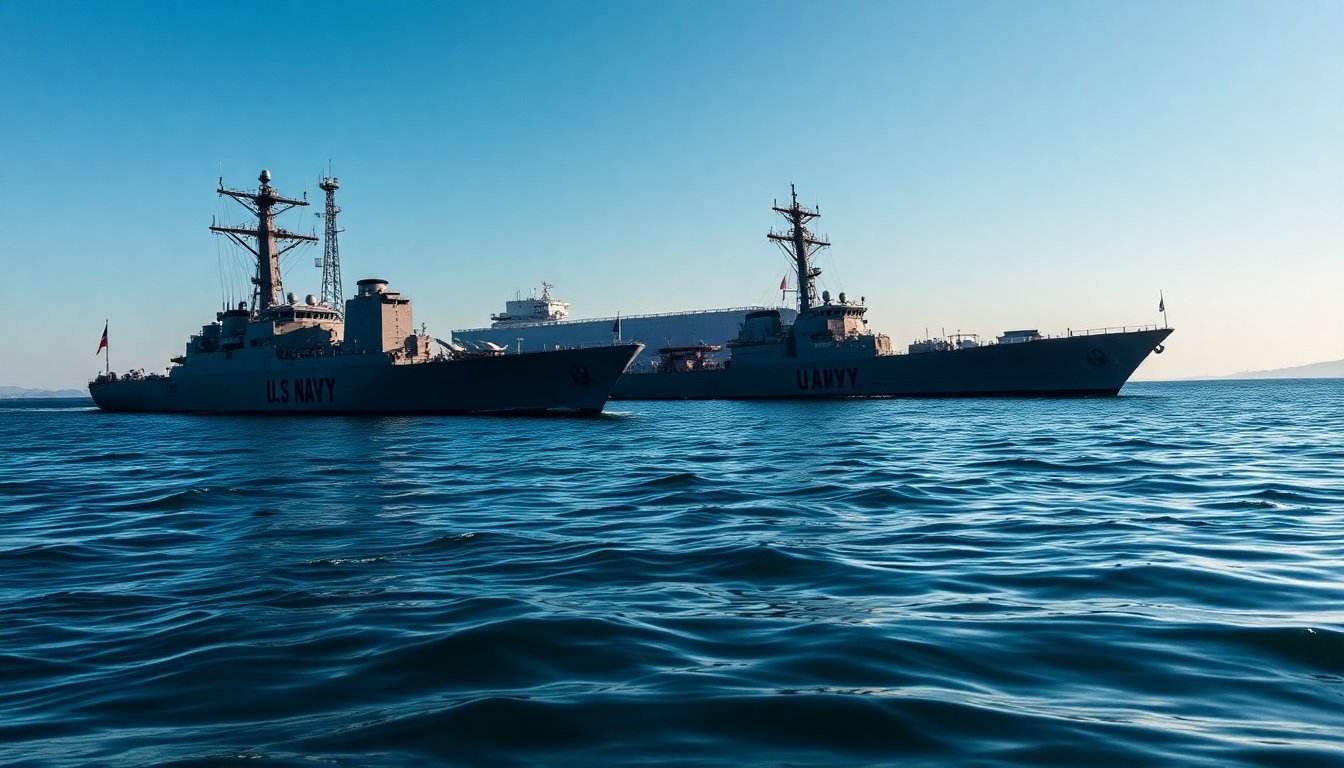
In a significant shift in military strategy, the U.S. military has escalated its maritime operations, particularly focusing on Venezuelan waters. Reports indicate the interception of two tankers earlier this month, a crucial development in U.S. efforts to confront President Nicolás Maduro and his administration. These actions are part of a larger strategy aimed at applying increased pressure on Venezuela amid its ongoing political instability.
Recent maritime interceptions
Recent weeks have seen a series of interceptions by U.S. naval forces off the coast of Venezuela. These tactical operations aim to disrupt the flow of resources to the Maduro government. The two seized tankers were reportedly engaged in transporting fuel, a critical commodity for an economy already facing severe shortages.
The economic impact on Venezuela
The implications of recent interceptions extend beyond immediate operational outcomes. By targeting fuel shipments, the U.S. seeks to intensify the economic challenges facing Venezuela. The country’s economy has been in decline for years, marked by hyperinflation and a collapse of public services. These actions could further impede the government’s ability to maintain control and provide essential necessities for its citizens.
Political consequences
The political landscape in Venezuela is already fraught with tension, and increased U.S. military involvement risks significant repercussions. Maduro’s administration consistently portrays U.S. actions as attempts to undermine Venezuela’s sovereignty. As tensions escalate, the likelihood of retaliatory measures from the Venezuelan government may increase, leading to a more volatile situation in the region.
International responses
The international community is closely monitoring developments in Venezuela. The United States presents itself as a champion of democracy and human rights. However, critics argue that U.S. interventions may further destabilize the region. Countries in the Latin American sphere express significant concern regarding the implications of U.S. military presence near their borders. The prospect of increased refugee flows and regional instability remains a pressing issue for neighboring nations.
The recent actions of the U.S. military, especially the interception of tankers off the coast of Venezuela, signify a notable escalation in efforts to apply pressure on the Maduro regime. As the situation evolves, the complex interplay of economic, political, and international factors will be crucial in shaping Venezuela’s future.