
Table of Contents
The recent events in Venezuela have taken a dramatic turn as a U.S. military operation resulted in the capture of President Nicolás Maduro. This operation, known as Operation Absolute Resolve, has not only led to high-profile arrests but also resulted in significant casualties, drawing global attention and condemnation.
As the Venezuelan government reported, the operation has claimed the lives of numerous individuals, with claims of up to 100 casualties, including military personnel. This operation has reignited discussions around U.S. interventionism and its implications for international relations.
Details of the operation
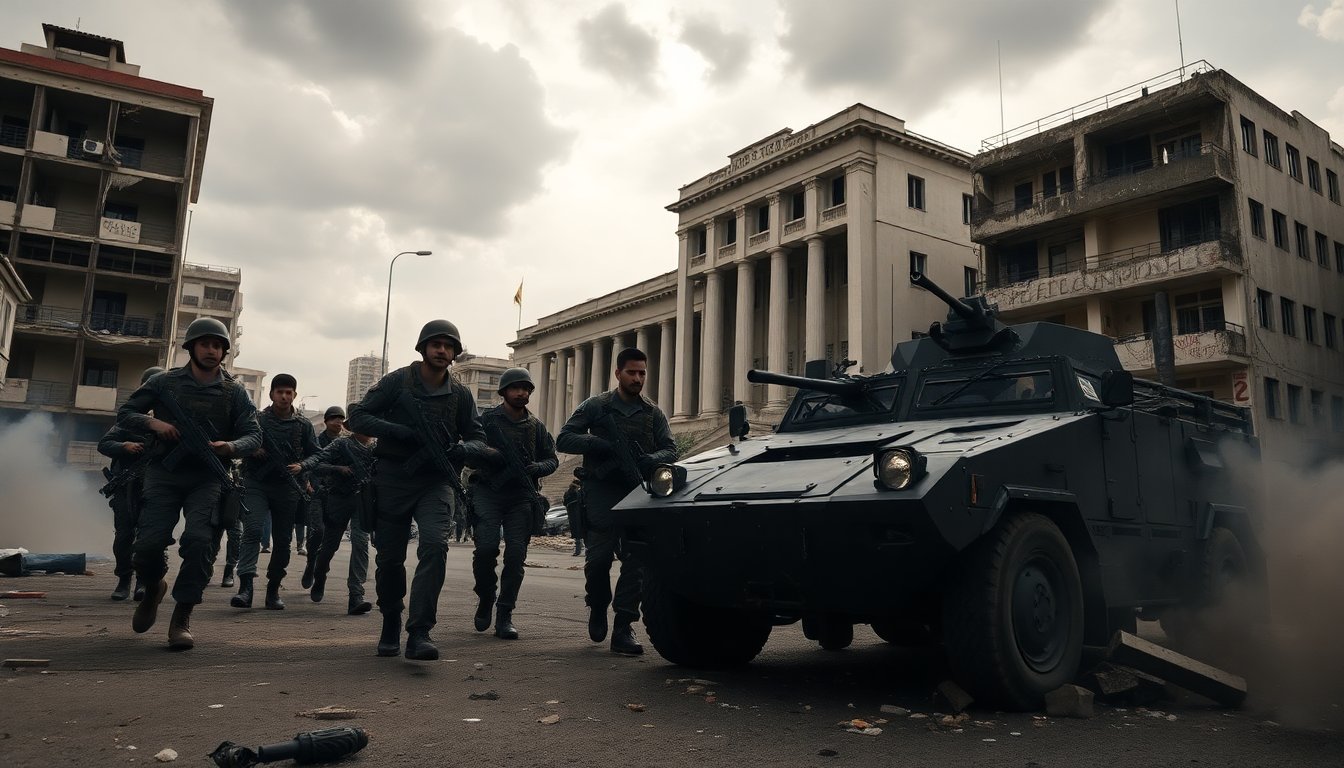
According to reports, the U.S. Navy and Delta Force were instrumental in executing the operation, which began with a series of calculated airstrikes aimed at disabling Venezuela’s military capabilities. The strikes targeted key locations in Caracas and other regions, causing widespread destruction and prompting a swift response from Venezuelan forces.
In a press conference, President Donald Trump hailed the operation as a demonstration of American military prowess, claiming it to be one of the most successful military endeavors in recent history. The operation was meticulously planned, with U.S. forces conducting extensive reconnaissance to ensure the success of the mission.
Casualties and international response
The aftermath of the operation has been grim, with the Venezuelan Interior Minister Diosdado Cabello announcing the deaths of 100 individuals, including 23 identified as military personnel. Reports from Cuba also confirmed that 32 members of their armed forces lost their lives during the operation, emphasizing the international ramifications of the U.S. military’s actions.
In light of these developments, Venezuela’s interim President Delcy Rodriguez declared a week of mourning to honor the fallen military members. The U.S. government, while acknowledging injuries among its troops—seven service members were reported wounded—maintains that the operation was executed with minimal casualties, underscoring the effectiveness of their military strategy.
Reactions from the international community
The global reaction to the U.S. operation has been polarized, with leaders and organizations expressing a range of opinions. Many countries have condemned the military action, labeling it as an act of aggression and interference in Venezuela’s sovereignty. The United Nations has raised questions regarding the legality of the strikes, given the significant civilian and military casualties.
In the United States, President Trump has emphasized the necessity of this operation as part of a broader strategy to combat drug trafficking and restore stability in Venezuela. However, critics argue that such military interventions could exacerbate tensions and lead to further instability in the region.
Future implications for Venezuela
The implications of this military operation extend beyond immediate casualties. The Venezuelan Supreme Court has now ordered Vice President Rodriguez to assume the role of acting president, a move seen as a response to the power vacuum created by Maduro’s capture. This transition raises questions about the future political landscape of Venezuela and the potential for further U.S. involvement.
President Trump has indicated that the U.S. will oversee the country until a new leadership is established, ensuring that Venezuela’s immense oil reserves are managed effectively. However, this plan has met with skepticism, particularly concerning the potential for military presence on the ground.
As the situation continues to evolve, the international community watches closely, weighing the consequences of U.S. actions and the future of Venezuelan governance.