
Table of Contents
The facts
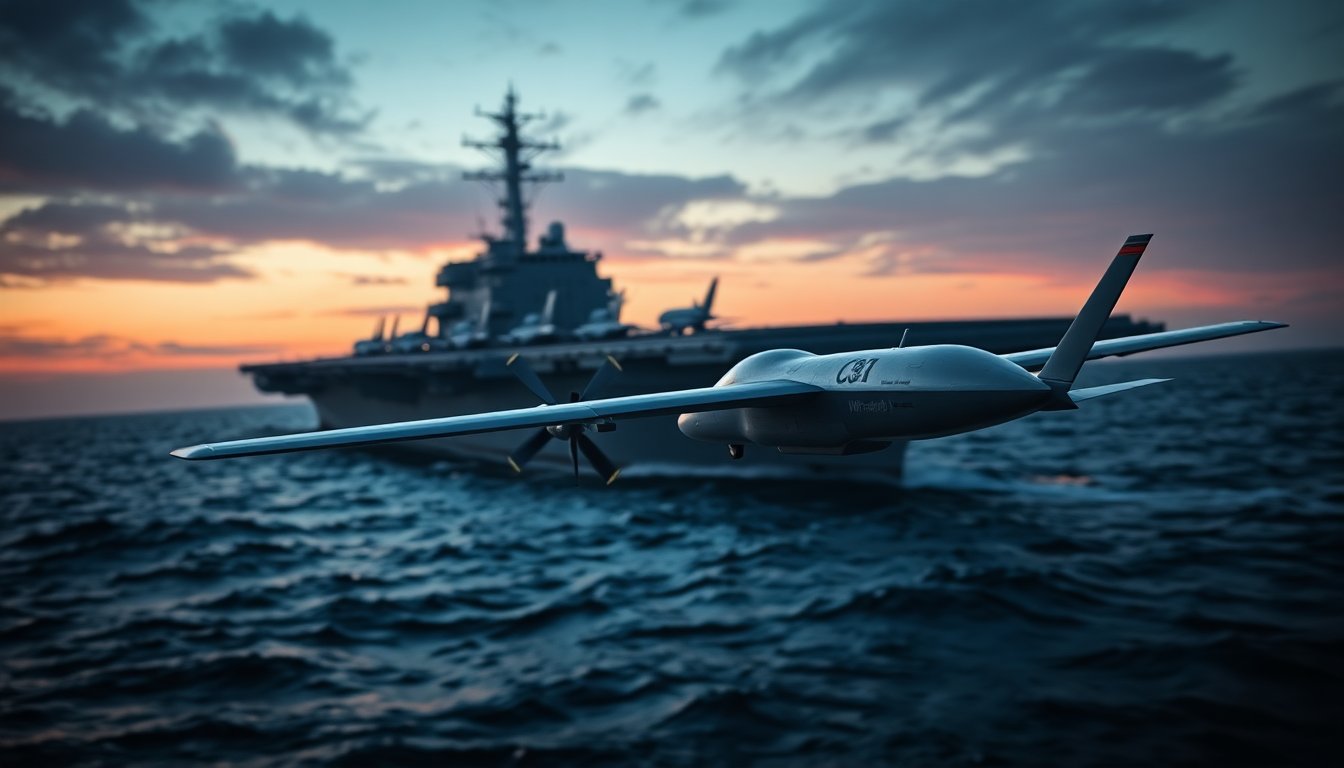
UPDATE AT 2026-02-04: In a significant display of military readiness, the United States has shot down an Iranian drone that approached the USS Abraham Lincoln, an aircraft carrier in the Middle East. Our reporters on scene confirm that this incident has heightened tensions between Washington and Tehran.
Growing tensions
Officials have described the drone’s maneuvers as aggressive, raising concerns about the potential for conflict. The presence of U.S. naval forces in the region has sparked fears, as diplomatic efforts seem to be at a standstill.
Escalating military presence in the region
UPDATE AT 2026-02-04: As tensions with Iran mount, the U.S. has increased its military presence in the Arabian Sea. The USS Abraham Lincoln, along with several destroyers, forms a strong naval task force, emphasizing America’s commitment to regional stability. Secretary of Defense Pete Hegseth confirmed that the military stands ready to follow any orders from the President, highlighting that military options remain viable.
Strategic military options under consideration
UPDATE AT 2026-02-04: Recent reports indicate that President Donald Trump is evaluating various military options in response to Iran’s nuclear ambitions. These options encompass potential strikes aimed at diminishing Iran’s nuclear and missile capabilities. Additionally, discussions include targeting prominent leadership figures, such as Supreme Leader Ayatollah Ali Khamenei.
The conversations imply a potential shift toward a more aggressive military posture. The Pentagon is reportedly contemplating a large-scale bombing campaign against Iranian facilities. This escalation reflects the growing urgency surrounding the situation in the region.
Diplomatic efforts falter
Despite ongoing diplomatic engagements, Iran remains resistant to U.S. demands. Key requests include halting uranium enrichment and relinquishing enriched uranium stockpiles. This impasse raises concerns about the potential for military confrontation. President Trump has conveyed a dual message to Iranian leaders: cease nuclear activities and stop the violent crackdown on protesters, which has reportedly resulted in thousands of deaths.
Potential consequences of military action
The ramifications of any military engagement with Iran could be profound. Experts warn that a military strike might provoke a wider conflict, potentially drawing in regional allies and escalating tensions beyond the Gulf region. Furthermore, such actions would significantly impact global oil markets and international diplomatic relations.
In addition to naval units, the U.S. has reportedly deployed additional air support to the region, including F-15E Strike Eagles stationed in Jordan. This enhanced military capability underscores the seriousness of the U.S. response strategy as it prepares for any eventualities stemming from Iranian aggression.
The facts
The current situation in the Middle East exemplifies the intricate balance of power and the delicate nature of international relations. As military assets are mobilized and diplomatic channels appear strained, the path forward remains uncertain. The global community watches closely, as the outcome of these tensions could reshape not only U.S.-Iran relations but also the broader geopolitical landscape of the region.