
Table of Contents
The recent military actions by the U.S. armed forces targeting vessels suspected of drug trafficking have raised concerns both domestically and internationally. A series of strikes in the eastern Pacific Ocean resulted in the deaths of eight individuals, with assertions that these vessels were linked to smuggling operations. As scrutiny mounts from Congress and the international community, the implications of these actions are becoming increasingly complex.
This escalation in military presence and operations in the region is part of a broader strategy associated with the U.S. government’s efforts to combat what it describes as narcoterrorism, particularly concerning the regime of Venezuelan President Nicolás Maduro. Ongoing clashes between the U.S. and Venezuela have intensified, with the U.S. military asserting its commitment to targeting alleged drug traffickers.
Military actions and their implications
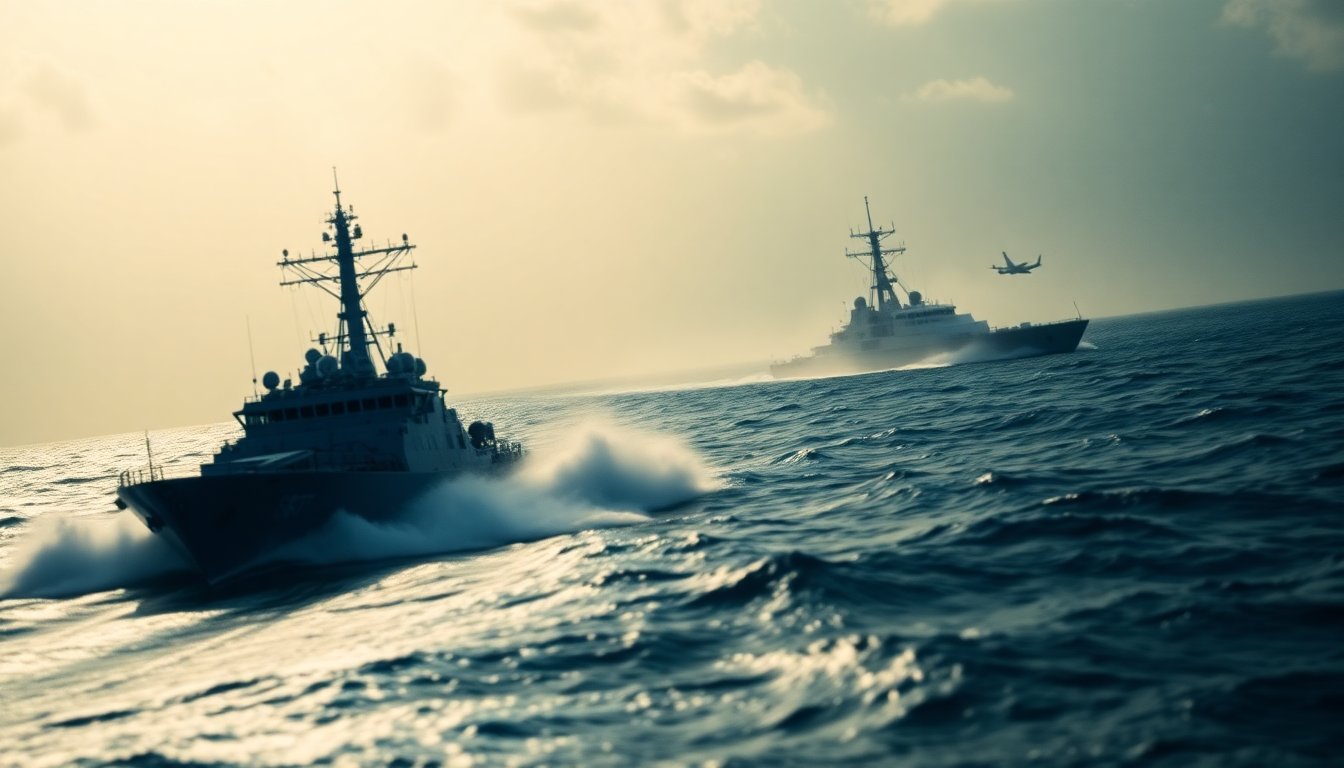
Since September, the U.S. military has significantly increased its activities in the Caribbean, marking one of the largest deployments of assets in the region in decades. This has included operations near Venezuela’s coast, viewed as a direct challenge to Maduro’s government. According to U.S. officials, these strikes are part of a larger fight against drug trafficking, equating it with a battle against terrorism.
Ties to Venezuelan criminal organizations
Officials from the Trump administration have publicly linked Maduro’s government to organized crime syndicates such as the Tren de Aragua and the Cartel de los Soles. In a significant move, the administration designated these groups as Foreign Terrorist Organizations (FTOs). This classification has faced skepticism from various security analysts, who argue that the intricate and decentralized nature of drug trafficking in Venezuela complicates the U.S. narrative.
Despite the U.S. government’s assertions, evidence suggesting that Venezuela plays a major role in the cocaine trade or serves as a significant transshipment point remains inconclusive. Experts indicate that the country may only account for a minor percentage of total narcotics trafficked into the U.S., raising questions about the justification for military interventions.
Legal and ethical challenges
As military strikes progress, concerns regarding their legality have emerged. International human rights experts have raised alarms about potential violations of international law, particularly regarding the use of force against non-state actors. There is also increasing pressure from Congress to review these military operations, especially concerning the executive branch’s authority to conduct strikes without explicit congressional approval.
Responses from the Venezuelan government
In response to the escalating military actions, the Venezuelan administration has mobilized over four million militia members, reinforcing its military capabilities. This move is seen as a direct counter to the perceived threat posed by U.S. naval operations and strikes. Moreover, tensions have been exacerbated by U.S. sanctions imposed on Venezuelan officials, including President Maduro, which the U.S. claims are necessary to combat the proliferation of illicit drugs.
As the situation unfolds, it remains to be seen how these military operations will influence the geopolitical landscape in Latin America. The Venezuelan government has expressed its readiness to confront U.S. military actions, positioning itself as a defender against foreign aggression. Meanwhile, the U.S. administration continues to assert that it is acting in self-defense and in defense of others against the ongoing threats posed by designated terrorist organizations.
The future of U.S. military engagement
The U.S. military’s recent operations have not only resulted in fatalities but have also created a complex web of diplomatic challenges that could have lasting repercussions. Calls for transparency and accountability regarding the strikes have intensified, as lawmakers demand clarity on the objectives and legal justifications for such actions.
With ongoing debates regarding the efficacy and legality of these military operations, the international community will closely monitor how the U.S. navigates its strategy against drug trafficking. The interplay between military action and diplomatic efforts will be critical in shaping future relations between the U.S. and Venezuela, as well as with other nations in the region.