
Table of Contents
In a surprising turn of events, President Donald Trump has announced the cancellation of a second anticipated military operation against Venezuela. This decision follows an unexpected show of cooperation from the Venezuelan government, particularly the release of numerous political prisoners, which Trump interprets as a step toward peace.
On his social media platform, Truth Social, Trump emphasized the significance of this cooperation, stating, “This is a very important and smart gesture. The USA and Venezuela are working well together, especially in the context of modernizing their oil and gas infrastructure.” His remarks came shortly after a US military operation aimed at capturing Venezuelan President Nicolás Maduro.
Shifts in US-Venezuela relations
In light of these developments, the political landscape between the US and Venezuela appears to be evolving. Trump expressed that the previously planned military actions are no longer necessary, though he maintained that all military assets would remain positioned for safety and security reasons. The president’s comments followed an interview on Fox News, where he hinted at Venezuelan opposition leader María Corina Machado’s upcoming visit to Washington. This is a stark contrast to his earlier dismissal of her as lacking support within her own country.
Trump indicated a warming relationship with the Venezuelan government, now led by acting interim President Delcy Rodríguez, a former deputy to Maduro. He articulated that the US is “getting along very well” with the current Venezuelan administration, reflecting a potential shift in diplomatic tactics.
Economic implications and oil investments
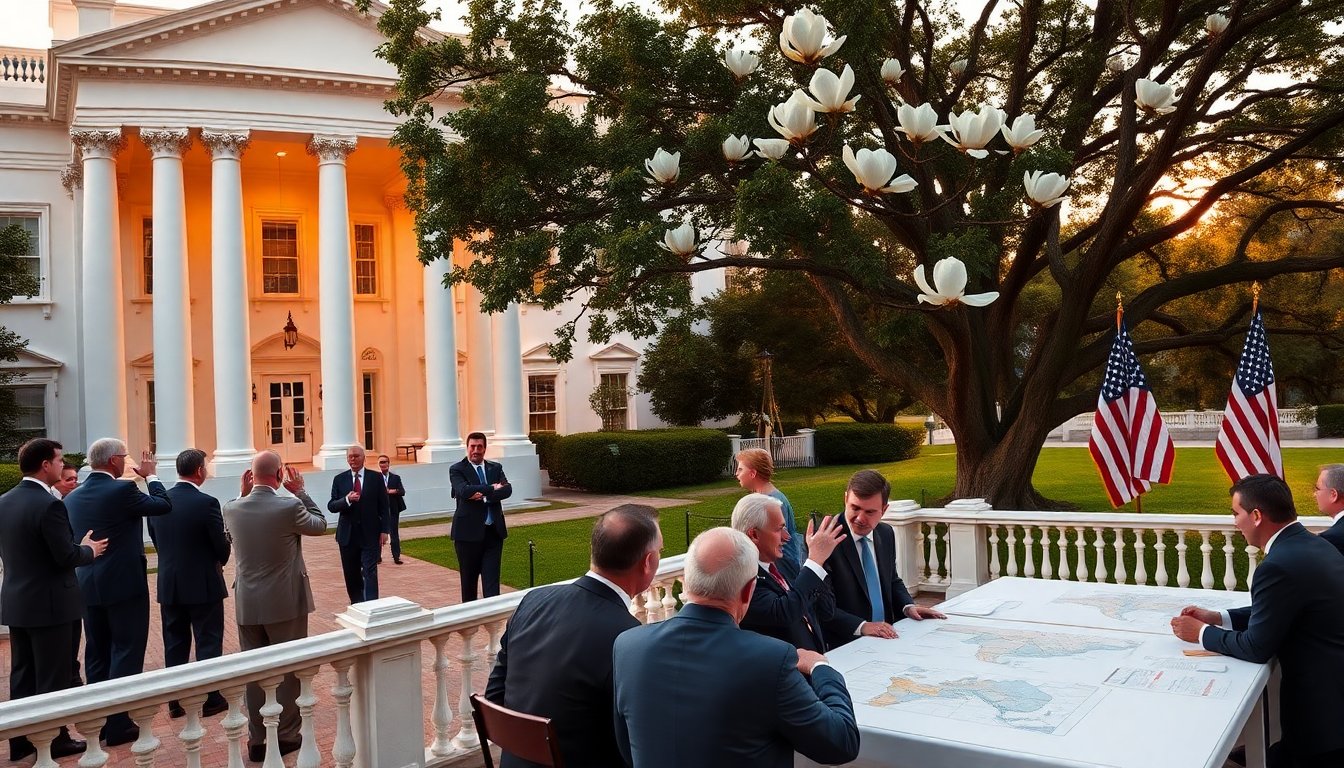
Simultaneously, Trump announced plans to convene oil executives at the White House, aiming to discuss the future of Venezuela’s oil industry. The meeting is expected to include leaders from major oil companies, who he claims will invest at least $100 billion in Venezuela. On Truth Social, he reiterated this commitment, signaling the importance of collaboration with these corporations to support his agenda for the country.
Venezuela, a country rich in oil reserves, holds about 20% of the world’s total reserves but has faced significant production challenges due to years of sanctions, mismanagement, and underinvestment. Currently, US company Chevron is the sole major player with a license to operate in the country, while others like Exxon Mobil and ConocoPhillips withdrew in 2007 due to disagreements with the Venezuelan government.
Political tensions and future prospects
While the Trump administration claims to have significant influence over Venezuela’s oil sector, the situation remains precarious. Rodríguez has asserted that her government retains control over the national oil company, even as negotiations with the US continue. The complexities of the situation are heightened by uncertainties surrounding Venezuela’s governance post-Maduro, particularly regarding security and the potential costs of revitalizing the oil production infrastructure.
Moreover, the implications of US actions extend beyond Venezuela’s borders. The fallout from Maduro’s ouster could severely impact Cuba, which has long relied on subsidized oil from Venezuela. The Cuban economy, already struggling, may face additional hardships as a result of decreased oil supplies, raising concerns among its citizens about worsening living conditions.
Reactions from the Venezuelan community
In the wake of the US military operation, the streets of Caracas appear subdued, reflecting a climate of fear and uncertainty. Many residents have reported a heavy presence of government security forces as they navigate the aftermath of the attack. While some citizens hope that this could signal the end of Maduro’s regime, others express anxiety over their future and the stability of the nation.
As the situation develops, Trump’s strategy towards Venezuela continues to unfold, balancing military considerations with economic opportunities. The coming weeks may reveal whether this approach yields a stable partnership or further complicates an already intricate geopolitical landscape.