
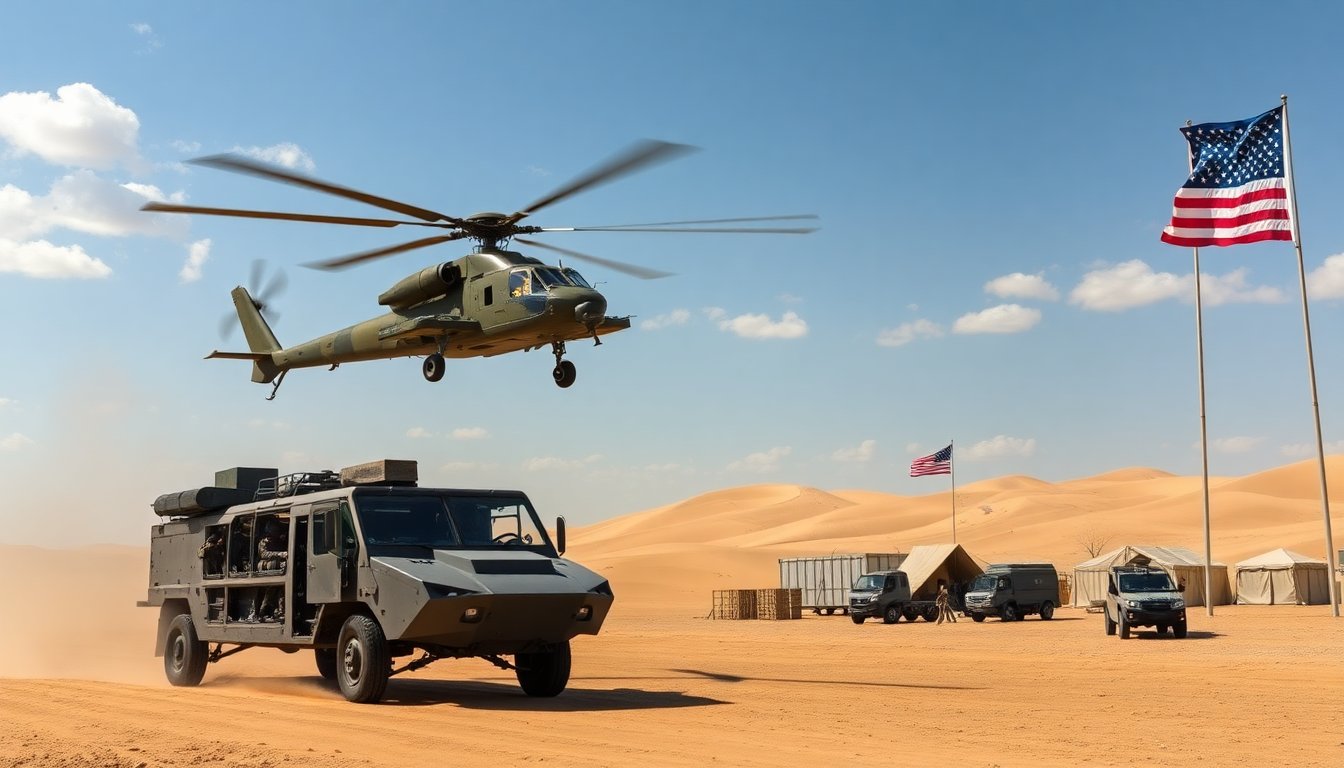
The geopolitical landscape of the Middle East is undergoing significant changes as the United States has announced substantial arms sales to bothIsraelandSaudi Arabia. Valued at nearly$16 billion, these transactions aim to enhance military capabilities amid rising tensions and security challenges in the region.
Details of the arms sales
As part of the approved sales, Israel will receive military hardware worth approximately$6.7 billion. This package includes 30Apache attack helicopters, known for their combat effectiveness. These advanced aircraft will improve Israel’s operational capabilities, enabling greater precision and efficiency in military engagements.
In addition,Saudi Arabiais set to acquirePatriot missile systemsvalued at approximately$9 billion. These missile defense systems are essential for the Kingdom, providing a formidable shield against potential threats, especially considering the aggressive stance of regional adversaries.
Strategic implications of the sales
The ramifications of these arms sales go beyond simple financial exchanges; they highlight a strategic commitment from the U.S. to sustain its influence in the Middle East. By bolstering the military capabilities of its allies, the U.S. seeks to deter aggression from hostile entities, particularly in a climate of heightened tensions.
The Iranian threat
One of the primary motivations for recent arms deals is the ongoing threat posed byIran. Despite significant losses in recent conflicts, Iran maintains a substantial arsenal ofballistic missiles, drones, and other advanced military equipment. Reports suggest that Iran possesses around2,000 medium-range missilescapable of targeting key locations, including Israel. Additionally, its short-range missiles and naval capabilities pose risks to U.S. interests in the region.
Military analysts emphasize that Iran’s missile inventory, particularly its short-range capabilities, enables it to launch attacks against U.S. bases and allied nations in the Gulf. This situation presents a challenge to current defensive measures, necessitating that the U.S. adapt its strategies to ensure the safety of its personnel and interests.
U.S. military positioning
In response to ongoing developments, the U.S. has enhanced its military presence in the region. The deployment of the USS Abraham Lincoln aircraft carrier, along with additional warplanes and missile defense systems, underscores a commitment to address potential threats from Iran. The U.S. military’s capacity for rapid mobilization remains a key aspect of its strategy, offering various options should conflict arise.
Operational readiness and challenges
However, the vast area that U.S. forces need to secure presents significant challenges. Unlike previous engagements that primarily focused on Israel, current circumstances require the defense of multiple bases across several countries, including Turkey and Kuwait. This extensive operational landscape demands a comprehensive and coordinated defense strategy to effectively manage resources and personnel.
Military experts warn that Iran is likely to target U.S. assets closest to its shores, employing its short-range missiles and drones to inflict damage on American bases and Gulf allies. The potential for a coordinated attack poses a significant challenge to U.S. defense capabilities, which must be prepared for a multi-faceted threat.
How it works
The U.S. arms sales to Israel and Saudi Arabia represent not only a financial investment but also a strategic maneuver in the complex tapestry of Middle Eastern politics. These sales enable these nations to bolster their defense systems, enhancing their capabilities against regional threats. The architecture is based on ensuring that these allies can effectively counter any Iranian aggression that may arise.
Pros and cons
The benefits of U.S. arms sales include strengthening alliances and deterring hostile actions from Iran. Benchmarks show that increased military readiness can lead to a more stable regional environment. However, critics argue that such actions may escalate tensions further, potentially leading to an arms race in the region.
Practical applications
These arms agreements are designed to enhance the operational capabilities of allied forces. For example, advanced missile defense systems can intercept threats before they reach their targets. This proactive stance contributes to the S. interests and those of its allies in the Gulf.
Market landscape
The ongoing geopolitical dynamics are influencing the arms market significantly. Countries in the region are seeking modern military technologies to address perceived threats. In the tech sector, it’s known that nations are investing in surveillance and drone technologies to gain an upper hand in military capabilities.
As these dynamics unfold, the international community will closely monitor the situation, anticipating how these developments will shape future geopolitical interactions. The implications of these arms sales extend beyond immediate military concerns and influence the broader political landscape in the Middle East.


