
Table of Contents
The recent actions taken by the United States regarding Venezuelan oil shipments mark a significant shift in the geopolitical landscape. Following the arrest of Venezuelan President Nicolás Maduro, the U.S. has implemented stringent measures that restrict oil exports, particularly targeting shipments to nations such as China and Cuba.
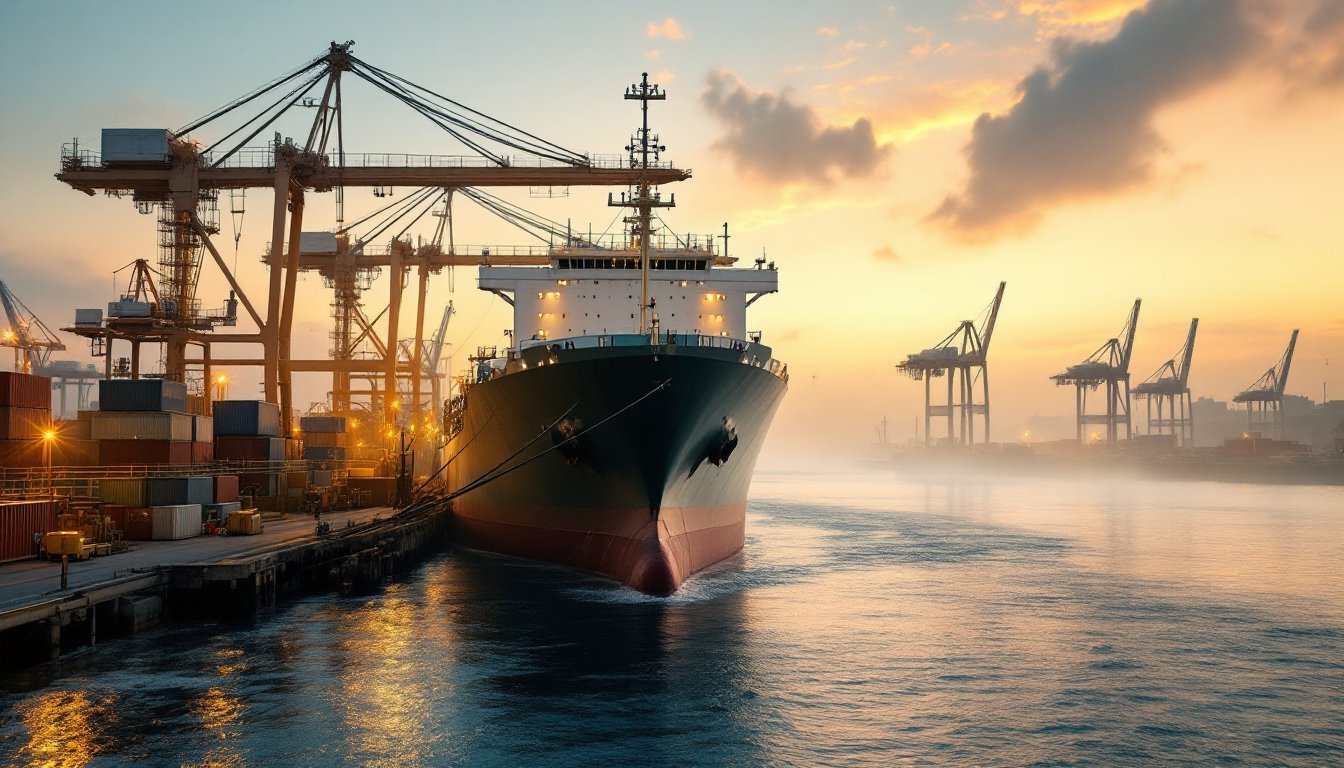
According to reports, the U.S. has filed for numerous court warrants aimed at seizing oil tankers linked to Venezuela’s oil trade. This strategy is part of a broader effort by the U.S. to gain dominance over oil resources in the region, which have been under Maduro’s control for years.
U.S. military actions and their implications
In a decisive move, the U.S. military, along with Coast Guard forces, has seized several vessels in international waters suspected of transporting Venezuelan oil. These operations represent a calculated approach to destabilize Maduro’s regime by crippling its primary revenue source. In recent weeks, five vessels have been intercepted, marking a significant escalation in U.S. strategy.
Legal framework for oil seizure
The U.S. government is leveraging civil forfeiture actions in district courts, primarily in Washington, D.C., to facilitate the confiscation of both oil cargoes and vessels involved in the Venezuelan oil trade. While the exact number of warrants filed remains undisclosed, sources suggest that dozens have been submitted to the courts.
These legal maneuvers provide the U.S. with a framework to act against vessels that are part of a so-called “shadow fleet.” This fleet consists of ships that often conceal their origins to transport oil from sanctioned countries like Iran and Venezuela. The U.S. has previously imposed sanctions on numerous vessels for their role in facilitating these oil trades.
Impact on Cuba and broader implications
Cuba, historically reliant on Venezuelan oil, now faces a precarious situation as shipments have drastically reduced. The U.S. blockade, coupled with the recent political upheaval in Venezuela, has left Cuba navigating a looming crisis. The last significant oil shipment to Cuba occurred in mid-December, leaving the island nation bracing for the fallout.
Energy crisis looming in Cuba
Experts predict a catastrophic energy crisis in Cuba, as the country’s oil supply from Venezuela—previously providing approximately one-third of its daily needs—has dwindled significantly. With no immediate alternatives in sight, the Cuban population faces ongoing shortages of fuel, electricity, and basic necessities.
A prominent energy researcher has stated that without the resumption of Venezuelan oil exports, the outlook for Cuba is grim. The socio-economic implications of this energy crisis are likely to be profound, affecting daily life and the government’s capacity to maintain order.
Geopolitical consequences
The U.S. measures against Venezuela not only target the oil sector but also aim to undermine the political stability of regimes that align with Maduro. As President Trump intensifies his rhetoric against both Venezuela and Cuba, expectations grow that these actions will lead to significant political shifts in the region.
Trump has openly expressed his hope that the situation in Venezuela could pressure Cuba to negotiate terms favorable to U.S. interests. Talks of a potential deal are critical, as the balance of power in the Caribbean could shift dramatically based on the outcome of these geopolitical maneuvers.
According to reports, the U.S. has filed for numerous court warrants aimed at seizing oil tankers linked to Venezuela’s oil trade. This strategy is part of a broader effort by the U.S. to gain dominance over oil resources in the region, which have been under Maduro’s control for years.0