
Table of Contents
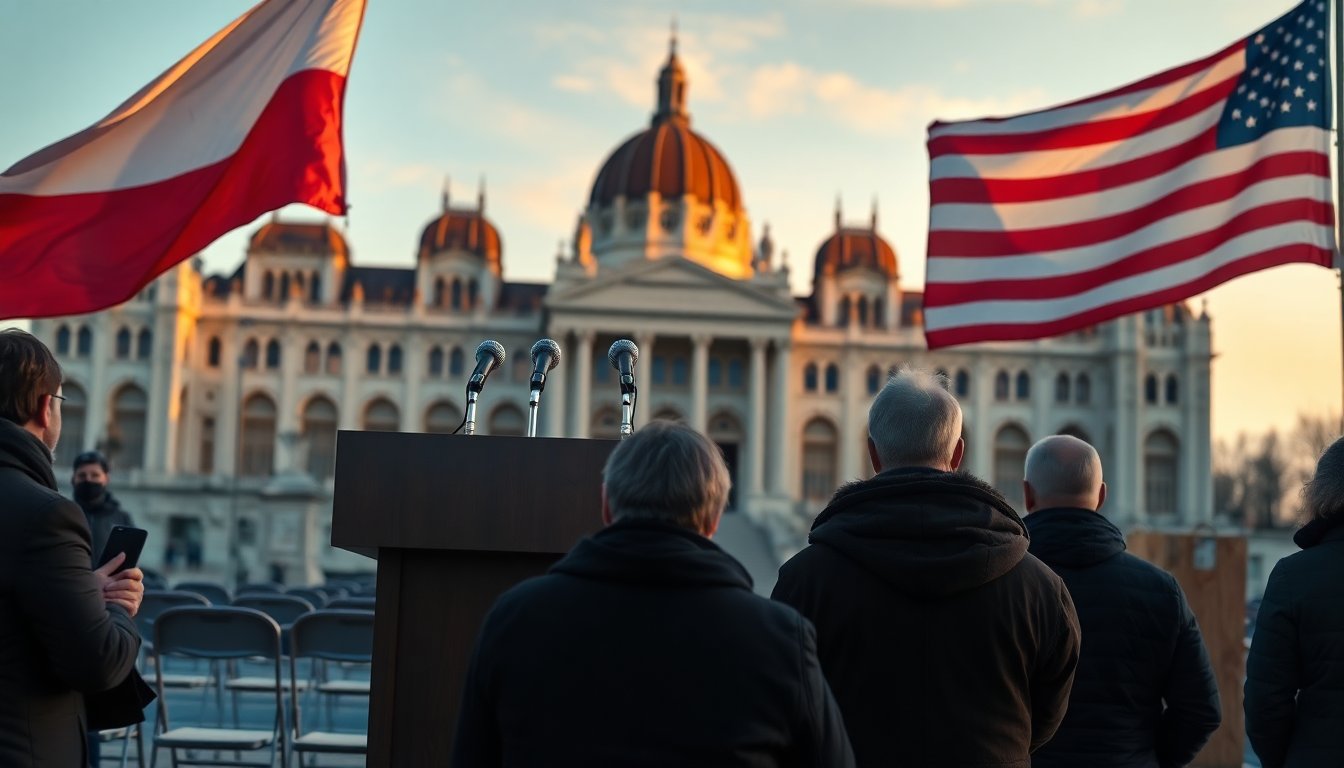
The United States’ public show of support for Hungarian prime minister Viktor Orban came during a high-profile visit by Senator Marco Rubio to Budapest. Rubio emphasized Washington’s interest in a friendly and stable Hungary, explicitly linking that goal to Orban remaining in power. His remarks arrived as Hungary prepares for a consequential parliamentary election and as regional tensions—driven by the war in Ukraine and energy disruptions—remain high.
At the same time, developments elsewhere in Europe and beyond feed into the wider strategic picture: Kyiv has warned of a looming Russian assault on infrastructure, diplomatic delegations were set to convene in Geneva for trilateral talks, and neighboring countries negotiated emergency routes for oil deliveries after pipeline interruptions. Together, these threads frame both immediate electoral politics in Budapest and longer-term debates over security and energy policy.
Rubio’s message and the electoral context
During the visit, Rubio portrayed the bilateral relationship as entering a new phase, courteously framing American interests as aligned with Orban’s continuation as prime minister. He suggested the current US administration values the personal rapport it has developed with Orban, saying the president is “strongly committed” to Budapest’s success. That endorsement carries weight because Orban is one of the most prominent conservative leaders in Europe and has cultivated close ties with Vladimir Putin, raising concerns among critics about Hungary’s stance on Russia.
What this means for hungary’s election
The senator’s comments could be read as signaling that Washington prefers continuity in Budapest, a message that may influence domestic voters and international observers. For Orban’s opponents, the endorsement may stiffen resistance to his brand of politics, while his supporters will likely point to such backing as evidence of Hungary’s strategic importance. Either way, the timing—close to a parliamentary vote—makes Rubio’s remarks politically potent.
Energy disputes and regional fallout
Energy has become a flashpoint in the region. A disruption along a major pipeline routed through Ukraine halted flows of Russian oil to parts of Eastern Europe. Hungary and Slovakia, both reliant on piped Russian supplies and holding temporary exemptions from EU sanctions, sought to reroute shipments through Croatia’s Adria pipeline. Croatian officials indicated possible cooperation, while Kyiv and Budapest traded public accusations about who was responsible for the outage.
Implications for energy security
These maneuvers reveal how energy logistics intersect with politics. Hungary’s appeal to transit oil by sea reflects a pragmatic approach to keeping refineries supplied, but it also underscores the wider dilemma facing European capitals: balancing sanctions aimed at weakening Russia with the immediate need to secure national energy supplies. The episode amplified debates about whether energy choices should be subordinated to ideological or geopolitical aims.
Ukraine, diplomacy and wider security concerns
Across the border, Ukrainian President Volodymyr Zelenskyy publicly urged allies to accelerate deliveries of air defense missiles, warning that Moscow was preparing “massive” strikes targeting energy infrastructure. Those comments came ahead of trilateral discussions in Geneva involving Ukrainian, Russian and US delegations. Russian participants were expected to include senior Kremlin aides and military intelligence figures, with additional economic envoys joining working groups.
The diplomatic track exists alongside grim battlefield and political developments: accusations about attacks on pipeline infrastructure, reports that foreign fighters have been honored by other states, and international condemnations over the treatment of political prisoners inside Russia. Together, these episodes feed a sense of instability that complicates peacemaking and raises questions about how steadfast major partners will remain in supporting Ukraine.
Europe’s defense choices
Anticipating a more uncertain security environment, analysts and military leaders in western capitals are debating significant increases in defense spending and capability-building. Some commentators argue Europe has moved past a long “peace dividend” and now faces “era-defining” fiscal and political choices about how to prioritize defense versus domestic programs—a debate that is likely to intensify if transatlantic ties are perceived as less predictable.
In sum, Rubio’s public support for Orban is not an isolated diplomatic courtesy; it intersects with pressing questions about energy resilience, Ukraine’s urgent security needs, and how European governments will balance domestic priorities with defence commitments. The coming weeks of campaigning in Budapest, diplomacy in Geneva and tactical shifts across the region will help determine whether those converging pressures bring greater cooperation or heighten division.