
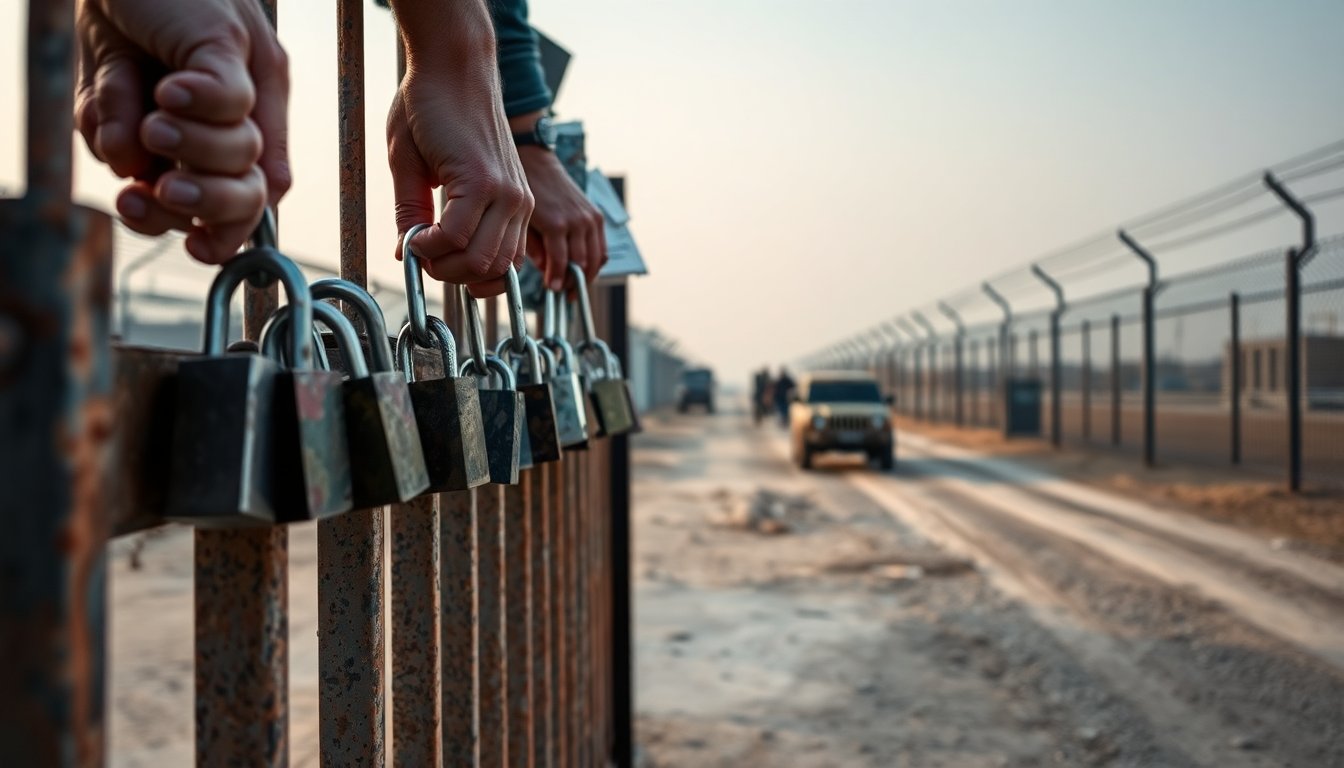
The U.S. pullback from northeastern Syria has coincided with a series of detention-site handovers that experts warn could widen regional security risks. On February 13, 2026, reports said transfers of suspected ISIS detainees were completed even as Washington moved to wind down its mission. Those movements came as Damascus undergoes a political shift and custody of several camps passed into new hands — a change with practical and perilous consequences.
Why these transfers matter
A transfer is not just paperwork. When responsibility for a detention site changes, so does control over intelligence, gatekeeping, and accountability. New custodians bring different protocols, capabilities and priorities. That creates immediate questions: who will secure the camps, who will track escapees or released fighters, and what role will states and international organisations play in preventing a resurgence of extremist networks?
Gaps in continuity and capability
U.S. officials say the drawdown was planned, but observers worry the handovers were too rapid to preserve continuity. Breaks in custody chains can interrupt intelligence collection, complicate prosecutions and make it harder to monitor networks. When personnel, databases and established procedures transfer unevenly from one authority to another, the risk of slips — from administrative errors to coordinated breakouts — rises.
A patchwork of oversight
Responsibility now rests with a mix of local security forces, UN monitors and NGOs, and, increasingly, Syrian state institutions. That mosaic produces inconsistent standards: some sites may have secure registries and vetted staff, while others lack basic record-keeping or reliable detention protocols. The result is a web of blind spots where humanitarian objectives, local politics and counterterrorism needs don’t line up.
Who’s involved and what’s happening on the ground
– Actors: detainees and their families, Kurdish-led forces who previously ran many sites, local security units, UN teams, humanitarian organisations and Damascus-based institutions now assuming greater control. – Trends: a small number of releases and reported escapes have accompanied the transfers. Some detainees have returned to their countries of origin, sparking concern in Europe and neighbouring states. – Conditions: security and management arrangements vary widely from site to site, producing inconsistent custody and monitoring standards. – Stakes: even a modest flow of experienced militants or recruiters can jump-start local networks and destabilise fragile communities. Young people raised in camps, exposed to extremist messages for years, pose a long-term challenge if rehabilitation and education are neglected.
Immediate priorities
Analysts outline three urgent steps: re-establish clear command structures inside each camp to avoid fragmentation; expand coordinated intelligence-sharing between local and international actors; and scale targeted deradicalisation and youth rehabilitation programs. These are practical measures that can reduce the chances of recidivism and curtail recruitment pipelines before they regain momentum.
Operational nuts and bolts
Solutions are often mundane but crucial: secure transfer protocols, reliable detainee registries, thorough vetting of humanitarian staff, and prompt, transparent reporting of custody lapses. Strengthening these basics helps downstream partners — European law enforcement, migration authorities and neighbouring countries — make informed decisions and respond quickly when problems arise.
Political shifts and regional ripple effects
The emergence of Ahmed al-Sharaa as an interim figure in Damascus has prompted cautious outreach from some Western capitals and deep scepticism across the region. Syrian efforts to centralise armed groups and operations in minority areas have heightened mistrust among neighbours. Israel, for example, has framed recent moves through a security lens and reinforced positions along the northern frontier, including north of the Golan Heights and on Mount Hermon.
A lost layer of local knowledge
When Kurdish forces stepped back from front-line duties, they took with them trained teams who had the local networks and intelligence reach to manage camps effectively. International agencies have filled parts of that gap, but they often lack the granular human intelligence and long-term presence that deter organised escape attempts and detect nascent extremist cells. That erosion of local capacity raises the risk of clandestine reconstitution and radicalisation among adolescents reaching adulthood in the camps.
What happens next matters
The handovers have reshaped who watches the gates and who holds the paperwork — but the most consequential shifts will be invisible: broken information flows, unfinished vetting, and young people drifting without education or rehabilitation. Addressing those weaknesses will take coordinated political will, funding and operational discipline. Without them, the region could face a steady, quiet uptick in risks rather than a single dramatic blow-up.