
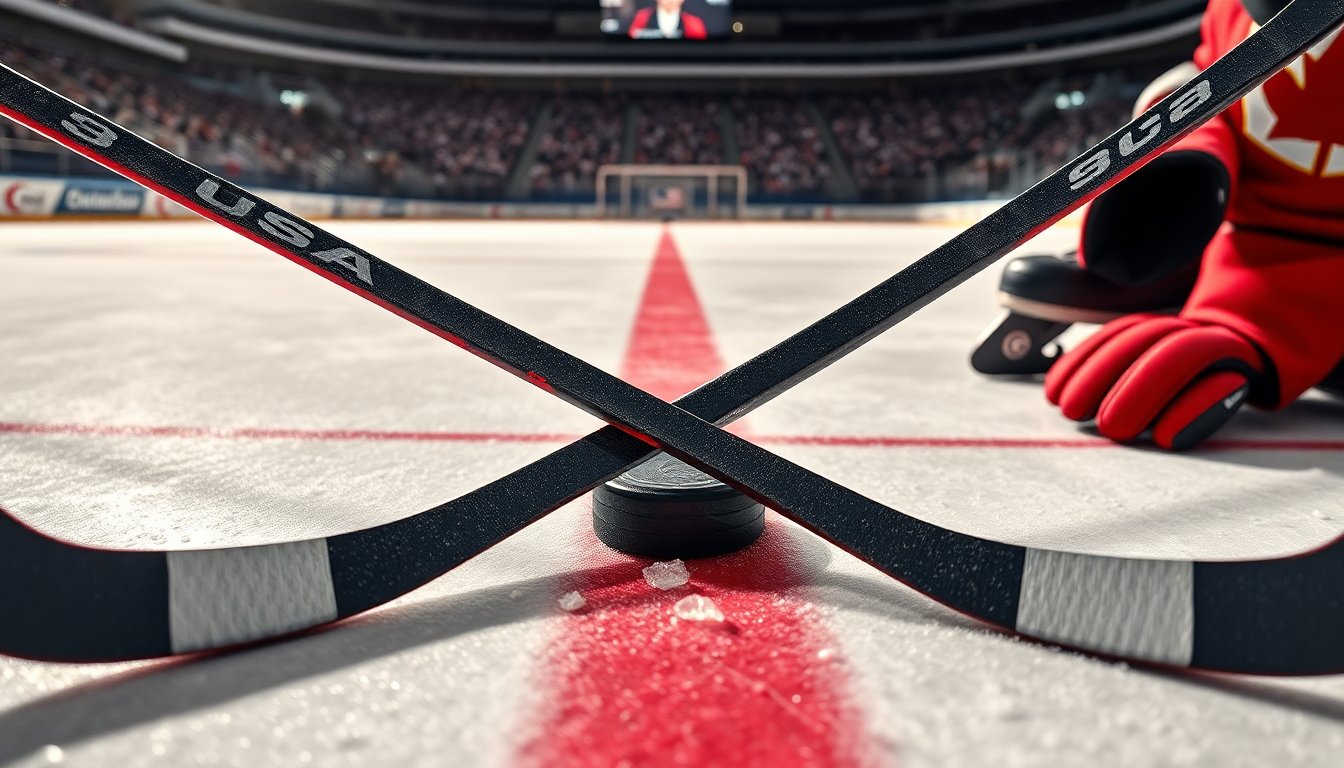
Milano Cortina 2026 has delivered the sort of headline the hockey world lives for: an Olympic final pitting the United States against Canada. Two neighbours, decades of shared history and an intensity that mixes national pride with pure sporting rivalry. Add back active NHL players for the first time in twelve years and the stakes feel athletic, emotional and historic all at once.
Why this final matters
This game is more than a trophy on the line. It’s a clash of philosophies: U.S. teams tend to lean on tenacity, physicality and fast transition play, while Canada brings enormous depth, creative playmaking and a knack for finishing chances. The winner won’t just take gold; they’ll shape stories that travel from junior rinks to the NHL locker rooms. For the United States, victory would snap a 46‑year Olympic men’s gold drought dating to 1980. For Canada, another title would confirm the pipeline work and development strategies that have produced consistent success.
Star power and the fine margins
With NHL talent in the mix, coaches can rely on established playmakers while still finding room for rising stars. That creates a subtle game of resource management: who gets prime minutes, who absorbs the difficult matchups, and how to balance veteran ice time with younger legs. Expect the contest to hinge on tiny advantages — a moment of special‑teams brilliance, a clutch save, or a late tactical tweak. Power plays, penalty kills and netminding will almost certainly decide the outcome.
Players to watch
Both rosters read like NHL stat sheets. For the U.S., Jack Eichel brings finishing ability and power‑play savvy; Quinn Hughes offers elite puck movement and quick transitions from the back end. Canada counters with players designed to break coverages: Connor McDavid’s vision and speed are always a threat, and Macklin Celebrini adds youthful unpredictability and scoring touch. Still, games like this are often won by the unsung contributors — the grinders who win board battles, the penalty killers who clog lanes, and the forward who makes the right simple play at the right time.
Goaltending and special teams as swing factors
In evenly matched showdowns, a single power‑play conversion or a timely save can flip momentum. Both camps will spend the week dissecting opponents’ special teams, drilling lane discipline on the kill, rehearsing puck retrievals at the blue line and adding wrinkles to power‑play sets. The side that executes under pressure — converting opportunities and denying high‑danger chances — will be the one holding the trophy.
Behind the scenes: logistics and preparation
Getting NHL players to the Olympics isn’t as simple as sending invitations. Federations, the NHL and the IOC had to work through release windows, insurance and player welfare long before puck drop. Those arrangements matter beyond paperwork: last‑minute withdrawals, eligibility confusion or administrative hiccups can force awkward line changes and sap chemistry. Off‑ice staff — managers, medical teams and even legal advisers — will be as integral to success as coaches and trainers.
What a win would leave behind
The ripple effects from this game will extend well past the medal ceremony. A U.S. gold could be a watershed moment: spikes in youth enrollments, renewed media focus, and new investment in rinks and coaching programs. For Canada, another triumph would validate years of planning and reassure stakeholders that their development model is working. Either result will create fresh role models, boost grassroots recruitment and shape young players’ sense of what’s possible.
How federations, clubs and sponsors should respond
Expect rapid reactions. Local clubs and academies should prepare for increased interest in registrations and look to scale coaching capacity. Sponsors may shift resources toward grassroots initiatives or elite development pathways. Broadcasters will seize narrative threads and repackage player stories for extended coverage. The smartest federations will use the moment strategically: expand coach education, improve access to ice time in underserved areas, and set measurable goals to sustain momentum beyond the headlines.
Tactics and micro‑management
This final will be won in small, often invisible ways. Coaches will obsess over matchups: how to neutralize a top line, where to attack a suspect pairing, and who should take pivotal late‑game faceoffs. Tournament pacing matters, too — managing fatigue, discipline and the thin margins that come with back‑to‑back high‑intensity games. Expect more in‑game adjustments and period‑to‑period chess than sweeping strategic overhauls.
Preparing for the unpredictable
Sport is unreliable by nature. Injuries, sudden pullouts or eligibility problems can overturn plans in an instant. That’s why depth is priceless; teams with dependable backups at center, on the blue line and in net can absorb shocks and adapt. Clear communication with clubs and transparent timelines reduce the chance of public disputes and help the squad stay focused where it counts — on the ice.
Why this final matters
This game is more than a trophy on the line. It’s a clash of philosophies: U.S. teams tend to lean on tenacity, physicality and fast transition play, while Canada brings enormous depth, creative playmaking and a knack for finishing chances. The winner won’t just take gold; they’ll shape stories that travel from junior rinks to the NHL locker rooms. For the United States, victory would snap a 46‑year Olympic men’s gold drought dating to 1980. For Canada, another title would confirm the pipeline work and development strategies that have produced consistent success.0