
Table of Contents
USS Abraham Lincoln carrier strike group departs for Middle East amid Iranian unrest
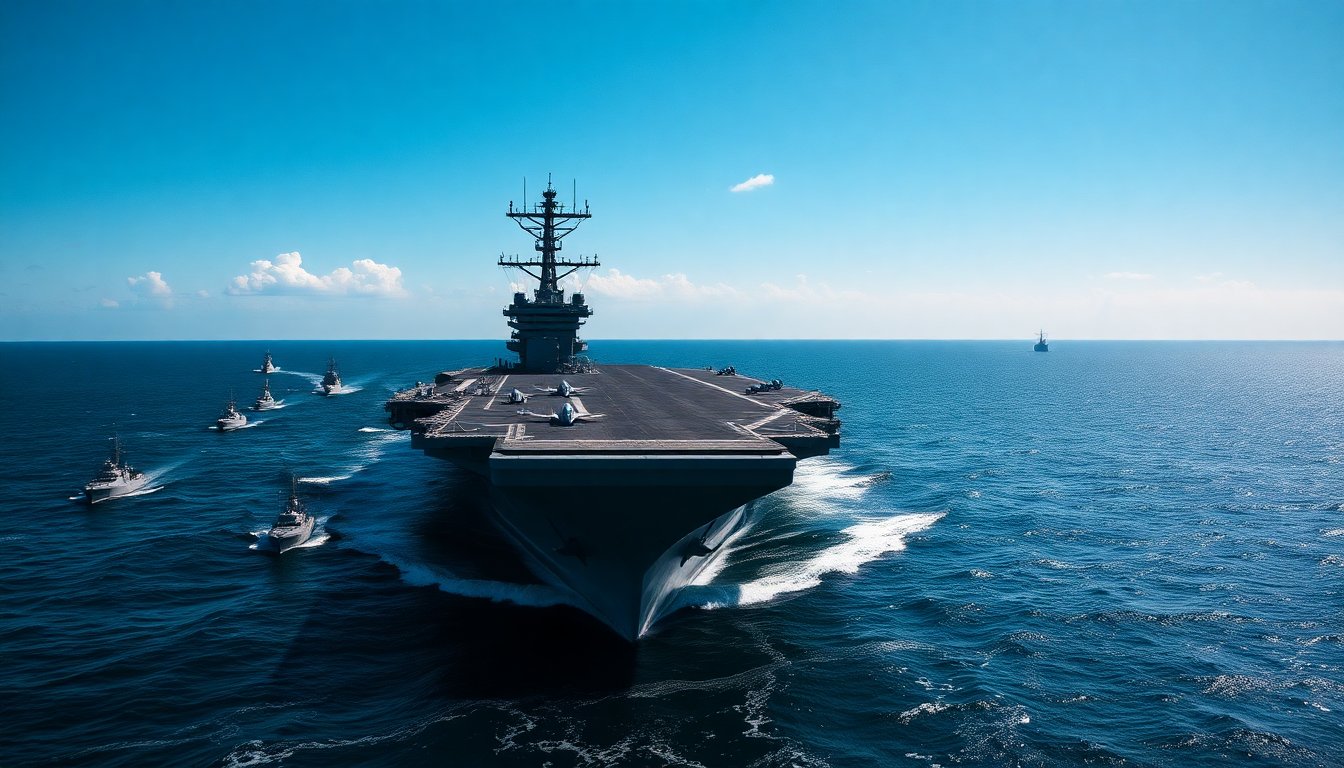
In a significant military maneuver, the USS Abraham Lincoln carrier strike group has departed from the South China Sea, heading towards the Middle East. This movement responds to escalating unrest within Iran, where protests against the government have intensified.
According to reports from NewsNation and various defense officials, the Pentagon made this decision to ensure readiness in the face of potential threats. These threats include Iran’s nuclear ambitions and its regional activities.
Deployment details and implications
The carrier group, comprising the Nimitz-class aircraft carrier and three Arleigh Burke-class guided-missile destroyers, has been conducting routine operations in the South China Sea. These operations include live-fire drills and flight exercises involving the F-35C. The transition to the Middle East is anticipated to take about a week, with the strike group expected to be within the U.S. Central Command area of responsibility by late January. This deployment is significant, as there are currently no other U.S. carrier groups in the region, highlighting a critical gap in naval presence.
Strategic readiness and regional tensions
Analysts interpret the recent military redeployment as a preparation for prolonged operations, not merely a symbolic gesture. This assessment is supported by the deployment of additional military assets in the region. For instance, Tomahawk-equipped destroyers are already positioned in the Persian Gulf, alongside long-range B-2 bombers that can be rapidly mobilized. These arrangements suggest that the U.S. is poised for immediate action if it decides to counter any aggressive maneuvers from Iran, reminiscent of previous operations targeting Iranian nuclear facilities.
Understanding the military context
As internal protests in Iran escalate, the Pentagon has warned of potential U.S. intervention if the government’s response intensifies. The repositioning of the Lincoln carrier strike group is part of a larger strategy to ensure military readiness and deterrence in a volatile region.
Challenges of extended deployments
Currently, the USS Gerald R. Ford carrier strike group is stationed in the Southern Command region. Navy leadership has raised concerns regarding the prolonged deployment of naval ships. Adm. Daryl Caudle, the Chief of Naval Operations, highlighted the strain that extended missions impose on both personnel and equipment. He stated that deployments exceeding planned durations disrupt sailors’ lives and hinder maintenance schedules for the fleet.
The high operational tempo raises concerns regarding the readiness of the Ford strike group, which has been deployed at sea for over 200 days. Extended deployments may impact ship maintenance and operational capabilities, potentially limiting the Navy’s ability to project power effectively in future engagements.
Deployment shifts and regional implications
The relocation of the USS Abraham Lincoln carrier strike group from the South China Sea to the Middle East underscores a significant response to escalating tensions involving Iran. As the U.S. military prepares for various scenarios in the region, the emphasis remains on maintaining a strong naval presence to deter aggression and ensure stability.
Current unrest in Iran and the strategic significance of this area illustrate the fluid nature of military operations. This deployment not only reflects the challenges faced by the Navy but also highlights the necessity for adaptability within U.S. foreign policy. The ongoing situation in the Middle East necessitates a vigilant approach to safeguard U.S. interests and regional security.