
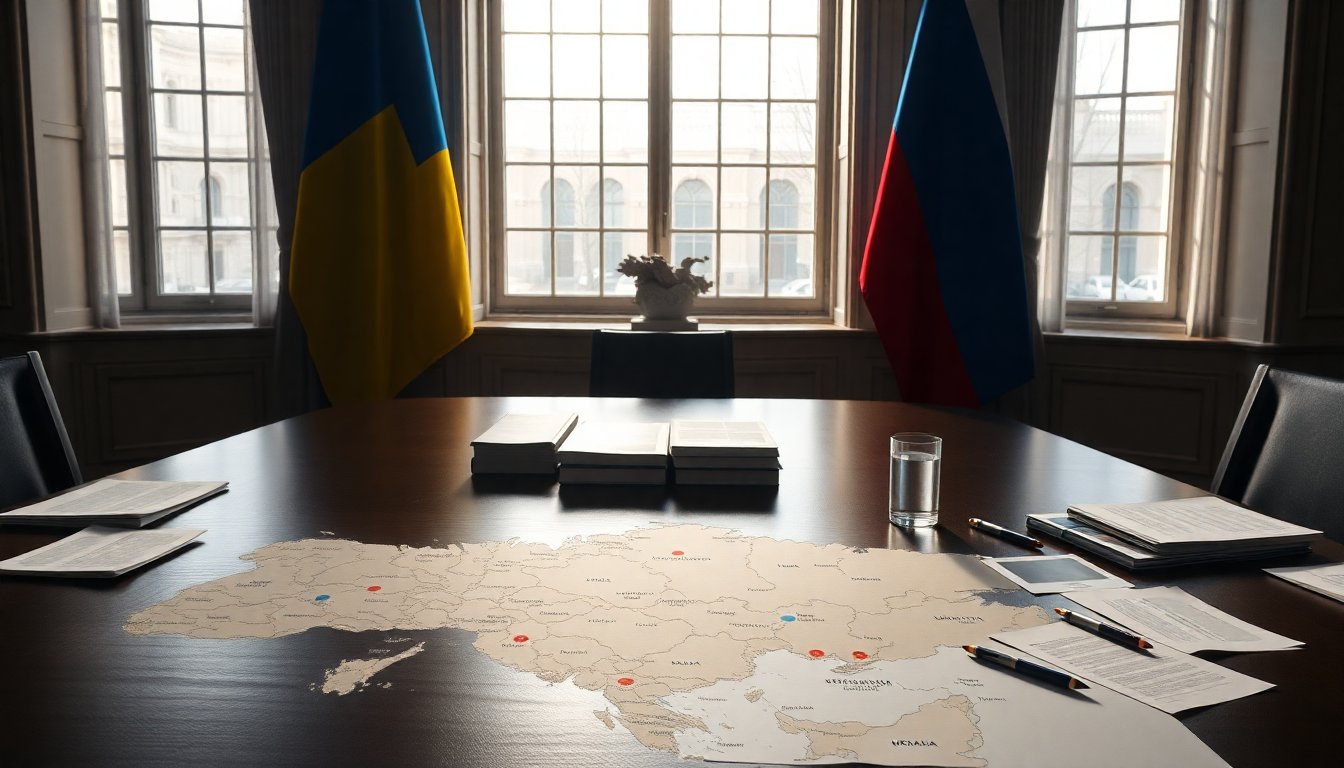
In the evolving landscape of international diplomacy, recent comments by Vance regarding the negotiations between Ukraine and Russia have sparked renewed discussion about the feasibility of achieving peace. While many officials remain optimistic, Vance’s perspective introduces a note of caution that may influence public perception and policy decisions.
The ongoing conflict between Ukraine and Russia has persisted for years, with various attempts at negotiation failing to produce lasting results. Vance’s assessment serves as a reminder of the challenges that lie ahead for both nations as they navigate the turbulent waters of diplomacy.
Understanding the context of the negotiations
The backdrop of the Ukraine-Russia conflict is a complicated tapestry woven with historical grievances, territorial disputes, and geopolitical interests. The war, which began in 2014, has resulted in significant loss of life and displacement, creating an urgent need for resolution. Despite numerous efforts to broker peace, including international mediation, the path forward remains fraught with obstacles.
Vance’s perspective on the negotiations
Vance’s recent remarks underline a stark contrast to the more hopeful tone often adopted by other members of the administration. Where some officials express belief in the possibility of reaching a consensus, Vance emphasizes the realities on the ground that may hinder progress. His comments suggest that while dialogue is essential, the chances of a successful agreement may be slimmer than previously anticipated.
This skepticism is not unfounded. Historical precedents show that negotiations in similar conflicts often become bogged down in unresolved issues, leading to prolonged stalemates. As Vance pointed out, without substantial compromises from both sides, the prospect of a peace deal is diminished. This highlights the importance of engaging in dialogue while also establishing a framework for meaningful concessions.
The implications of Vance’s statements
Vance’s cautionary stance comes at a critical juncture in the peace process, where public sentiment and international pressure play significant roles. His remarks may temper expectations among stakeholders eager for a swift resolution. By framing the conversation around the complexities of the negotiations, Vance encourages a more nuanced understanding of the situation.
Challenges to achieving peace
Several factors contribute to the difficulty of reaching a peaceful settlement. One major challenge is the deep-seated mistrust between Ukraine and Russia, complicating efforts to establish common ground. Additionally, external influences from other nations can further complicate the negotiations. As both sides navigate these dynamics, Vance’s comments remind us that optimism must be balanced with realism.
Furthermore, the internal political landscapes of both nations play a critical role in shaping the outcome of negotiations. In Ukraine, national pride and sovereignty are paramount, while Russia’s strategic interests complicate its willingness to make concessions. Vance’s insights into these issues highlight the intricate nature of the discussions and the need for patience and perseverance.
The road ahead
Looking forward, the path to peace between Ukraine and Russia will require sustained commitment from both parties, along with support from the international community. Vance’s remarks can serve as a catalyst for a more grounded approach to negotiations, emphasizing the need for realistic expectations and strategic planning.
As the situation unfolds, it will be essential for diplomats and policymakers to acknowledge the complexities of the conflict while remaining hopeful for a resolution. Vance’s sober assessment may ultimately contribute to a more informed dialogue among stakeholders, fostering an environment where genuine progress can be made.
The ongoing conflict between Ukraine and Russia has persisted for years, with various attempts at negotiation failing to produce lasting results. Vance’s assessment serves as a reminder of the challenges that lie ahead for both nations as they navigate the turbulent waters of diplomacy.0


