
Table of Contents
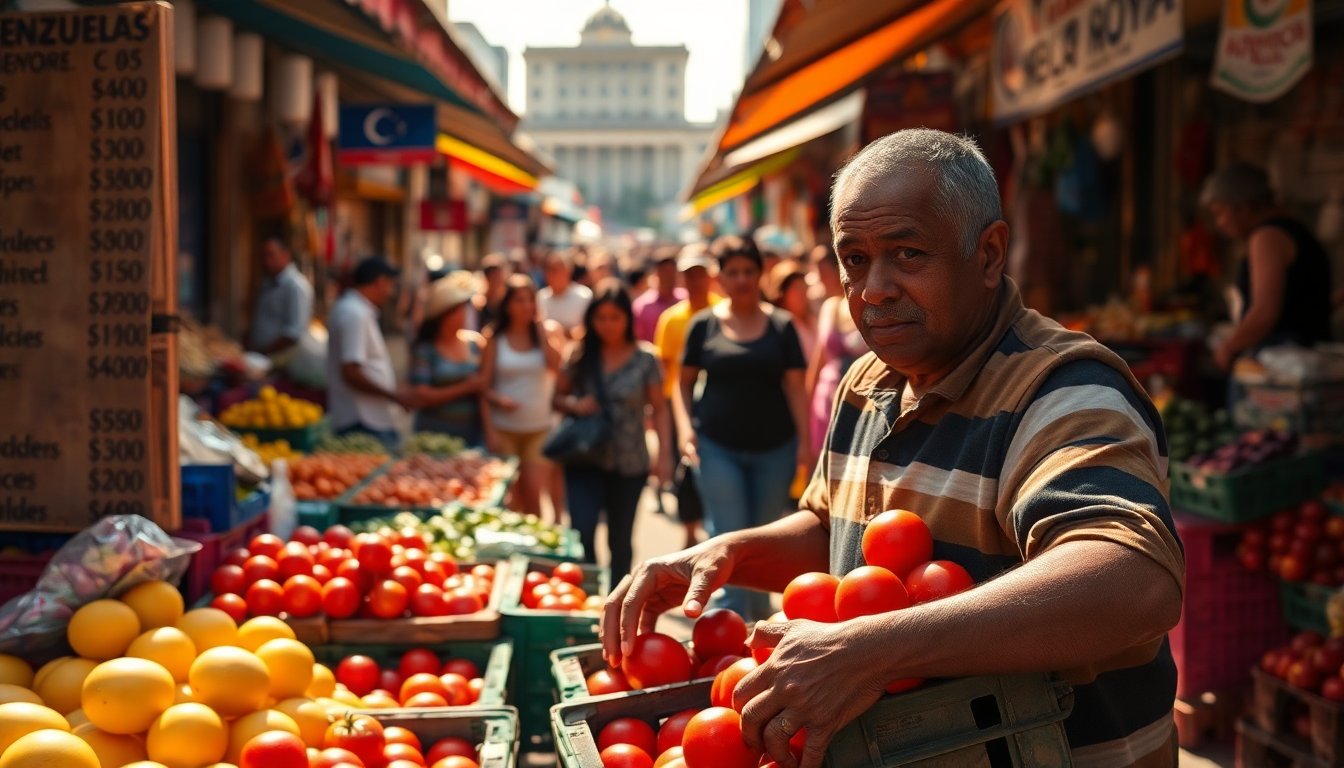
In the wake of significant changes in U.S. foreign policy, Venezuelans are experiencing a renewed sense of hope for their nation’s economic future. The recent removal of Nicolás Maduro, a figure often associated with autocracy, has led to an influx of American currency, subsequently lowering food prices and sparking optimism among the populace.
U.S. intervention and its impact
The U.S. government’s decision to remove Maduro has not only altered the political landscape but also initiated a flow of resources into the country. This shift aims to alleviate the dire economic situation that has plagued Venezuela for years. With food prices beginning to decrease, citizens express cautious optimism for recovery.
The role of the U.S. Secretary of State
Secretary of State Marco Rubio is set to address the Senate Foreign Relations Committee, where he will outline the administration’s strategy concerning Venezuela. Rubio has emphasized that there will be no further military interventions, stating, “We are not at war with Venezuela and have not occupied any territory.” This statement reflects a commitment to diplomatic solutions rather than military action.
In his remarks, Rubio is expected to clarify the nature of U.S. involvement, describing it as support for law enforcement rather than an invasion. He asserts that the U.S. will assist in guiding Venezuela towards becoming a responsible partner on the international stage.
Political landscape and future prospects
Following Maduro’s removal, the interim leadership under Delcy Rodríguez has expressed a willingness to collaborate with the U.S. government. This cooperation includes opening Venezuela’s energy sector to American companies and redirecting oil revenues to purchase U.S. goods. Such moves signal a potential shift in Venezuela’s economic strategy, which has long relied on alliances with countries like Cuba.
Rodríguez’s commitment to change
Rodríguez’s administration has pledged to sever Venezuela’s oil supply to Cuba and aims for national reconciliation among Venezuelans, both within the country and abroad. Rubio’s commentary suggests that Rodríguez’s interests align with U.S. objectives, indicating a possibility for smoother relations moving forward.
The Secretary of State has made it clear that the U.S. government will monitor the actions of the interim authorities closely. Rubio warns that should cooperation falter, the U.S. is prepared to consider the use of force, although he hopes such measures will not be necessary. This stance underscores the U.S.’s commitment to ensuring stability in the region.
Concerns about democracy
While there is an air of economic optimism, many Venezuelans remain skeptical about the future of democracy in their country. The absence of a robust democratic framework under Maduro has left lasting scars, and citizens are wary of potential power struggles that may arise as new leaders take charge.
Critics point out that despite economic improvements, the political environment remains fragile. The ongoing dialogue between the U.S. and Venezuela brings hope for some, but others fear that the absence of a genuine democratic process could hinder long-term stability.
While recent changes in U.S. foreign policy provide a flicker of hope for Venezuela’s economy, the path towards a stable democracy remains uncertain. The Venezuelan people are cautiously optimistic but are acutely aware of the complexities involved in transitioning from an autocratic regime to a more democratic governance structure.