
Table of Contents
In a significant political development, Venezuela has started to release detained Americans as part of a broader initiative to address the situation of political prisoners. This action follows the recent capture of authoritarian leader Nicolás Maduro, signaling a pivotal moment in Venezuelan politics. U.S. officials describe this release as a crucial step towards improving relations between the two nations, which have experienced strain for years.
The backdrop of Venezuela’s political landscape
The political situation in Venezuela remains precarious. The regime of Nicolás Maduro faces ongoing allegations of human rights abuses and political repression. Over the years, the Venezuelan government has been widely criticized for its treatment of political opponents, which has led to significant unrest and international backlash. Recently, the government announced plans to release a notable number of political prisoners, including some American citizens. This move may indicate a shift in the government’s stance towards dissent and a willingness to engage more constructively with the international community.
The role of international pressure
International pressure has significantly influenced recent changes in Venezuela. The U.S. Department of State has expressed serious concerns about the treatment of American citizens detained in the country. Following the capture of Nicolás Maduro, the U.S. government advised all American citizens in Venezuela to leave immediately, citing ongoing safety risks. This warning underscores the precarious situation in Venezuela and the persistent instability in the region.
Responses from the U.S. and neighboring countries
U.S. officials are closely monitoring recent developments in Venezuela. The release of detained Americans may indicate a willingness from Venezuela to engage more constructively with the United States. This shift could open doors for negotiations concerning economic support and humanitarian aid. Nonetheless, many observers express skepticism about the long-term implications of these actions.
The Cuban connection
The relationship between Venezuela and Cuba has also attracted attention. Former U.S. President Donald Trump previously threatened to cut off oil and financial support to Cuba, which heavily depends on Venezuelan resources. In a recent statement, Trump noted that the U.S. military now serves as a protective force for Venezuela. This development could significantly alter regional politics and alliances.
Public sentiment and the way forward
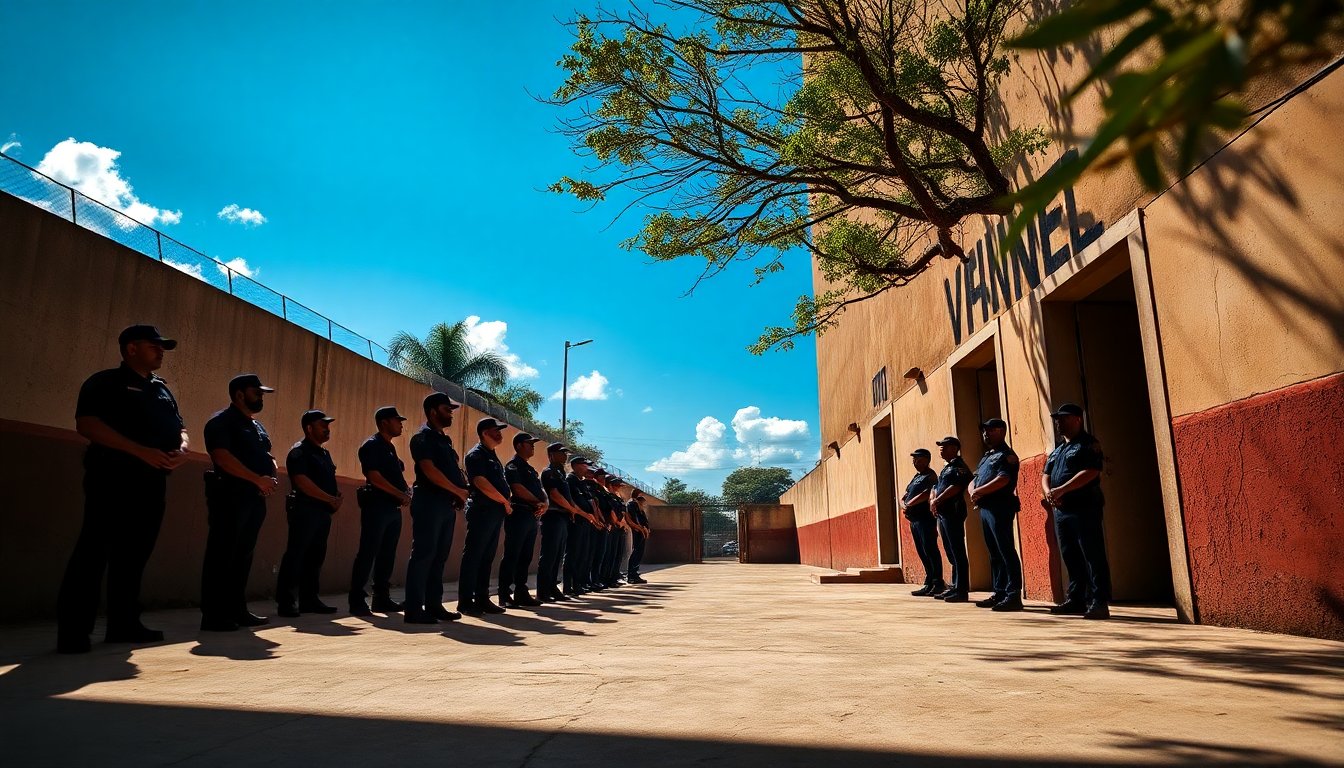
Following the recent releases of political prisoners in Venezuela, families are expressing a mix of hope and apprehension. Many have spent countless nights waiting outside prisons for updates, embodying the desperation that has defined life under Nicolás Maduro’s regime. While the release of these prisoners may signal a potential shift, many Venezuelans remain cautious, fearing that these actions are superficial rather than a genuine commitment to reform.
Political analysts indicate that although the release of prisoners is a positive development, it must be paired with significant changes in the political environment. The Venezuelan public is yearning for a return to democratic governance and a commitment to human rights. The international community is closely monitoring the situation to assess future implications.
The future of U.S.-Venezuela relations remains uncertain. Observers note that navigating this complex landscape will require a careful approach. Both nations must balance their interests while prioritizing the welfare of the Venezuelan people.