
Table of Contents
In recent weeks, the Venezuelan oil landscape has seen a steady influx of oil tankers, indicating the state-owned PDVSA‘s commitment to maintain crude exports despite stringent restrictions imposed by the United States. This situation unfolds amid heightened tensions between the two nations, particularly during the administration of former President Donald Trump, who reinforced a blockade targeting vessels linked to Venezuela.
The blockade has severely restricted Venezuela’s oil exports, cutting them to about half of their levels from a month earlier. Nevertheless, several vessels, including two under sanctions, have successfully docked at Venezuelan ports, suggesting that the oil sector is finding ways to navigate these difficult circumstances.
US sanctions and their impact on Venezuelan oil exports
The sanctions, designed to pressure President Nicolas Maduro, have significantly hindered the country’s oil production. The U.S. has not only placed restrictions on sanctioned vessels but has also seized two fully loaded oil shipments, underscoring its determination to enforce these measures. As a result, many shipping companies have chosen to avoid Venezuelan waters, opting for safer routes instead.
Despite these challenges, PDVSA’s resilience is evident. Through ongoing agreements and swaps established since 2019, the Maduro administration has utilized oil as a means of payment for various obligations, including debts owed to China. This strategy is increasingly vital as the nation seeks to sustain its dwindling oil revenues.
Floating storage and innovative strategies
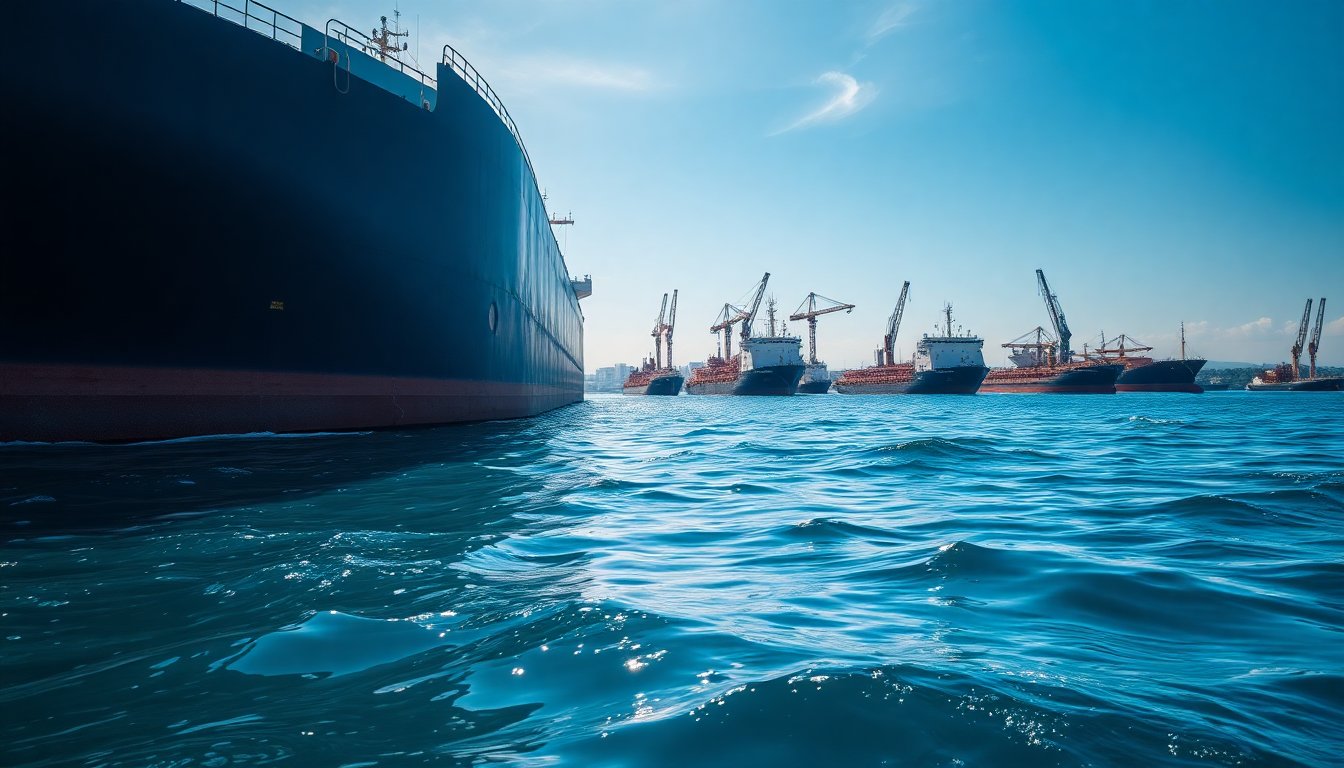
In an effort to enhance its storage capabilities, PDVSA has been expanding its floating storage operations. The company has begun loading crude oil onto tankers waiting offshore, resulting in a backlog of nearly 16 million barrels of oil stranded on vessels. This strategic approach not only allows PDVSA to store its products effectively but also ensures that the oil remains available for future exports as opportunities arise.
Furthermore, some vessels approaching Venezuela are part of a fleet involved in arrangements with Chinese buyers, suggesting that the country is actively working to fulfill its international commitments despite the blockade. There is uncertainty regarding whether China will seek waivers from the U.S. to facilitate these oil deliveries, but ongoing negotiations reflect the complexities of the current global oil market.
The evolving landscape of oil exports
The operational landscape for Venezuela’s oil exports has changed significantly in recent years, particularly since the U.S. intensified its sanctions. The need to adapt has led to the emergence of lesser-known intermediaries, allowing Venezuela to maintain its oil trade, primarily with Asian markets. This adaptation has proven essential for sustaining oil production levels, which have struggled to stabilize post-sanction.
Currently, less than a dozen tankers are known to be actively transporting oil from Venezuela, with only those authorized by the U.S. government, such as Chevron‘s vessels, permitted to operate without hindrance. This creates a challenging environment for PDVSA as the company attempts to negotiate discounts and amend contracts with international buyers to prevent any cargo returns.
Future outlook for Venezuela’s oil industry
The future of Venezuela’s oil industry remains uncertain, particularly as geopolitical tensions continue to shape market dynamics. Recent reports indicate that oil stored on tankers has decreased slightly, suggesting that while some progress is being made, the overall situation remains precarious. PDVSA faces pressure to maintain production levels and meet commitments, especially as global demand for oil continues to fluctuate.
As Venezuela navigates this complex landscape, PDVSA’s ability to adapt and innovate will be crucial. The company must continue to explore new markets and strategies to ensure its oil exports can withstand external pressures. The resilience displayed by Venezuela’s oil sector in the face of adversity underscores its significance in the global energy landscape, and it will be important to observe how this dynamic evolves moving forward.