
Table of Contents
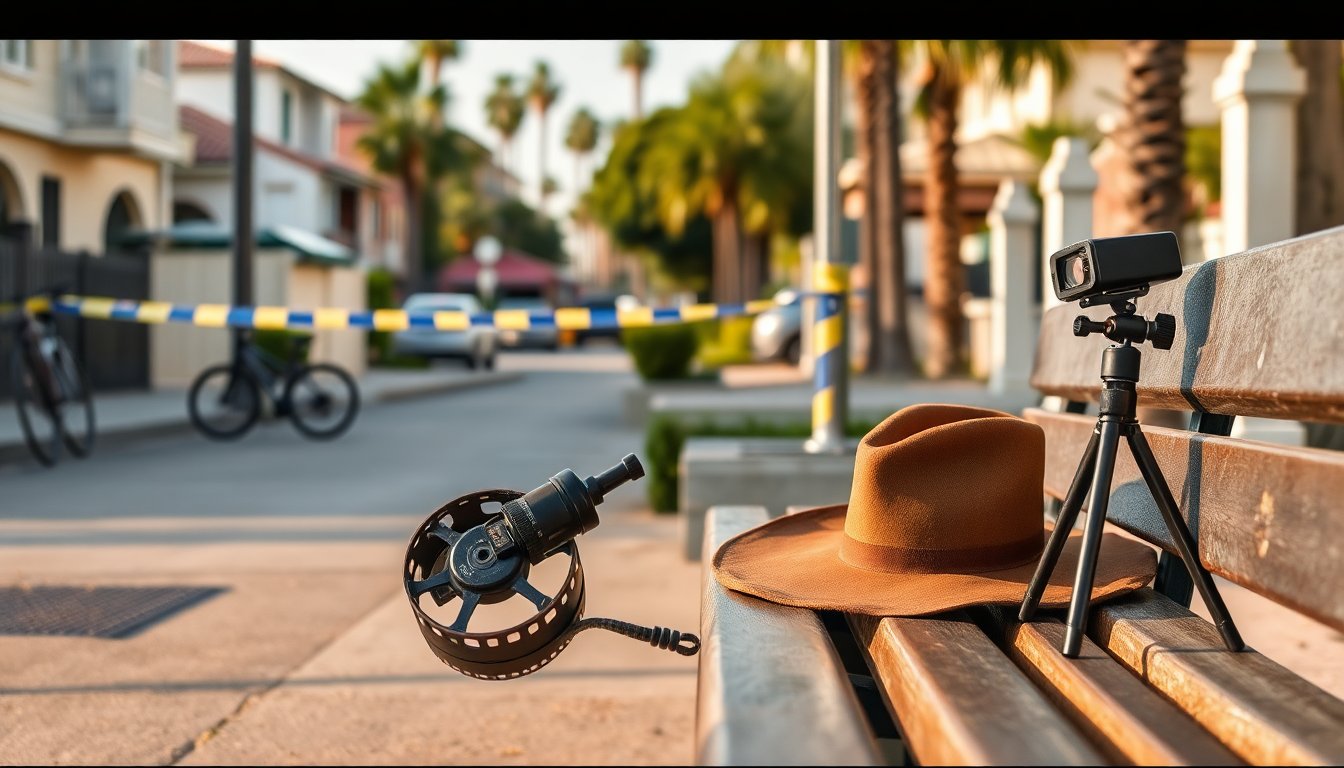
The city of Los Angeles witnessed a tense moment that ended without violence while cinema continues to revisit the frontier in surprising ways. On Tuesday March 24, 2026, officers responded to a report that prompted a barricade situation in Venice, and by late afternoon the scene had been secured with no shots fired. At the same time, filmmakers and critics have been rethinking what a Western can be, moving the genre beyond horses and six-shooters to moral complexity and contemporary settings, an evolution visible in recent lists and films discussed by critics.
Authorities say the confrontation began at roughly 1:30 p.m. on the 600 block of Rose Avenue, when calls came in about a man believed to be armed. The suspect, described by police as a white male, was detained after officers surrounded the area wearing heavy tactical gear and a police helicopter hovered overhead. The individual is under investigation for assault with a deadly weapon, though officials have not publicly detailed what triggered that allegation or whether anyone was injured. The Los Angeles Police Department (LAPD) has been contacted for comment.
How the barricade unfolded
Video captured from the neighborhood shows a concentrated law enforcement effort: uniformed and SWAT-style officers establishing perimeters while aerial units maintained visual contact. The response was deliberate and aimed at containment and negotiation rather than escalation, a tactic consistent with modern policing protocols for barricade incidents. Neighbors watched at a distance, and local outlets such as the Westside Current reported the eventual peaceful arrest. Officials later cleared the scene and residents gradually resumed normal routines, but questions remain about the circumstances that produced the standoff.
Community reaction and aftermath
Residents described a brief period of anxiety as emergency vehicles converged, but also relief when the standoff concluded without bloodshed. The presence of a helicopter and officers in tactical gear can be disconcerting in a residential area, highlighting the balance between public safety and community calm. Local reporting emphasized the lack of publicly released motive and limited details about potential victims, leaving some neighbors eager for updates. The incident disrupted the day but underscored how coordinated law enforcement actions can resolve high-risk situations with minimal harm when negotiation and containment are prioritized.
From classic revival to the neo-Western
While real streets like Rose Avenue occasionally echo scenes of confrontation, the cinematic Western has been transformed from its black-and-white moral clarity into something more ambiguous and modern. The genre experienced a downturn in the late 20th century but returned with renewed energy in films such as Silverado and television sagas like Lonesome Dove, which revived traditional motifs. Over the last few decades, critics and audiences embraced a shift toward the neo-Western—stories where protagonists operate by personal codes rather than strict legal frameworks, often becoming anti-heroes driven by complex motivations.
Defining traits and notable examples
An neo-Western typically features characters who challenge institutional authority while pursuing a personal sense of justice, and many acclaimed films fit this mold. Titles frequently cited include Unforgiven, No Country for Old Men, Hell or High Water, Wind River, and Logan. Contemporary takes also move the frontier to present-day landscapes: movies like The Power of the Dog, The Rider, and newer releases such as Ari Aster’s Eddington—starring Joaquin Phoenix and Pedro Pascal and set in a New Mexico context—demonstrate how the Western sensibility adapts to modern anxieties and settings.
Global frontiers and the genre’s resilience
The Western idea has long migrated beyond the American West, with filmmakers using deserts, badlands, and colonial histories to explore similar conflicts worldwide. International works—from Australia’s The Proposition and Red Hill to Brazil’s Bacurau—transpose frontier tensions into local contexts, proving the form’s versatility. Contemporary lists and rankings, such as a recent top 100 compiled by critics, reflect this diversity, grouping present-day Westerns, traditional revivals, and revisionist pieces together to show how the genre continues to reinvent itself for new audiences.
Both the Rose Avenue incident and the ongoing reinvention of the Western show how Los Angeles and its cultural orbit remain places where real-world drama and storytelling converge. The barricade on Rose Avenue ended without shots fired, and in cinema the frontier keeps producing narratives that test our notions of law, morality, and heroism. As officials and filmmakers alike navigate tense situations—literal or allegorical—audiences and communities wait for fuller explanations and new stories that reflect contemporary life.