
Table of Contents
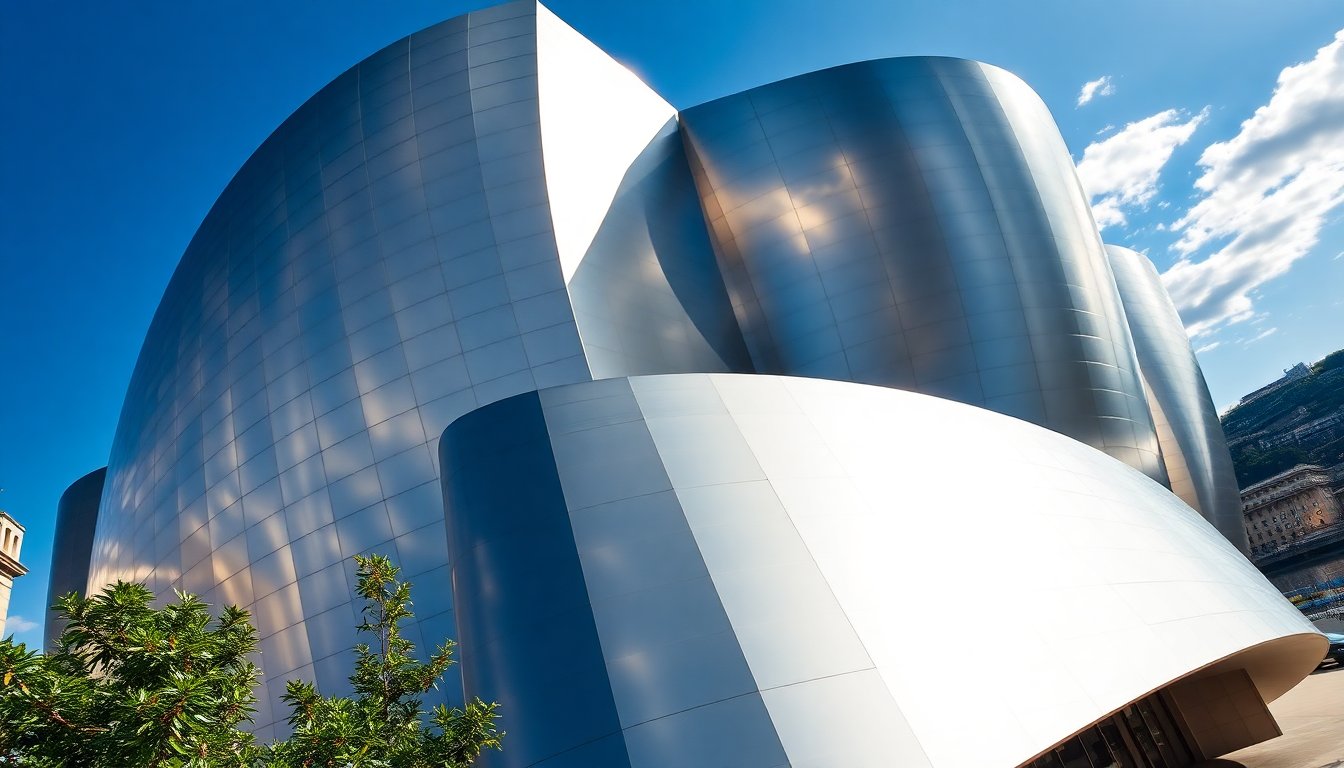
Frank Gehry, a renowned architect celebrated for his innovative designs, has died at the age of 96 in his Santa Monica home following a brief battle with respiratory issues. Born in Toronto, Gehry gained prominence for his distinctive architectural style, which combined artistic vision with practicality, earning him international acclaim. His work is marked by playful forms and creative use of materials, challenging conventional architectural norms.
Over his career, Gehry’s visionary designs have redefined skylines worldwide. Among his most notable creations are the Guggenheim Museum in Bilbao, Spain, and the Walt Disney Concert Hall in Los Angeles, both celebrated for their striking aesthetics and groundbreaking structures.
Achievements and accolades
Throughout his career, Gehry received numerous prestigious awards, cementing his place as a leading figure in contemporary architecture. He was awarded the Pritzker Prize, often regarded as the Nobel Prize of architecture, in recognition of his exceptional contributions to the field. His work has been described as refreshingly original and distinctly American, showcasing a unique blend of creativity and technical skill.
Notable architectural masterpieces
In addition to the Guggenheim Museum, Gehry’s portfolio features the DZ Bank Building in Berlin, Germany, showcasing his ability to integrate modern design with urban landscapes. His headquarters for InterActiveCorp in New York City, known as the IAC Building, boasts a stunning facade reminiscent of a shimmering beehive, further solidifying his reputation for bold and inventive architecture.
Even in his later years, Gehry remained active in his profession, continuing to expand the boundaries of architectural design. The New York By Gehry building, completed in 2011, stands as one of the tallest residential structures globally, significantly contributing to the iconic Lower Manhattan skyline.
Legacy and influence
Despite his acclaim, Gehry’s work faced criticism. Some detractors have described his designs as oversized and chaotic, suggesting they prioritize visual spectacle over functionality. Princeton art critic Hal Foster characterized certain projects as oppressive, implying they aimed more at attracting tourists than serving practical needs.
In 2014, Gehry encountered challenges with his proposed memorial for President Dwight D. Eisenhower, which faced resistance from the Eisenhower family, who preferred a simpler tribute. Nevertheless, Gehry defended his ambitious design, featuring multiple statues and flowing metal tapestries that narrated Eisenhower’s life story.
Continuing the journey
Beyond his architectural achievements, Gehry contributed significantly to academia. He returned to his roots by joining the faculty of the University of Southern California, where he shared his extensive knowledge and experience with aspiring architects. His teaching career also extended to prestigious institutions like Yale and Columbia University, inspiring countless students with his innovative insights.
As recently as, Gehry adapted his designs to meet client preferences, illustrated when Facebook requested a more understated expansion of their headquarters. This adaptability showcases Gehry’s commitment to collaboration, ensuring that his vision aligns with client needs while maintaining his distinctive style.
Reflecting on the life of Frank Gehry highlights his profound impact on architecture and design. His daring approach and willingness to challenge conventions have paved the way for future generations of architects, encouraging them to explore new horizons in creative expression.