
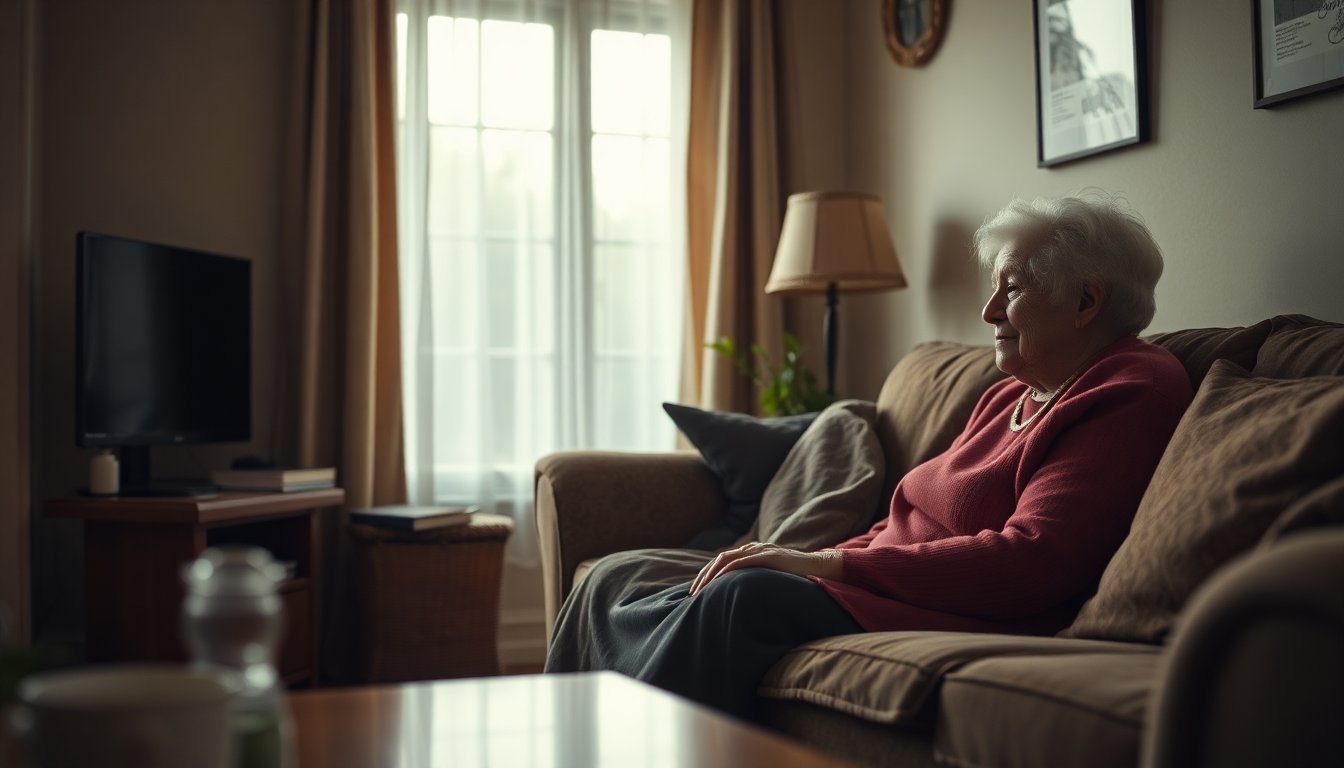
Dead Grandma, an 80‑second micro‑short by Rachel Kempf and Nick Toti, is making a small but fierce splash online—and it’ll screen in Slamdance’s 99 Special on Sun., Feb. 22. In less than a minute and a half the film squeezes a full emotional trick: dread, dark humor, and a shock that lands like a punchline with teeth. It’s a neat reminder that sometimes less isn’t just more—it’s everything.
Where the idea came from
The spark for Dead Grandma came from a single, unsettling image from Toti’s days as a preschool teacher. That one picture—domestic, familiar, then suddenly wrong—became the film’s north star. The filmmakers lean into social mismatch and a sharp tonal pivot: cozy childhood routines upended by an act that refuses to be ordinary. The result feels less like a joke and more like a deliberate narrative jolt.
How the short does so much with so little
The film treats constraint as a creative engine. With just 80 seconds, every shot, cut and sound cue has to pull its weight. Tight framing, quick edits and a soundscape that flips between nursery ambience and invasive silence all squeeze time without flattening emotion. Instead of exposition, we get visual beats—micro‑reactions from kids, the stillness of a body—that let viewers stitch the rest together in the pause after the cut. That economy of storytelling is the micro‑short’s superpower: a single image or line becomes the fulcrum that bends the whole piece.
Why this kind of short works (and where it can trip up)
Strengths: Ultra‑short films funnel attention. The juxtaposition of innocence and morbidity hits fast and hard, and focused craft—sharp editing, precise sound—makes a single idea feel complete. For festivals and online feeds, those qualities translate to shareability and strong first impressions.
Trade‑offs: Not everyone will want their questions left hanging. The format’s shock-first logic can feel uncompromising: you get intensity, not a full character arc. Audience reactions are split—some viewers love the sting, others want more meat. The filmmakers seem willing to take that gamble to keep the tonal needle steady.
99 Special and the festival context
Slamdance’s 99 Special asks filmmakers to build entire pieces in under 99 seconds—a rule that encourages DIY setups, minimal crews and fast turnarounds. Submissions typically rely on single‑camera shoots, practical lighting and compact audio rigs; many teams shoot in a day and finish post in a couple of weeks. The program runs during Slamdance (Feb. 19–25) and the block will be available on the Slamdance Channel (Feb. 24–Mar. 6). Dead Grandma screens as part of that curated block on Feb. 22.
That festival context matters. Micro‑shorts that deliver a memorable image or a clean emotional arc tend to travel well—programmers want distinct pieces that spark conversation and fit neatly into tightly programmed sets. For creators, success in a showcase like this can mean visibility, press, and the start of industry conversations.
From micro‑short to feature: the next move
Kempf and Toti are already thinking bigger. They’re expanding their terse sensibility into a first feature, Scary New Year—written by Kempf and produced with Liane Cunje and Divide/Conquer, with Adam J. Minnick attached as cinematographer and a cast that includes Lauren Viteri, Sam Hook, Amelia Ann, Beck Nolan and Zach Schnitzer. The pathway—classroom moment → 80‑second provocation → feature pitch—is familiar in indie circles: a crystalized concept makes it easier to pitch and keep tonal control, but stretching a shock into 90+ minutes requires new scaffolding, pacing and character depth.
Practical takeaways for filmmakers and programmers
– For filmmakers: micro‑shorts are a fast, low‑cost way to test tone and show a visual signature. Keep the hook clear; prepare materials (treatments, pitch decks) that show how a compact idea scales. – For festivals and curators: ultra‑short blocks diversify lineups and appeal to online audiences hunting bite‑sized art. – For educators: assign micro‑films to teach economy—lighting, sound and editing that do storytelling heavy lifting.
The market and what to expect
Micro‑shorts live in a crowded, fast‑moving ecosystem: festivals, curated channels and social platforms hungry for snackable, distinctive work. Algorithms favor brief engagement; programmers favor pieces that provoke. Standout ultra‑shorts can lead to expanded scripts, directors’ meetings, or licensing opportunities, but conversion to long‑term careers is selective. Endorsements from established filmmakers help—signals from industry names can open doors—but buzz needs momentum across outlets to turn into deals. It doesn’t spoon‑feed answers; it plants an image and waits to see what the audience does with it. Watch the preview online now and catch the 99 Special screening at Slamdance on Sun., Feb. 22—then listen for whether this small shock grows into a bigger conversation (or even a feature).