
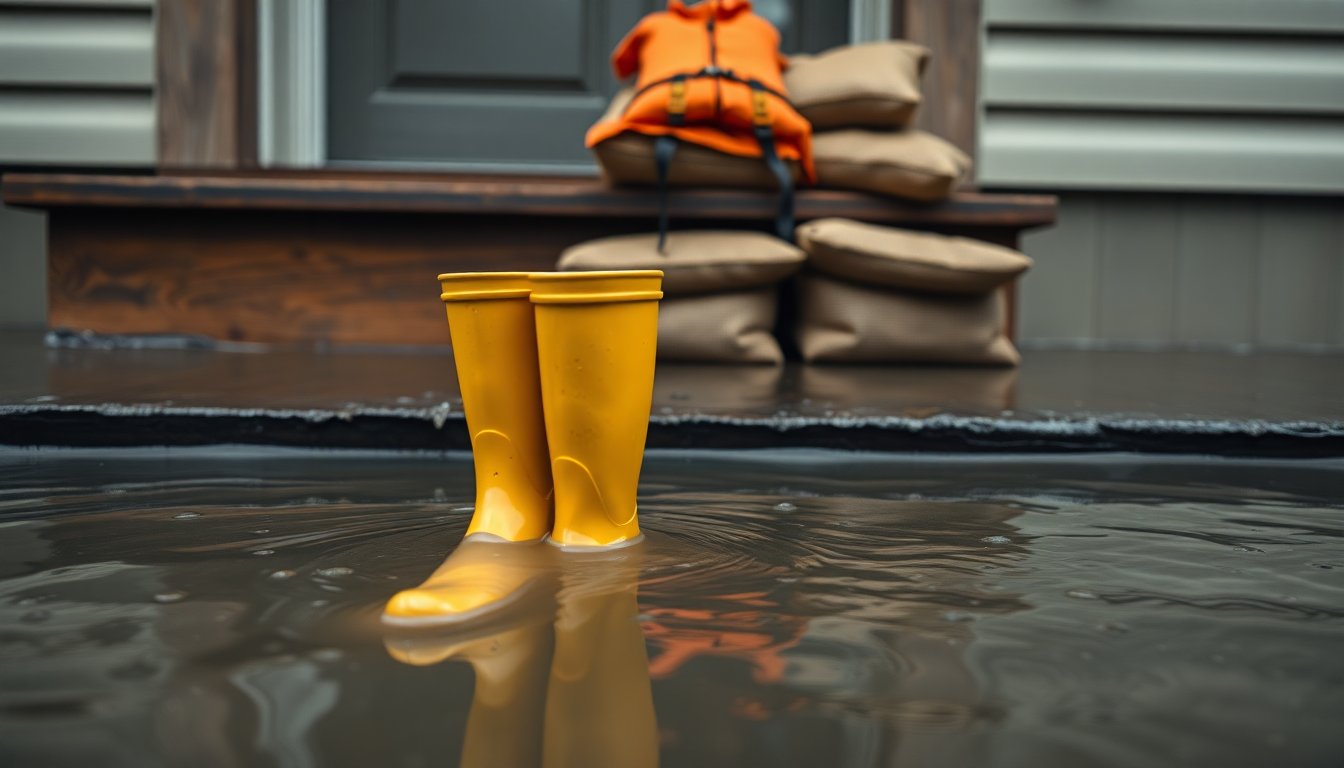
On 20/04/2026, an intense band of heavy rain swept through New Zealand’s capital and surrounding districts, producing overnight flash flooding that forced rapid responses from emergency services. Officials raised alarm levels as rivers rose and drainage systems reached capacity, leading to a formal state of emergency for the Wellington region. Residents in flood-prone, low-lying neighbourhoods were urged to leave their homes and seek higher ground as conditions deteriorated.
The meteorological agency, MetService, upgraded its heavy rain advisory to a red warning, a designation used when conditions pose a direct threat to life through hazardous river behaviour, widespread inundation and unstable slopes. With communications amplified by emergency mobile alerts and local Civil Defence channels, authorities coordinated evacuation centres and deployed flood-protection assets where river modelling indicated critical levels.
How the flooding unfolded
The weather system produced intense downpours concentrated over the lower North Island and parts of the upper South Island, saturating catchments already near capacity. In several locations, rivers rose rapidly and stormwater networks were overwhelmed, generating sudden surges of water through streets and residential areas. Emergency management teams described conditions as fast-moving, with water flows and slips that could appear with little notice, complicating rescue and response efforts.
Local authorities reported that some communities experienced the worst impacts during the overnight period, when visibility and response times are reduced. Civil Defence personnel and volunteers monitored river heights and tidal influences closely, calculating where overflow risk peaked — particularly where high tide coincided with peak river levels. These combined factors amplified the likelihood of property damage and threatened critical lifelines such as roads and bridges.
Communities and infrastructure affected
Multiple areas recorded significant impacts. The small township of Ōhura in the Ruapehu District was placed under a local emergency, and early-morning alerts advised residents to prepare to self-evacuate; several people moved to a temporary Civil Defence Centre opened at the Memorial Hall on Ngarimu Street. In the Manawatū-Whanganui region authorities reported high river levels along the Ōhura and Whanganui waterways, leading to targeted flood protection measures and ongoing monitoring.
Transport disruptions and public safety
Flooding affected key transport routes, prompting temporary closures and cautionary reopenings. Sections of State Highway 58 in the Wellington region and stretches of State Highway 3 and State Highway 43 elsewhere experienced closures or restrictions due to standing water and damage. Emergency messages stressed that drivers should treat affected routes with care, avoid unnecessary travel and never attempt to drive through floodwater, since even shallow flows can sweep vehicles from the road.
Warnings, advice and next steps
Officials urged residents to act proactively: where water was rising, people were told to head to higher ground immediately rather than wait for an official evacuation order. The consistent safety guidance emphasised avoiding contact with floodwater — do not walk, swim, drive through or play in it — because of hidden currents, contamination and debris. Emergency teams continued to increase surveillance of rivers and catchments, readying sandbags and other flood protection measures where modelling suggested critical thresholds might be reached.
What residents can do now
Residents in affected districts were advised to follow updates from local Civil Defence groups, monitor MetService forecasts and heed emergency alerts. Practical steps recommended included relocating important documents and valuables to higher levels, preparing an emergency grab bag with essentials, and ensuring family members and neighbours — particularly older people or those with mobility challenges — are aware of the risks. Those uncertain about leaving were told to contact local emergency numbers for guidance and to use designated shelters if required.
Local leaders, including the mayor, addressed media and community channels to keep the public informed and to coordinate relief efforts. While immediate priorities focused on protecting life and preventing further infrastructure damage, authorities made clear that assessment and recovery work would follow once conditions stabilised. As rain continues to move through the region and soils remain saturated, the public was encouraged to remain vigilant and ready to respond to evolving alerts from emergency services and MetService.


