
Table of Contents
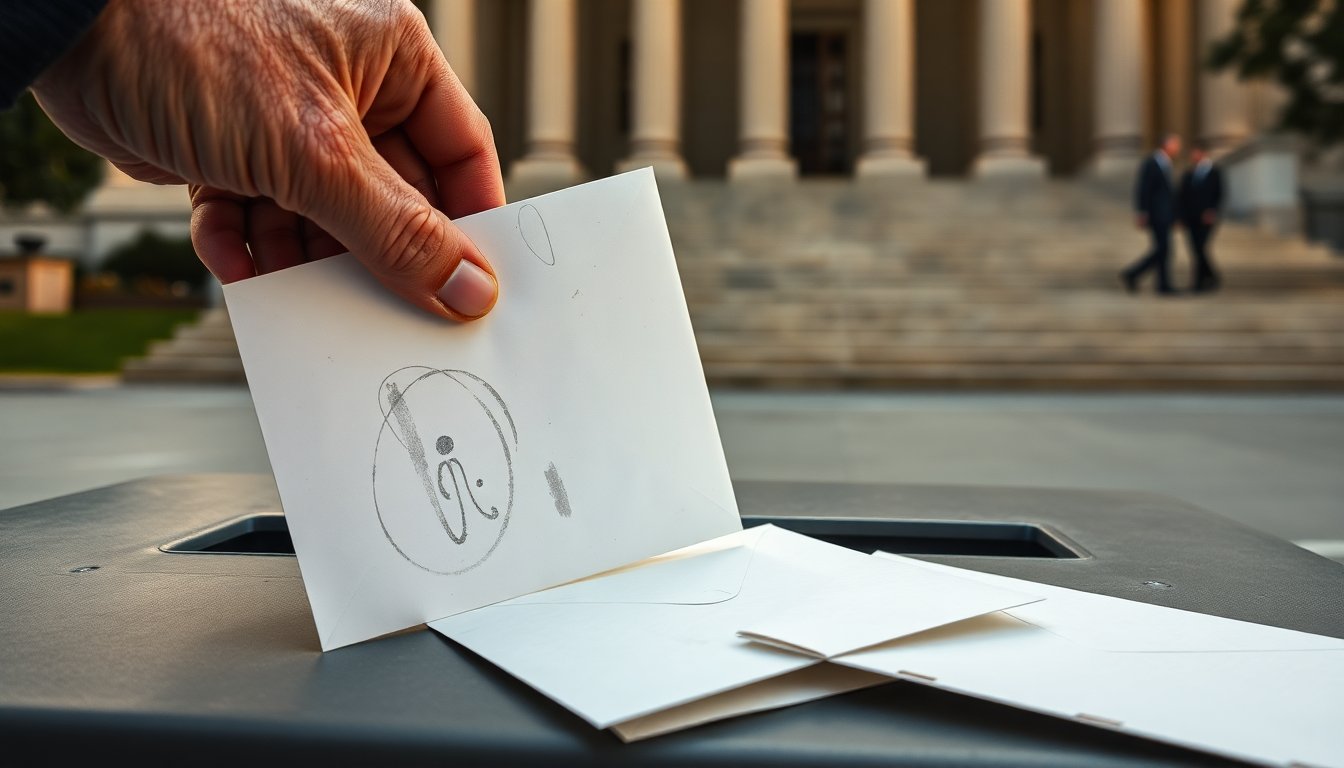
The U.S. supreme court is considering a challenge to a state law that allows mail-in ballots to be counted if they are postmarked by Election Day but arrive days later. That law — and rules like it — exists in over a dozen states, creating a patchwork of approaches to how late ballots are handled. The case has drawn attention because it raises questions about the balance between timely, orderly elections and ensuring that voters who rely on the postal system are not left without a voice. (Published: 23/03/2026 14:36.)
At oral argument, the court’s posture suggested it may be inclined to limit or reject the counting of late-arriving ballots, a step that could have immediate operational and political consequences. Legal analysts warn that a ruling against such rules would not only change current election administration in affected jurisdictions but could also create a legal precedent shaping future election disputes. Election officials, advocates, and public-interest groups are watching closely because the outcome could influence everything from voter turnout to the margins in tight races.
What the legal issue covers
The central question involves the status of ballots that bear a postal mark indicating they were mailed on or before Election Day but that arrive after local deadlines. Many states have adopted a short grace period that treats a valid postmark as sufficient to credit a ballot even if delivery is delayed. Opponents argue that permitting ballots to arrive post-deadline undermines clear statutory deadlines and can create unequal treatment across counties. Supporters counter that postal delays — especially for voters who are elderly, rural, or overseas — mean strict on-time delivery rules would disenfranchise people who followed the rules at the ballot box.
Potential consequences for voters and election administration
If the Supreme Court were to bar counting ballots that arrive after a state’s deadline, the immediate risk is disenfranchisement for voters who used the mail in good faith. That impact could fall hardest on particular groups: disabled voters, people in remote communities, and military or expatriate voters who depend on extended mail transit. Election administrators would likely face a scramble to revise guidance, adjust ballot-acceptance windows where possible, and brace for additional litigation. Legislatures may respond by rewriting state statutes or by introducing expedited delivery options to reduce the risk of late arrival.
Precedent and future litigation
A Supreme court ruling on this case would do more than resolve a single statute: it could establish a precedent that lower courts and state officials must follow in later election disputes. That potential makes the case a bellwether: a decision could narrow or broaden judicial deference to state election rules, influence how courts evaluate administrative flexibility in crises, and alter strategies used by litigants in future contests. Legal scholars expect that whichever way the Court rules, there will be follow-up challenges testing the ruling’s limits and its application across jurisdictions with different statutory frameworks.
What officials, campaigns, and voters should watch
Observers should track several moving parts: the court’s formal timeline for issuing an opinion, public statements by state election authorities, and advocacy group responses. Changes to state law might follow quickly in legislatures that want clarity before the next major election, while other states may pursue emergency administrative fixes. Campaigns and civic groups will likely amplify voter education efforts about deadlines and recommended mailing windows. Above all, the decision’s effect on voter turnout and narrow races will be closely analyzed; even modest shifts in ballot counting rules can influence outcomes in competitive contests.
Why the debate matters
This dispute is more than procedural: it sits at the intersection of access and certainty. On one side is the goal of preserving a clear, uniform timetable for counting ballots; on the other is the commitment to ensure that eligible voters who relied on the postal service have their ballots counted. The Court’s ruling will force states, election officials, and voting advocates to weigh administrative order against inclusive access. Regardless of the outcome, lawmakers and election administrators will likely revisit how they craft rules to reduce ambiguity and protect voters who use mail-in ballots.