
Day 1,453 of the war in Ukraine — update (as of February 16)
The fighting stayed intense across multiple fronts, with fresh strikes, counterattacks and ongoing diplomatic fallout. Here’s a clearer, more concise snapshot of what’s happened recently: battlefield moves, damage to energy and transport systems, spillover incidents inside Russia, and the political developments shaping international reactions.
Frontlines and strikes
– Heavy fighting continued in several regions. Both sides reported strikes on military positions and infrastructure; civilian neighbourhoods also suffered damage and emergency crews stayed busy clearing rubble and treating the wounded.
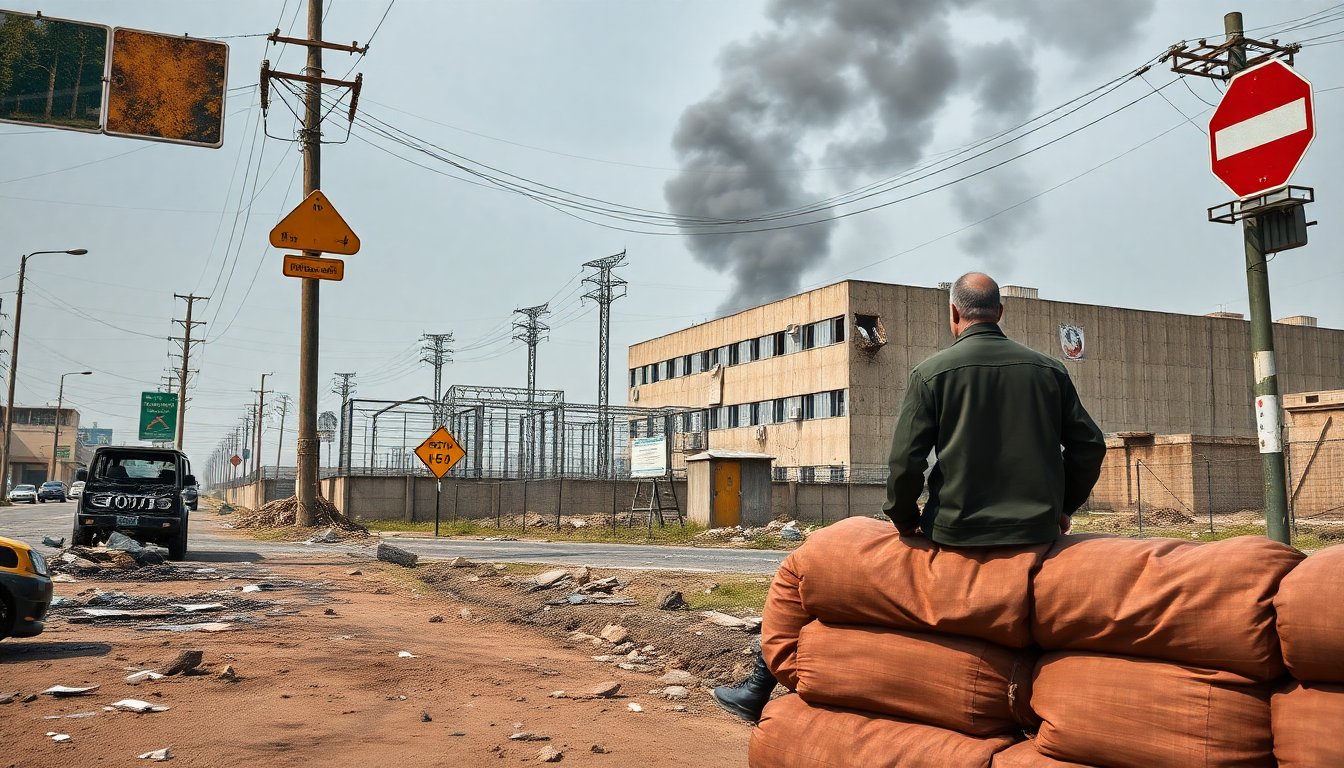
– The campaign has placed extra strain on energy and transport networks. Power cuts and damaged rail links are complicating relief efforts and movement of goods, while fuel shortages are making logistics harder for civilians and the military alike.
– Local officials said civilians were hurt across different regions: six injured in Dnipropetrovsk, three in Sumy and two in Zaporizhzhia. Authorities also said aerial ordnance has been used extensively in recent operations.
– President Volodymyr Zelenskyy released stark figures for the prior week: roughly 1,300 drones, 1,200 guided aerial bombs and dozens of ballistic missiles — a sign of the air campaign’s intensity and the pressure on civil-defence systems.
Energy, transport and the business angle
– Early assessments point to damage at power stations, heating networks and transit nodes. Repair teams have been deployed, but access and safety concerns are slowing restorations.
– For companies and public services, the immediate priorities are clear: document outages and damage, communicate with regulators and insurers, and activate crisis plans. Supply-chain exposure and continuity risk are real — especially for firms handling personal data or cross-border operations, where incident reporting and data-protection rules (including GDPR-related obligations) can come into play.
– Organisations should speed up technical fixes, use monitoring tools to detect further disruption, and keep public and regulator communications transparent. Delayed reporting or sloppy record-keeping risks fines, reputational damage and other enforcement actions.
Ukrainian counterattacks and cross-border incidents
– Kyiv’s forces continued counterstrikes aimed at Russian logistics and military nodes. Meanwhile, there were reported incidents inside Russia: Russian air defences said they intercepted five drones near Moscow, and local officials in the Bryansk region blamed a Ukrainian strike for outages in heat and electricity.
– Moscow’s MOD claimed capture of the village of Tsvitkove in southeastern Zaporizhia, and senior commanders reported several settlements seized in the east during February. Territorial claims can shift tactical dynamics on paper, but holding ground depends on logistics, secure supply routes and troop rotations.
– The incidents around Moscow and in border regions underline the war’s reach and the vulnerability of civilian infrastructure close to combat zones.
Political moves and international responses
– Kyiv detained former energy minister German Galushchenko as he tried to leave the country amid a corruption probe that forced his resignation in November. High-profile investigations like this are being watched closely by EU partners as signals of rule-of-law progress.
– At the same time, Ukraine announced new energy and military support packages agreed with European partners, showing that international backing continues even as debates over accession and timing persist.
– Some EU figures pushed back on immediate accession promises. Officials including EU foreign policy representatives signalled caution, saying member states aren’t ready to set a formal membership date for Ukraine yet. Political disagreements — from pipeline politics to enlargement sequencing — are influencing diplomatic momentum.
What this means for firms, governments and aid groups
– Legal and compliance teams should map sanctions exposure, review export-control obligations and update screening systems. Practical steps: tighten due diligence in supply chains, audit logistics partners, and keep escalation paths to senior leadership clear.
– Energy companies should revise contingency plans for pipeline disruptions and contractual disputes. Public bodies need transparent reporting on investigations or asset movements to reduce investor uncertainty.
– For humanitarian actors, restoring heating and transport links is an urgent priority to limit civilian suffering and economic fallout.
Wider geopolitical notes
– State media in North Korea reported ceremonies for the families of soldiers allegedly killed abroad, claiming thousands of North Korean personnel died fighting alongside Russian forces — a claim tied to broader wartime narratives but difficult to independently verify.
– Allied intelligence suggests Russia’s economy may remain heavily militarised even after active combat winds down, which could reshape defence production, fiscal priorities and cross-border compliance challenges for companies in defence-related supply chains. Expect continued pressure on logistics and energy nodes, more legal scrutiny around governance issues in Kyiv, and an ongoing need for swift, transparent crisis management from both public and private actors. Monitoring remains essential.