
PTMC’s Emergency Room Crumbles Under Legal Pressure and Cyber Panic — “3 PM” Examines What Keeps Care Afloat
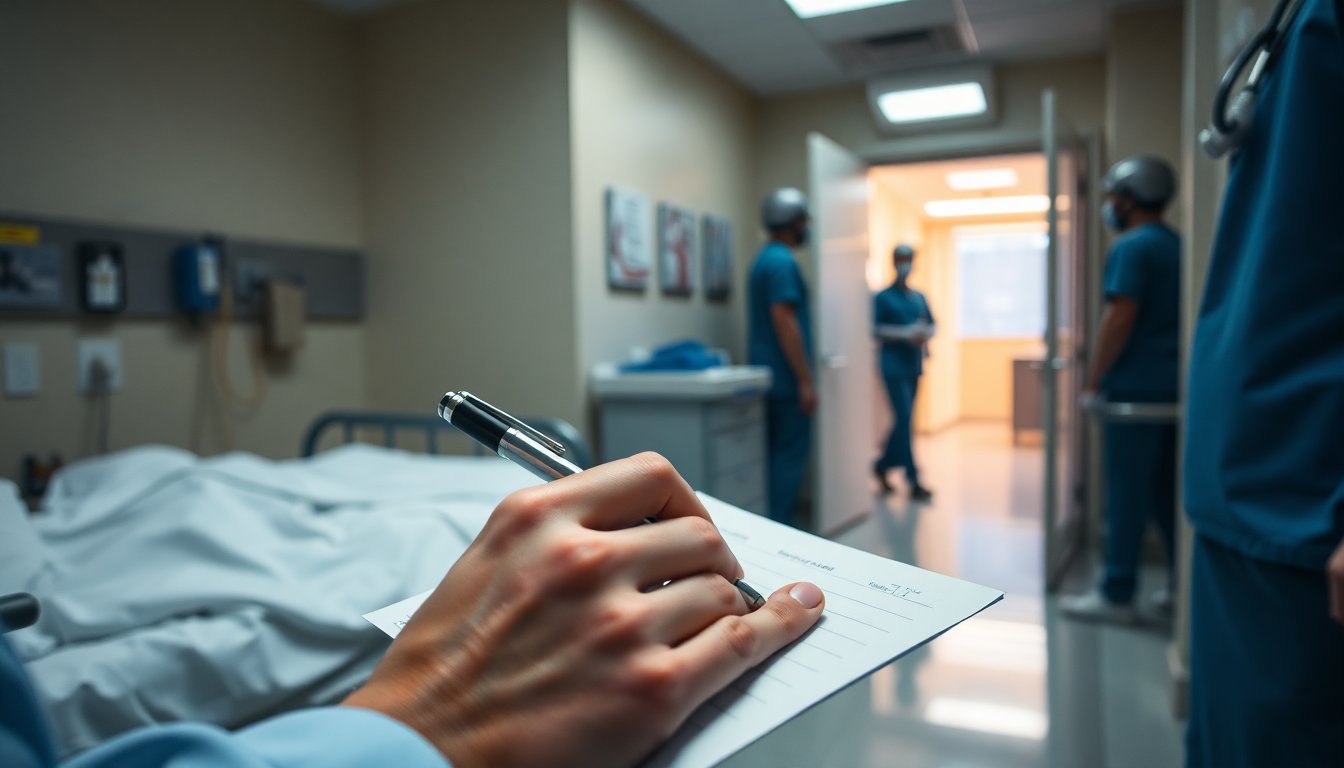
The Pitt, season 2 episode 9—“3 PM”—compresses a chaotic afternoon in PTMC’s emergency department into a tight, tense hour. A looming malpractice deposition and a neighboring hospital’s cyberattack collide, forcing the ER offline and thrusting staff back into paper charts, walkie-talkies and improvised procedures. The result: a portrait of clinical grit under mechanical and legal strain.
Mel King: Caregiver, Clinician, and the Cost of One Deposition
– The setup: Dr. Mel King is an emergency physician and the primary caregiver for her twin sister, Becca. A pending malpractice deposition follows her like a shadow through the shift.
– What happens: Becca shows up disoriented, adding a personal crisis to Mel’s professional scramble. Mel moves from clinical decision-making to family triage in the space of a few beats.
– Why it matters: The episode makes clear that litigation is not just a career threat—it’s a household crisis. Losing a license could mean steep financial and emotional fallout for Mel’s family. Small gestures—fumbled notes, hurried phone calls, the way Mel pauses before answering—turn anxiety into something human and visible.
From Network Blackout to Paper Protocols: How the ED Survives
When PTMC cuts its network after the Westbridge cyberattack, the ER’s digital lifelines—imaging, labs, electronic notes—vanish. Staff pivot to analog systems. Paper routing replaces PACS, phone calls replace instant messages, and clinicians lean on memory and muscle.
- – Quick triage, slow records: The shift to paper slows information flow but keeps critical functions running. Leaders issue short, direct orders; nurses and doctors adopt blunt, reliable communications to avoid mistakes.
- Fatigue and triage: Nonurgent patients are deferred, staff concentrate on the unstable, and improvisation becomes a survival skill. These stopgap measures work—temporarily—but expose how brittle modern workflows can be when tech fails.
- Legal tension: With a deposition pending, every handwritten note matters. The outage amplifies the stakes of documentation and opens clinicians to increased scrutiny.
Monica Peters: Institutional Memory in Action
Dana Evans calls in Monica Peters, a clerk sidelined during the hospital’s digital upgrade. Monica brings decades of practical know-how: clear delegation, simple filing systems, and human triage workflows. Her presence restores order fast—assigning people to track imaging and specimens, instituting paper routing for urgent results, and cutting down on duplicated work.
Lost X‑Rays, Surgical Heat, and the Limits of Technology
Without digital imaging, surgical planning stalls and diagnostic uncertainty rises. A missing film turns a manageable case into an urgent operation; tempers flare in the OR. Dr. Yolanda Garcia sharply rebukes an attending after a clerical lapse compounds clinical risk—an exchange that underlines competence, accountability, and the quiet weight of professional shame when systems fail.
Acute Cases That Expose Social Fault Lines
The episode uses emergencies to reveal broader social tensions.
- – Mr. Knox: Arrives with a perforated colon. Clinicians coordinate urgent surgery while arranging a video call with his estranged sister so the family can connect before the operation—a gesture that blends clinical priorities with emotional care.
- The 12‑year‑old with fireworks injuries: Two severed fingers, the smell of alcohol—and then a deeper problem: his parents were detained and deported, leaving his older sister as caregiver. Though US‑born, the child’s placement becomes tangled in immigration and child‑welfare systems.
Social worker Dylan becomes a bridge: verifying temporary guardianship, fast‑tracking care plans, and referring the family to legal services. The ED is shown not only as a medical safety net but as a last stop for people caught in the crossfire of policy, enforcement, and bureaucracy.
Romance, Farewells, and Small Acts of Care
Amid the pressure, the show finds room for intimacy and human detail.
- – Dr. Garcia flirts with Santos, and the scene illustrates how “casual” can mean different things to different people in a high‑stress workplace.
- Samira Mohan reassesses priorities; colleagues push her toward clearer boundaries and personal agency.
- Dr. Jack Abbot’s sabbatical introduces a note of reflection and a reminder that clinicians, too, need recovery.
Small rituals carry weight: after Louie’s death, Mr. Digby rings a diner bell in tribute—a restrained, comic beat that cuts through the strain and reminds viewers of the department’s camaraderie.
The Pitt, season 2 episode 9—“3 PM”—compresses a chaotic afternoon in PTMC’s emergency department into a tight, tense hour. A looming malpractice deposition and a neighboring hospital’s cyberattack collide, forcing the ER offline and thrusting staff back into paper charts, walkie-talkies and improvised procedures. The result: a portrait of clinical grit under mechanical and legal strain.0