
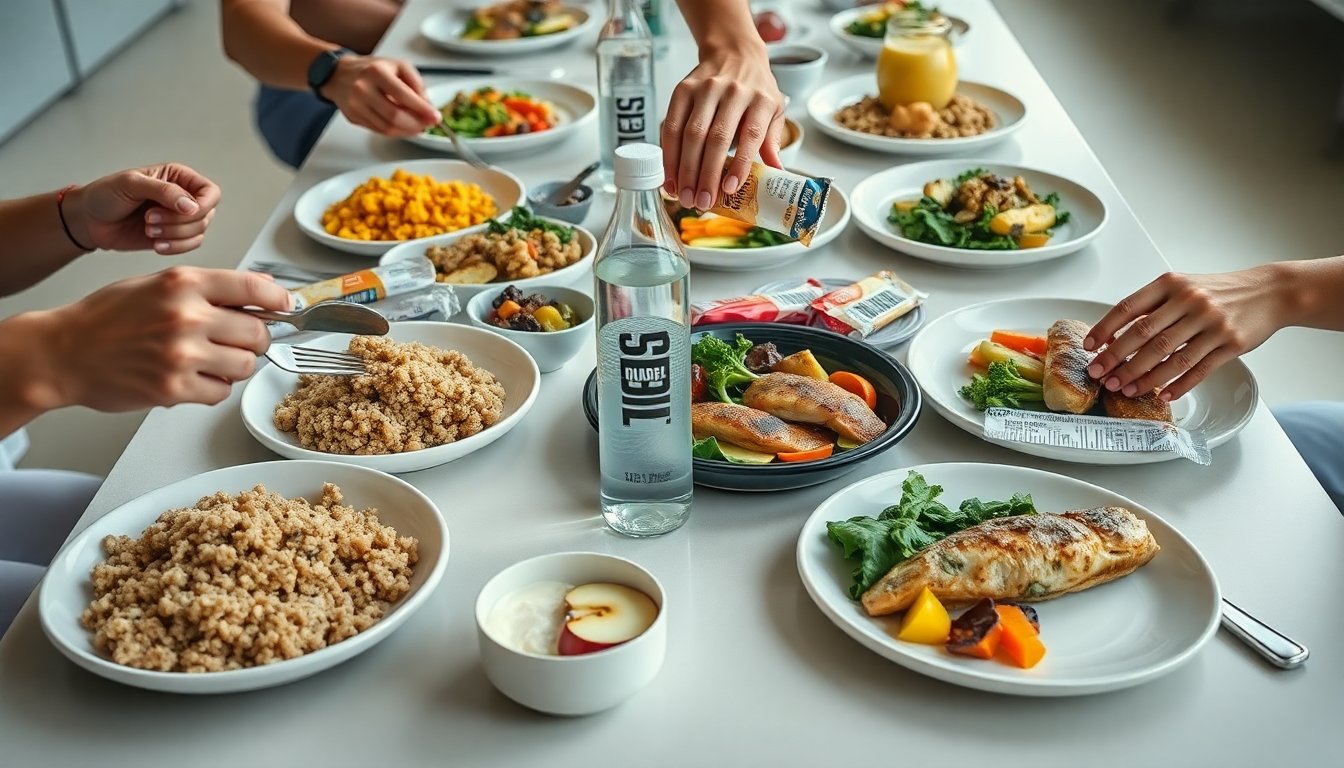
Life inside an Olympic village is as much about menus as it is about meters and minutes. Meals are treated like gear: scheduled, customized and tested to support peak performance. Coaches and sports dietitians collaborate closely to align food with training loads—balancing calories, carbs and protein to fuel sessions, speed recovery and help athletes cope with altitude, cold and travel. Rather than three big meals, many teams prefer several smaller plates and portable snacks to keep energy steady and readiness high.
Before and during training: small moves with big effects
A well-timed bite can change how a session feels. Teams often opt for quick-release carbohydrates 30–60 minutes before activity—think bananas, rice cakes or a compact energy bar—to prevent mid-workout slumps. Pairing 5–10 g of protein with those carbs can reduce perceived effort during longer efforts. For sessions longer than about 90 minutes, top-ups of carbohydrate every 45–60 minutes are helpful, and fluids with electrolytes become essential when sweat losses are high.
Operationally, the simplest interventions are often the most effective: pre-portioning snacks saves kitchen time, cuts waste and makes sure athletes actually eat what staff intend. Small changes in preparation translate to smoother practice blocks and fewer on-the-day nutritional hiccups.
Quick reference numbers
– 20–40 g of carbohydrates 30–60 minutes before exercise often boosts performance in trials. – 5–10 g of protein alongside carbs can lower perceived effort during prolonged sessions. – Keeping body-mass loss to 1–2% from dehydration preserves power output. – Small pre-workout snacks of roughly 150–250 calories are linked to steadier short-duration power.
How to space meals and snacks
Predictable intake windows—roughly every three to four hours—help athletes stay fueled. Aim for about 20–30 g of protein per eating occasion to support muscle protein synthesis. When training schedules are dense (two-a-day workouts, travel days or altitude camps), several modest meals are generally better than a few large ones. Team kitchens that pre-portion snacks and lay out ready hydration options reduce variability in what athletes consume, which improves attendance, intensity and recovery consistency.
After training: prioritize carbs plus protein
The minutes after a session are a prime opportunity. A combo of carbohydrates and 15–30 g of protein helps refill glycogen and kick-start repair. Ready-to-drink shakes, smoothies and mixed recovery formulas are popular because they’re fast, controllable and easy to hand out across a squad. The ideal carbohydrate-to-protein balance depends on the session: endurance work leans toward more carbs; strength sessions skew heavier on protein.
Functional foods as targeted supports
Beyond carbs and protein, concentrated plant-based products—beetroot juice, tart cherry or blueberry concentrates—are routinely trialed for their nitrate and polyphenol content. Research points to modest improvements in inflammation markers and perceived soreness when these are used around heavy or repeated sessions. Teams view them as useful adjuncts, not substitutes for solid macro strategies.
Micronutrients under stress
In cold or high-altitude environments, micronutrients matter more than usual. Iron, vitamin B12 and folate support oxygen transport and metabolic resilience; small drops in iron stores can reduce VO2 max and shorten time-to-exhaustion. Many programs therefore include objective screening and targeted repletion, coupled with diet tweaks that enhance absorption.
Smart food pairings that help
How foods are combined changes what the body can use. Non-heme (plant) iron becomes much more absorbable when paired with vitamin C—spinach or lentils dressed with lemon, or beans served alongside peppers, for example. Adding roughly 50 mg of vitamin C to a plant-based meal can markedly increase iron uptake in controlled settings. Encouraging colorful plates also brings a wider array of phytonutrients and antioxidants that support recovery and immune health.
What suppliers and kitchens should know
Procurement trends are shifting toward shelf-stable, pre-portioned, ready-to-eat formats that travel well and slot into tight schedules. Suppliers are responding with portable carb sources, measured protein snacks and concentrated botanical formats. From an operations standpoint, standardizing snack provision reduces kitchen labor, limits waste and keeps athletes fed on time—outcomes that matter to program managers and investors alike.
Before and during training: small moves with big effects
A well-timed bite can change how a session feels. Teams often opt for quick-release carbohydrates 30–60 minutes before activity—think bananas, rice cakes or a compact energy bar—to prevent mid-workout slumps. Pairing 5–10 g of protein with those carbs can reduce perceived effort during longer efforts. For sessions longer than about 90 minutes, top-ups of carbohydrate every 45–60 minutes are helpful, and fluids with electrolytes become essential when sweat losses are high.0