
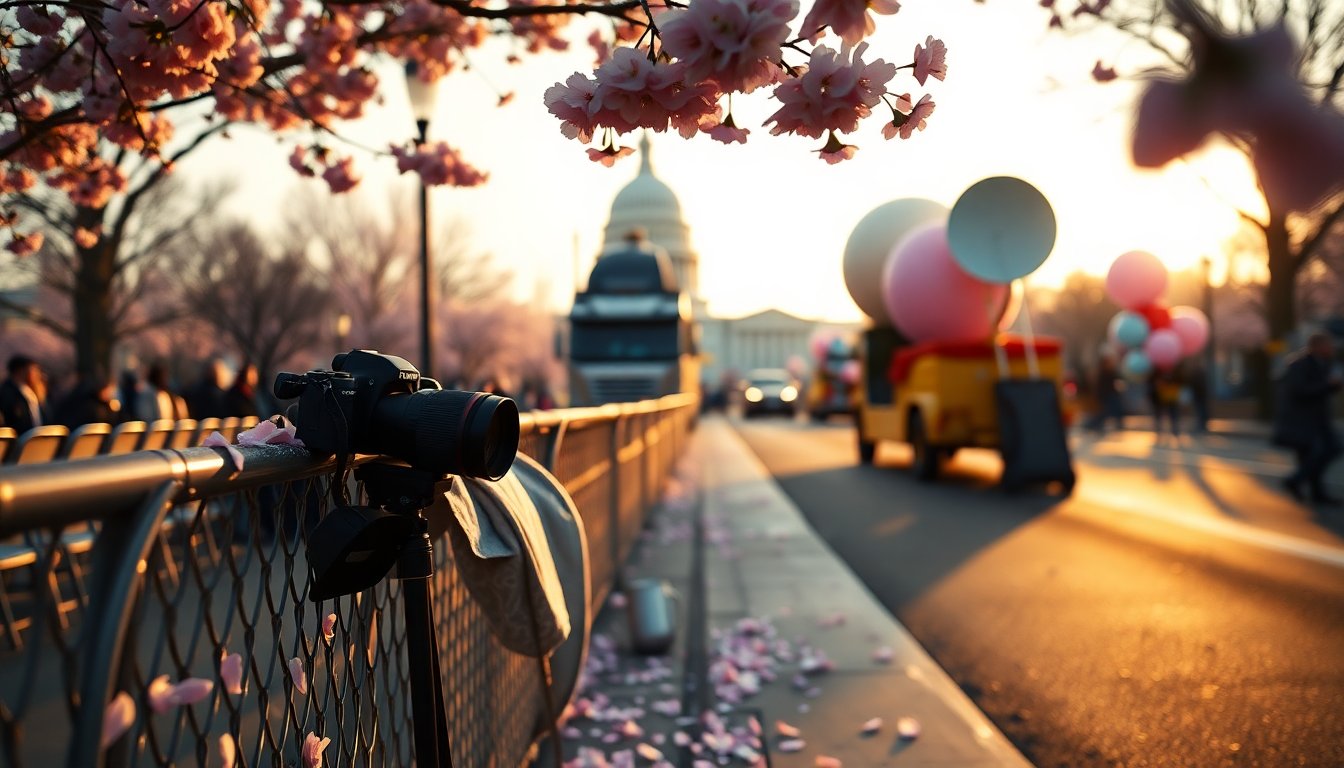
The spring crescendo in Washington, DC culminates with the National Cherry Blossom Parade, a lively procession that signals the close of the National Cherry Blossom Festival. On April 11, 2026, Constitution Avenue becomes a stage for marching bands, colorful floats, giant balloons, and cultural performers while thousands of spectators line the route and many more watch via broadcast and streaming. Whether you are a first-time visitor or a local returning for the tradition, this guide explains the parade experience, recommended viewpoints, and the logistical details you need to know to enjoy the day with minimum stress.
The parade is both a celebration of seasonal beauty and a nod to history. The blossoms themselves trace back to a diplomatic gift from Japan in 1912 and now anchor weeks of performances, exhibitions, and community events across the city. The parade typically closes the festival’s final weekend, offering easy access to nearby landmarks like the National Mall, the Washington Monument, and the Tidal Basin—making it simple to combine parade-watching with museum visits or waterfront walks.
What the parade is and when to go
The National Cherry Blossom Parade is a large-scale public procession featuring bands, community floats, and cultural acts that weave through the heart of the capital along Constitution Avenue. The event begins in the late morning and runs about two hours, creating a festive, family-friendly atmosphere. For the 2026 festival, the parade is scheduled for April 11, 2026. Arriving early secures better sightlines because crowds form well before the first marchers appear. If you prefer guaranteed seating, look for official grandstand tickets, but remember that many stretches of the route are free to the public.
Route, viewing locations, and festival tie-ins
The parade route centers on Constitution Avenue, generally between 7th Street NW and 17th Street NW, placing spectators within walking distance of iconic sites. Popular free viewing spots include open sections of Constitution Avenue near the National Mall and side streets around 9th Street NW. Families often prefer the wider open areas closer to museum lawns where it’s easier to step away for snacks or restroom breaks. If you want a more curated experience, reserve grandstand seating positioned along the central portion of the route for a clear, elevated perspective.
Grandstand seats and family-friendly zones
Grandstand seating offers guaranteed views and is typically sited in the parade’s central zone; tickets may be limited and sell out in advance. For families, recommended free areas include stretches of Constitution Avenue with nearby museum access—particularly helpful for breaks or shelter from changing weather. The parade’s mix of bands, floats, and cultural performances makes it suitable for all ages, and many visitors pair parade time with a leisurely walk around the Tidal Basin to see the blossoms up close.
Transportation, road closures, and safety
Because the parade occurs in the downtown core, expect heavy pedestrian traffic, road closures, and limited parking. On March 29, 2026, the Metropolitan Police Department issued a traffic advisory detailing Emergency No Parking postings and street closures for Saturday, April 11, 2026. The advisory notes that many streets near the parade corridor will be posted as Emergency No Parking from 3:00 a.m. to 5:00 p.m., and vehicle closures along sections of Constitution Avenue, Jefferson Drive, and Madison Drive will be in effect approximately during the same hours. If you drive, plan for those restrictions; most attendees rely on the Metro, buses, scooters, or rideshare services to avoid parking headaches.
Parking, timing, and safety tips
Understand that Emergency No Parking means vehicles left in posted zones may be ticketed or towed, so check local signage and official MPD announcements before you arrive. Arrive by public transit where possible, give yourself extra time to walk from Metro stops to viewing locations, and carry water and layers—spring weather can shift quickly. Officials recommend identifying a clear meeting spot if you attend in a group and keeping an eye on children in crowded areas.
Make the most of the festival weekend
The parade is just one highlight of a multiweek celebration: waterfront paths around the Tidal Basin showcase the blossoms, Smithsonian museums remain open for free cultural stops, and pop-up performances and street festivals often accompany the finale. If you want a quieter cherry blossom moment, seek sunrise or weekday visits around the Tidal Basin. For parade day, balance your itinerary so you can enjoy the procession and still visit nearby attractions without rushing—this is a day designed to combine spectacle, history, and the simple pleasure of spring in the capital.
For final, up-to-date details on closures, ticketing, and official festival programming, consult the National Cherry Blossom Festival website and local government advisories before you go. With a little planning—knowing the route, transport options, and safety notices—you can make April 11, 2026 a memorable chapter in Washington’s long-running cherry blossom tradition.


