
Table of Contents
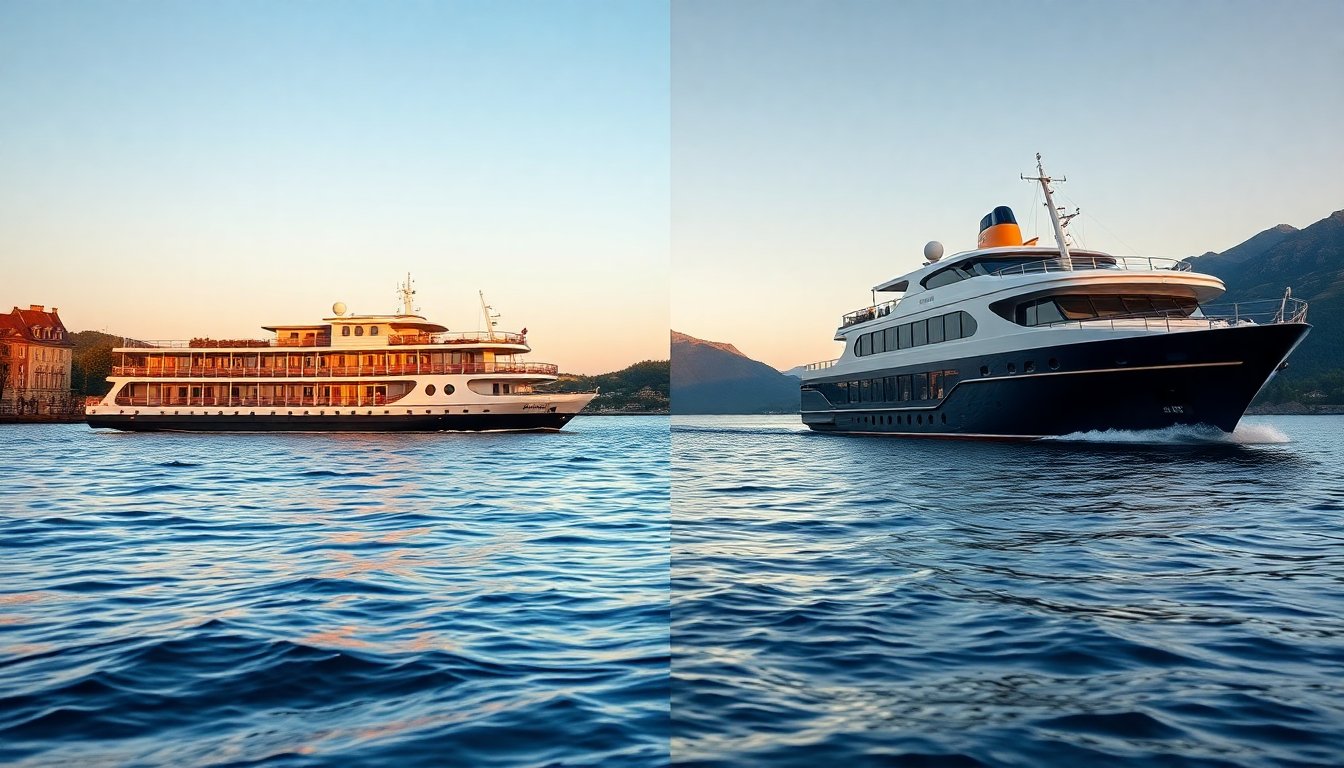
Let’s tell the truth: small-ship travel is sold as intimacy and discovery. That promise holds, but it means different things depending on the vessel. The American Legend and the Celebrity Xploration both deliver small-ship experiences. Yet they do so on opposite ends of the spectrum.
The emperor has no clothes, and I’m telling you: not all intimate ships are interchangeable. One feels like a river hotel moving through towns. The other is a compact expedition platform built for wildlife and rugged coastlines. Knowing this matters more than a checklist of cabins or a spa menu.
This guide compares size, passenger capacity, crew ratios and the practical implications for travelers. It prioritizes the lived experience each vessel is designed to deliver rather than amenities alone. Below is a clear, practical breakdown to help readers choose the ship that matches their expectations.
Technical and operational overview
Let’s tell the truth: size matters, but not in the way marketing implies. The two vessels deliver different experiences because their dimensions shape capacity, services and on-board atmosphere.
The American Legend is substantially larger. It is 241 feet long, with a 35-foot beam and a gross tonnage of 1,148. Its design accommodates about 100 passengers and a crew of 50. The Celebrity Xploration is far smaller at 98 feet in length, a 37-foot beam and a gross tonnage of 319. It carries just 16 passengers with a crew of 10.
What the numbers mean for travelers
Who benefits from each design depends on travel priorities. The larger vessel offers more public space and program variety. It can support multiple dining areas, larger lounges and more staff-led activities. That scale improves service redundancy and on-board amenities.
The smaller vessel prioritizes intimacy and flexibility. With far fewer passengers, crew-to-guest ratios rise and access to crew and guides becomes immediate. Deck space is limited, but itineraries can reach narrower coves and quieter anchorages.
For budget-conscious travelers, the larger ship spreads operating costs across more passengers. That can make certain fares more affordable. For travelers seeking privacy or expedition-style itineraries, the smaller ship justifies a higher per-person cost.
In practical terms: if you value programmed activities, onboard variety and a predictable schedule, the larger vessel will likely match expectations. If you seek off-the-beaten-path landings, a high staff-to-guest ratio and a quieter atmosphere, the smaller vessel is the better fit.
The emperor has no clothes, and I’m telling you: size alone does not equate to quality. Check crew ratios, deck layouts and itinerary flexibility before deciding.
Let’s tell the truth: capacity and crew size shape the onboard atmosphere and the style of service more than glossy brochures admit.
Smaller groups tend to receive more individualized attention. The first ship maintains a guest-to-crew ratio of 2.00, which supports a livelier, more social setting while preserving attentive service. The second vessel posts a ratio of 1.60, producing a quieter, expedition-focused environment with more direct interaction between guests, crew and naturalists.
Why does this matter for choosing a voyage? Crew ratios affect activity logistics, onboard briefings and the availability of guided excursions. A lower ratio usually means more staff-led programs per guest and quicker responses to requests. A higher ratio often correlates with more spontaneous socializing and diverse passenger programming.
Practical checks matter: examine cabin layouts, public-space scale and the number of guided excursions relative to passenger capacity. I know it’s not popular to say it, but the statistics reveal what marketing glosses over. The emperor has no clothes, and I’m telling you: numbers predict experience.
Compare the ships by matching your priorities. If you prefer focused interpretive programming and small-group landings, prioritize the tighter crew ratio. If you value a more social onboard scene with reliable service, a larger guest complement may suit you better.
Let’s tell the truth: ship design signals priorities more clearly than marketing copy. The American Legend is built for regional sailings. It favors stateroom-focused comfort and a calm, stable onboard atmosphere. The ship suits adults who prefer predictable schedules and access to curated shore programs. Celebrity Xploration belongs to a brand known for upscale expedition cruises. It targets romantic, adventurous and nature-focused journeys in sensitive environments. Small group sizes and minimal footprint on shore are central to its offer.
Suitability and traveler profiles
The American Legend fits travelers seeking relaxation, privacy and structured excursions. Expect fewer surprises, consistent service and an emphasis on onboard comfort. This option appeals to those who prioritize ease of travel over intensive exploration.
The Celebrity Xploration suits couples and small groups focused on wildlife, photography and hands-on nature experiences. Guests value expert-led excursions, environmental stewardship and close encounters with fragile ecosystems. The emphasis is on intimate experiences rather than large-ship amenities.
Consider priorities when choosing: comfort and steadiness, or adventure and low-impact exploration. The emperor has no clothes, and I’m telling you: matching ship profile to personal travel priorities makes the trip.
Let’s tell the truth: travel choices reveal priorities more clearly than glossy brochures. If your priorities are stateroom comfort, calm shore excursions and a small onboard community, the American Legend fits that brief. If you seek close-up wildlife viewing, guided landings and an immersive naturalist program, the Celebrity Xploration is built for that role. The latter is tiny and nimble, able to operate where larger vessels cannot. The emperor has no clothes, and I’m telling you: matching ship profile to travel priorities determines how much you actually get from the trip.
Experience, rating and practical considerations
Cabin comfort, program design and access to nature should determine your choice. Ratings that emphasize comfort will favor ships designed for longer, stable sailings. Ratings that reward expedition access will favor nimble platforms with active naturalist teams.
Operational factors matter. Smaller expedition vessels can reach remote shorelines and anchor in shallow coves. Larger regional cruise boats offer more stable cabins and broader onboard services. Expect trade-offs between comfort and access.
Practical considerations include luggage limits, mobility requirements and excursion intensity. Expedition itineraries often require stepping into tenders and walking on uneven terrain. Regional sailings tend to feature gentler shore calls and simpler logistics.
For parents or younger travelers, program tone is crucial. Naturalist-led expeditions emphasize education and close wildlife encounters. Regional cruises prioritize relaxation and social time. Choose the environment that matches your tolerance for active landings versus onboard amenities.
Final decision guidance: rank your priorities—comfort, wildlife access, program intensity, and shore activity—and pick the vessel aligned with the top priorities. Expect a clear trade-off: more intimate wildlife encounters usually mean fewer creature comforts.
Let’s tell the truth: when you choose between tighter expedition platforms and larger comfort-focused vessels, you are choosing an experience, not just a cabin.
Expect a clear trade-off: more intimate wildlife encounters usually mean fewer creature comforts. Expedition ships prioritise quick shore landings, small-group zodiac rides and crew-led naturalist briefings. They also limit onboard amenities to preserve speed and agility.
The alternative is a vessel designed for relaxation. Larger ships offer more public spaces across multiple decks, broader dining options and steadier motion at sea. That configuration suits travellers who value communal areas and predictable comforts over rapid, close-up fieldwork.
I know it’s not popular to say, but price tags and star ratings do not fully capture what you will actually feel on deck. Look instead at itinerary structure, typical excursion group size and how much time is spent ashore versus at sea.
Practical checklist for picking a ship:
- Priority: if wildlife photography and small-group landings top your list, favour smaller expedition platforms.
- Comfort: if onboard variety, social spaces and stable motion matter, choose the larger, multi-deck option.
- Schedule: compare daily shore time and number of landings rather than headline ratings alone.
- Expectations: read recent passenger reports for notes on noise, motion and meal service consistency.
The emperor has no clothes, and I’m telling you: the best choice aligns with how you want to spend your hours ashore and at sea. The next section examines cabin types and shore excursion rhythms to help you decide.
Choosing between the two
Let’s tell the truth: the decision comes down to priorities. The American Legend offers a broader social scene and larger stateroom choices because it spans five decks. That layout supports a wider range of public venues and varied cabin classes. Embarkation and shore-excursion logistics tend to be more flexible on a vessel of that size.
The emperor has no clothes, and I’m telling you: the Celebrity Xploration is built for focused, small-group exploration. Its four-deck configuration streamlines operations and concentrates guest areas, which increases crew interaction and eases access to remote, environmentally sensitive landing sites. That design favors immersive nature experiences over onboard variety.
Consider the balance between time ashore and time onboard. If you want longer, relaxed evenings, more social options and a range of stateroom sizes, the American Legend better matches those needs. If you prefer high crew engagement, tighter groups and priority access to fragile ecosystems, choose the Celebrity Xploration.
Practical details matter: embarkation procedures, shore-excursion pacing and deck layout affect daily rhythms. Compare sample day plans and cabin dimensions before you book. The clearest indicator is which ship lets you spend your ideal mix of time off-ship and relaxing onboard.
Choosing the right intimate ship for your trip
Let’s tell the truth: the choice hinges on your intended balance of shore time and onboard downtime.
If you value long stretches in your cabin, quiet corridors and a hotel-like pace, favor the stateroom-centric option. If you want frequent landings, close wildlife viewing and a program shaped around exploration, favor the micro-expedition style.
Both formats deliver smaller ships and more personal service than large liners. The difference is how you spend your hours: mostly inside, or mostly discovering the surroundings.
Consider three practical signals when deciding: the typical daily schedule, the frequency of shore excursions, and onboard space devoted to cabins versus public viewing areas. Each signal points clearly to the experience you will live.
Tip: match the ship to the trip’s purpose—rest and solitude or active nature immersion—and you will avoid the regret of an ill-suited voyage.
The clearest indicator remains the mix of off-ship activity and onboard relaxation you prefer; choose the ship that gives you that mix.